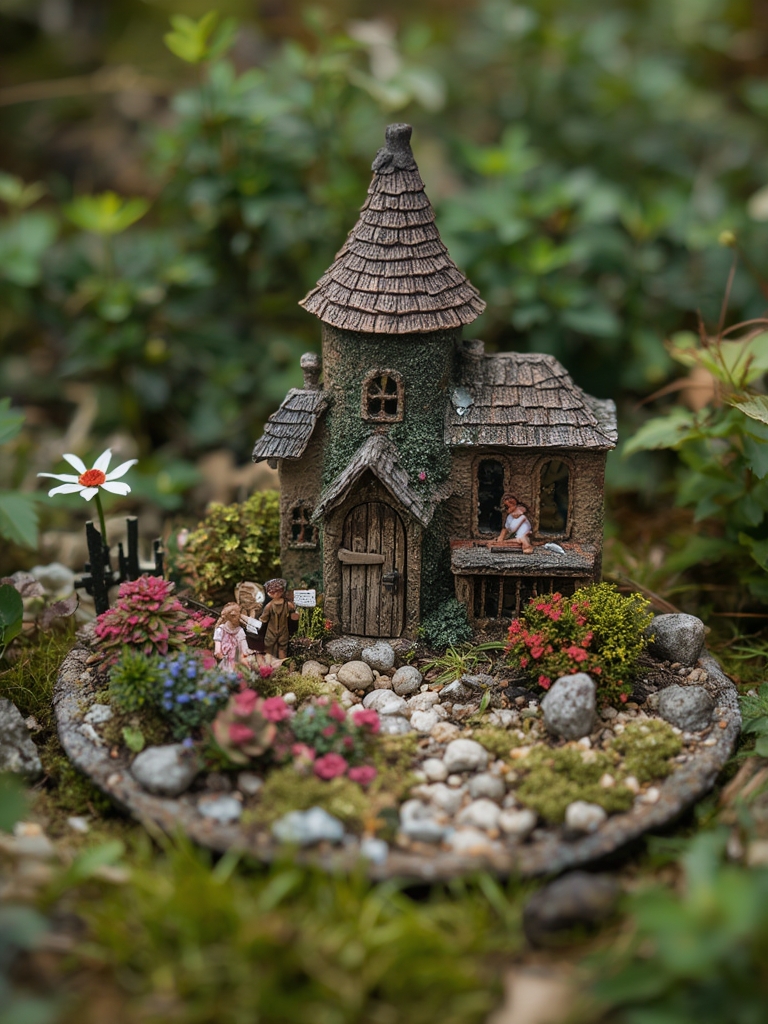
Have you ever dreamed of creating a miniature world of wonder right in your own backyard? Fairy garden miniatures offer a delightful escape into a realm of imagination and creativity. These enchanting, tiny landscapes allow gardeners of all skill levels to craft magical sanctuaries that bring joy year-round.
Whether you’re looking for a fun project with children or seeking to add whimsical charm to your outdoor space, miniature fairy gardens combine the therapeutic benefits of gardening with the creative expression of miniature design. Let’s discover how to create your very own pocket-sized paradise!
Table of Contents
Enchanting Fairy Garden Miniatures: Build a Magical Outdoor Sanctuary
Materials & Supplies

To create your magical fairy garden, you’ll need:
- Container or designated garden area (terra cotta pots, wooden boxes, old wheelbarrows, or a secluded spot in your garden)
- Quality potting soil or garden soil mixed with compost
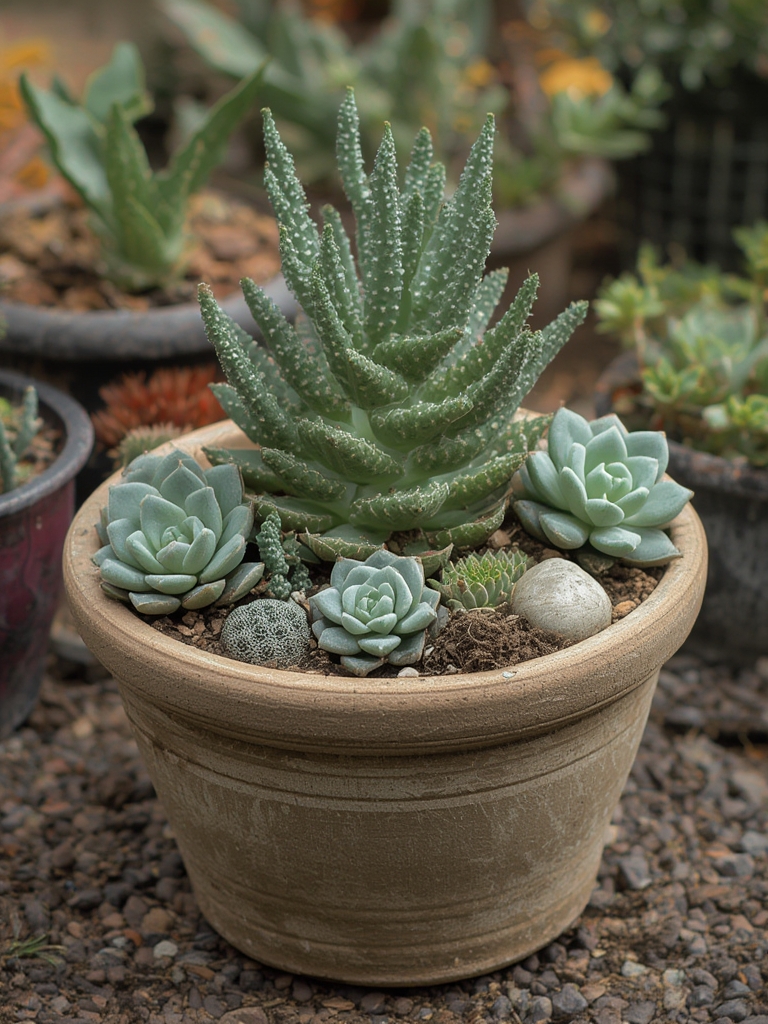
- Small plants (moss, succulents, miniature ferns, baby’s tears, wooly thyme)
- Decorative stones, pebbles, and small gravel for pathways
- miniature fairy garden, fairy garden accessories, DIY fairy house, miniature garden decor, whimsical garden ideas (fairy figurines, tiny houses, miniature furniture)
- Natural elements (twigs, bark, acorns, pinecones)
- Small gardening tools (spoon, tweezers, spray bottle)
- Moss or sheet moss for ground cover
- Optional: miniature string lights for evening ambiance
Timing / Growing Schedule
Creating a fairy garden is a year-round activity with seasonal considerations:
- Spring/Summer: Ideal for outdoor fairy gardens with living plants (2-3 hours setup, ongoing maintenance)
- Fall/Winter: Perfect for indoor setups or planning next year’s garden
- Plant establishment: 2-3 weeks for plants to settle in
- Garden lifespan: With proper care, fairy gardens can last for years, with seasonal refreshes taking only 30-60 minutes
Step-by-Step Instructions
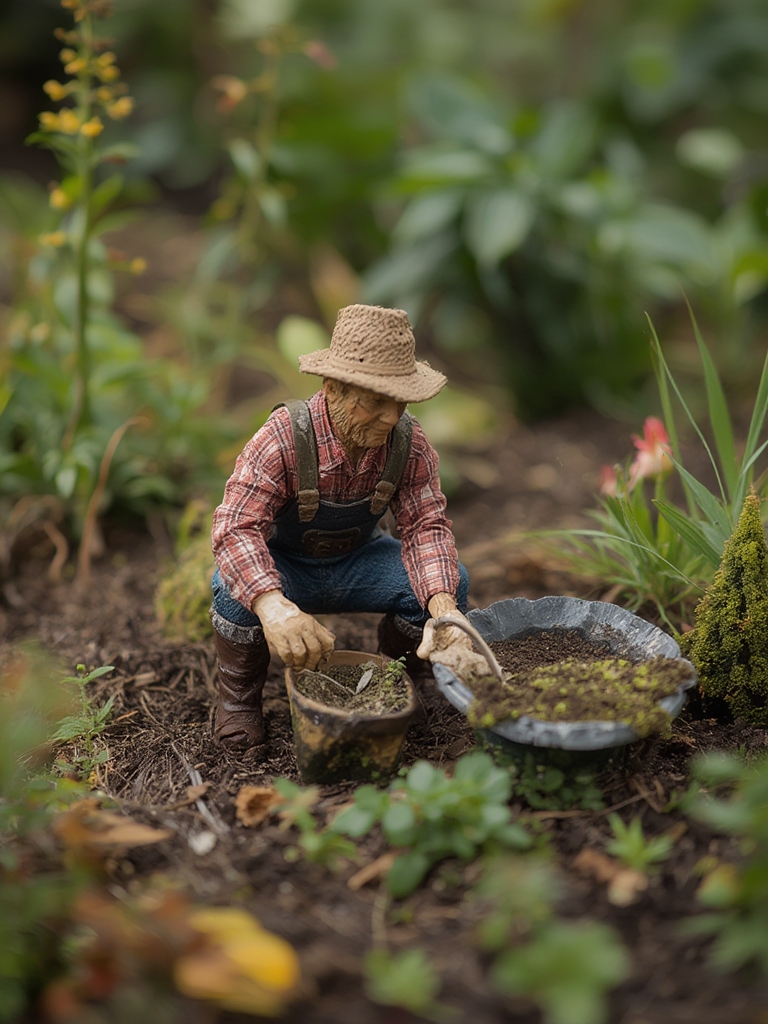
Choose your location: Select a spot with appropriate light conditions for your chosen plants. Most miniature gardens thrive in partial shade.
Prepare your container: Ensure proper drainage by adding holes if needed and a layer of gravel at the bottom. For in-ground gardens, clear the area of weeds and loosen soil.
Add soil: Fill your container with quality potting mix, leaving room at the top for accessories and creating contours for visual interest.
Plan your layout: Before planting, arrange your fairy garden accessories to visualize the final design. Create “zones” like a fairy village, woodland area, or garden space.
Add plants: Start with the largest plants first as focal points, then add smaller varieties. Consider scale – plants should appear as “trees” and “shrubs” to your fairy residents.
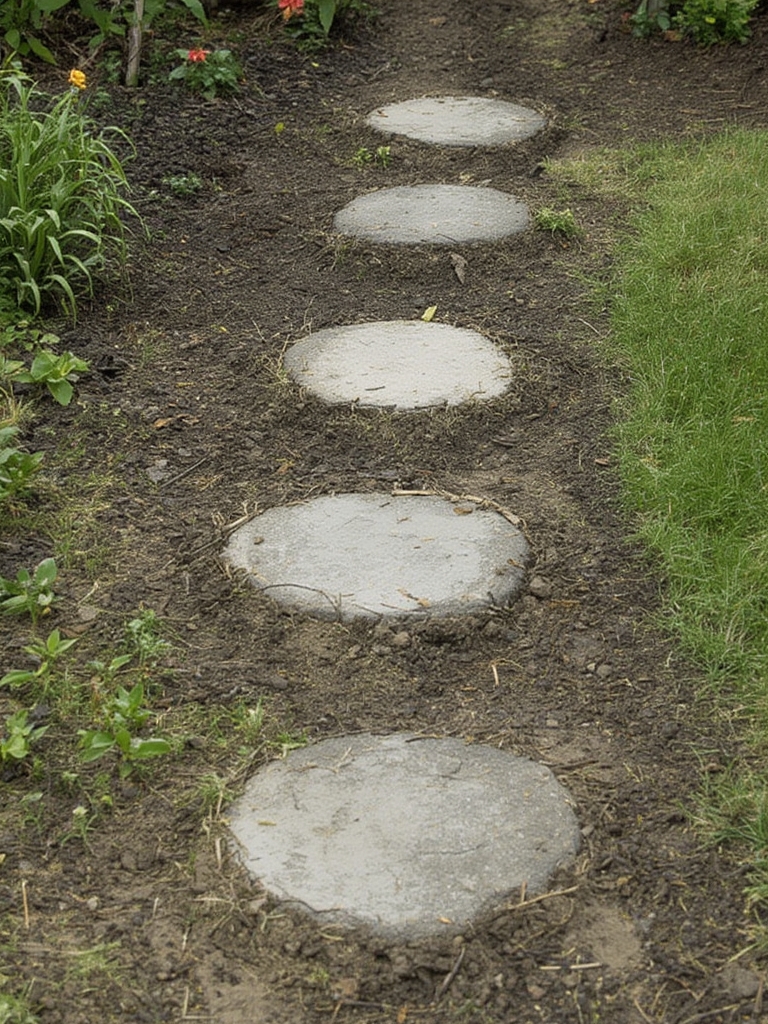
Create pathways and features: Use pebbles to make winding paths, small mirrors for “ponds,” and twigs for bridges or fences
Position accessories: Place your fairy houses, figurines, and furniture in meaningful arrangements that tell a story.
Add final touches: Sprinkle moss between plants for a lush carpet effect, and add tiny decorative elements like miniature mushrooms or acorn caps as fairy “tables.”
Advantages of Creating Fairy Gardens
Creating fairy gardens offers numerous benefits including stress reduction, improving fine motor skills, encouraging outdoor time for children, and providing a creative outlet for personal expression. They also attract beneficial wildlife like butterflies and can serve as conversation starters when entertaining guests.
Tips and Alternative Methods
- Seasonal themes: Create holiday-themed fairy gardens for Christmas, Halloween, or spring celebrations.
- Container alternatives: Repurpose broken pots into “fairy ruins” or use tree stumps as natural fairy homes.
- Indoor fairy gardens: Use terrarium containers for year-round enjoyment, especially in harsh climates.
- Budget-friendly options: Create DIY fairy houses from natural materials like bark, stones, and twigs.
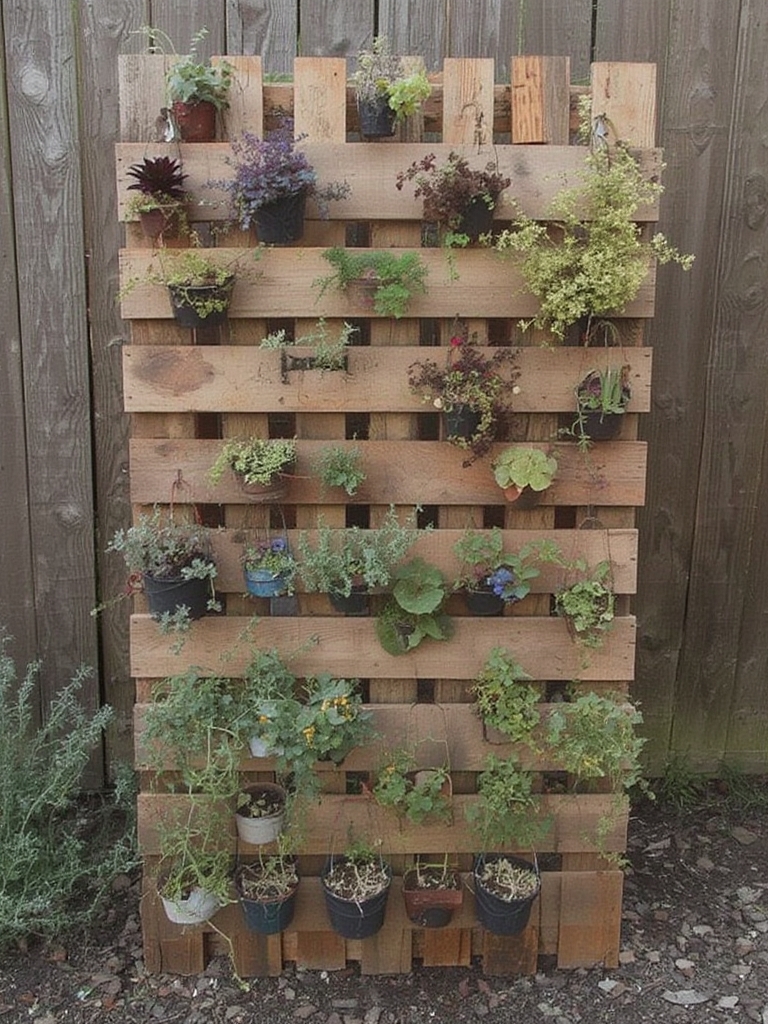
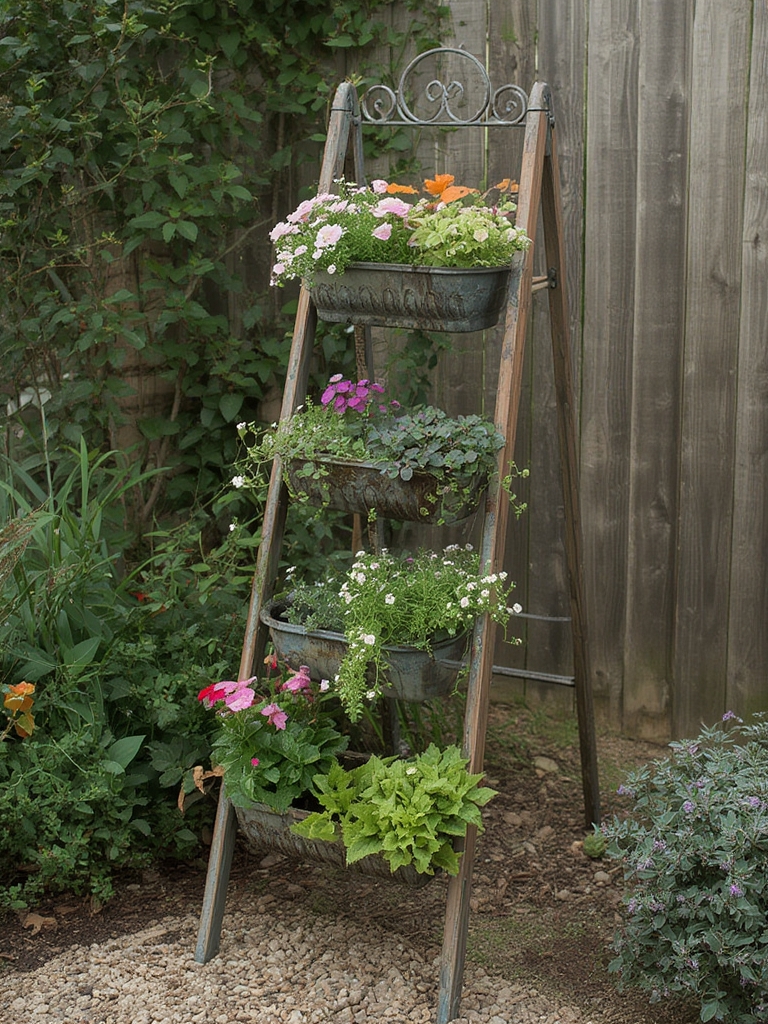
- Vertical elements: Incorporate height with miniature trellises or tiny ladders leading to elevated fairy homes.
Common Mistakes to Avoid
- Overcrowding: Less is more—give your miniature scene room to “breathe”
- Ignoring plant needs: Choose plants with similar water and light requirements
- Poor scale consistency: Keep proportions realistic within your miniature world
- Inadequate drainage: Fairy gardens with soggy soil lead to rotting plants and decorations
- Using materials that won’t weather well: Select outdoor-rated items for gardens exposed to elements
Maintenance Tips
- Water carefully using a spray bottle to avoid disrupting your miniature landscape
- Trim plants regularly to maintain scale and prevent overgrowth
- Replace seasonal decorations to keep your fairy garden fresh and exciting
- Apply diluted fertilizer monthly during growing season
- Protect outdoor fairy gardens from severe weather by moving portable containers to sheltered locations
Conclusion
Creating fairy garden miniatures allows you to connect with nature in a uniquely creative way. These magical miniature worlds bring endless joy through seasonal changes and continuous evolution. Whether you’re crafting with children or creating your own personal retreat, fairy gardens offer an accessible way to bring enchantment into everyday life. We’d love to see your magical creations—share photos in the comments below!
FAQs
How often should I water my fairy garden?
Check soil moisture weekly. Most fairy gardens need watering when the top inch of soil feels dry to the touch.
Can fairy gardens survive winter outdoors?
In harsh climates, it’s best to bring container fairy gardens indoors or create a separate indoor version for winter enjoyment.
What’s the best way to introduce children to fairy gardening?
Start with sturdy accessories, child-safe plants, and encourage them to create their own fairy stories to bring the garden to life.
How can I keep my fairy garden looking fresh?
Rotate accessories seasonally, trim plants regularly, and add unexpected elements occasionally to create new points of interest.