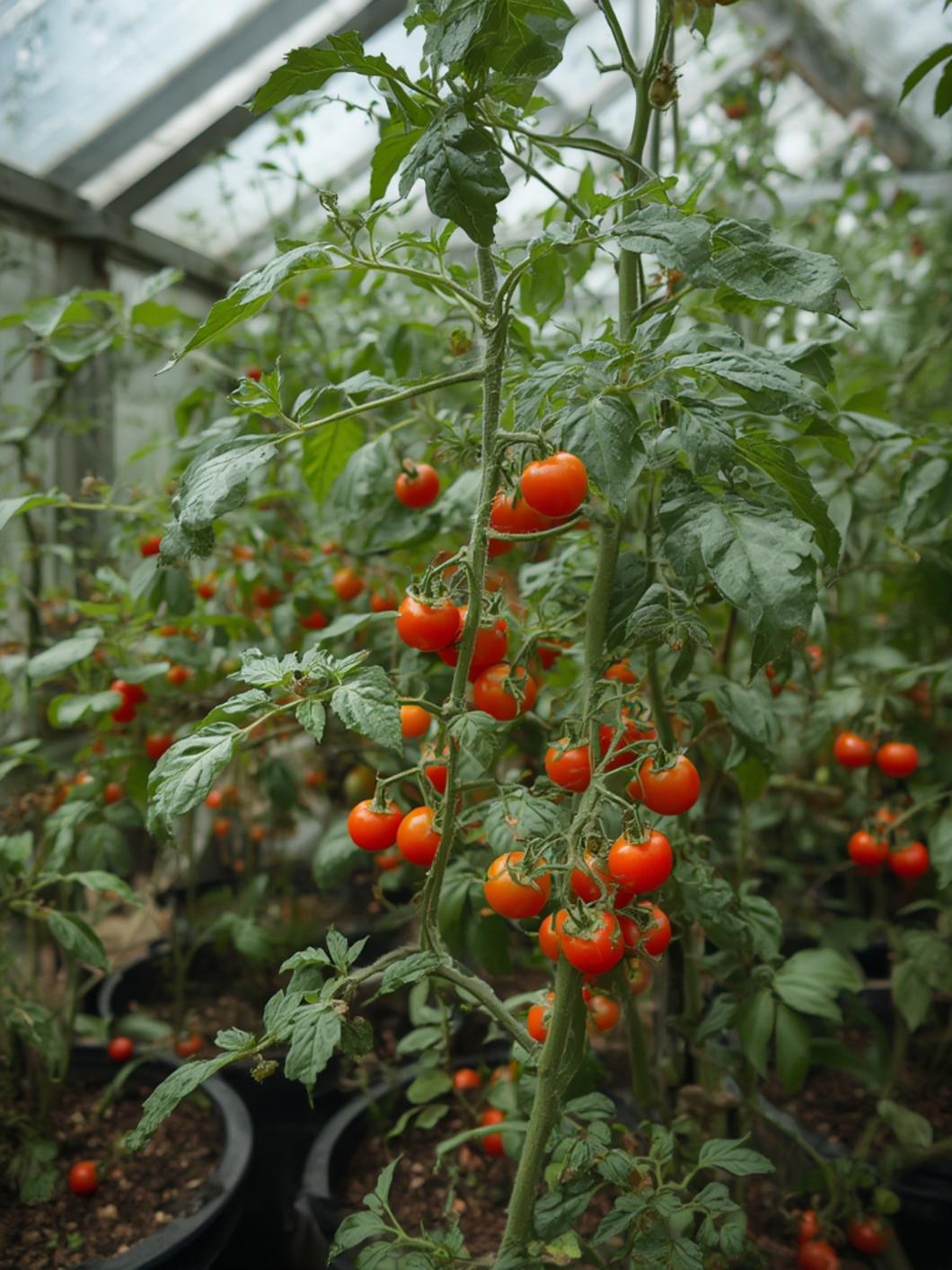
Have you ever bitten into a sun-warmed cherry tomato, freshly picked from your own garden? There’s something magical about growing your own food, especially when it comes to versatile, productive cherry tomato plants. Whether you’re a seasoned gardener or a complete novice,
Table of Contents
How to Grow Delicious Cherry Tomato Plants: Complete Guide for Beginners
starting with high-quality cherry tomato seeds can provide you with months of sweet, juicy harvests. Growing cherry tomatoes at home not only saves money but also ensures you’re enjoying the freshest, most flavorful produce possible without any unwanted chemicals or pesticides.
Materials & Supplies
To successfully grow cherry tomatoes, you’ll need:
- Cherry tomato seeds or seedlings
- Seed-starting trays (if starting from seed)
- Seed-starting mix or potting soil
- 5-gallon containers or garden space
- Tomato cages or stakes for support
- Organic fertilizer (tomato-specific if possible)
- Watering can or hose with gentle spray
- Pruning shears
- Mulch (straw, wood chips, or compost)
- Calcium supplement (optional, prevents blossom end rot)
- Organic pest control solutions
Timing / Growing Schedule
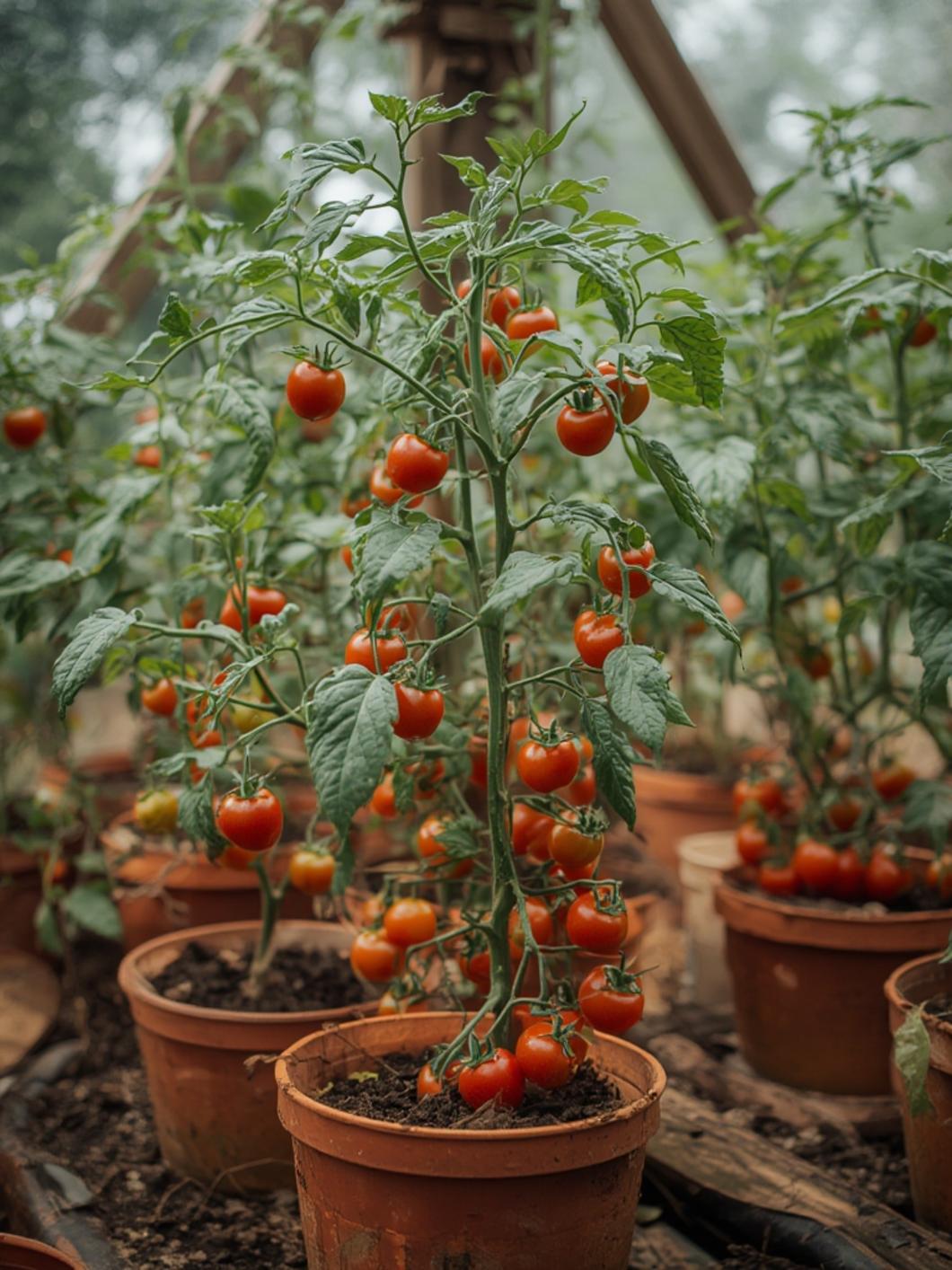
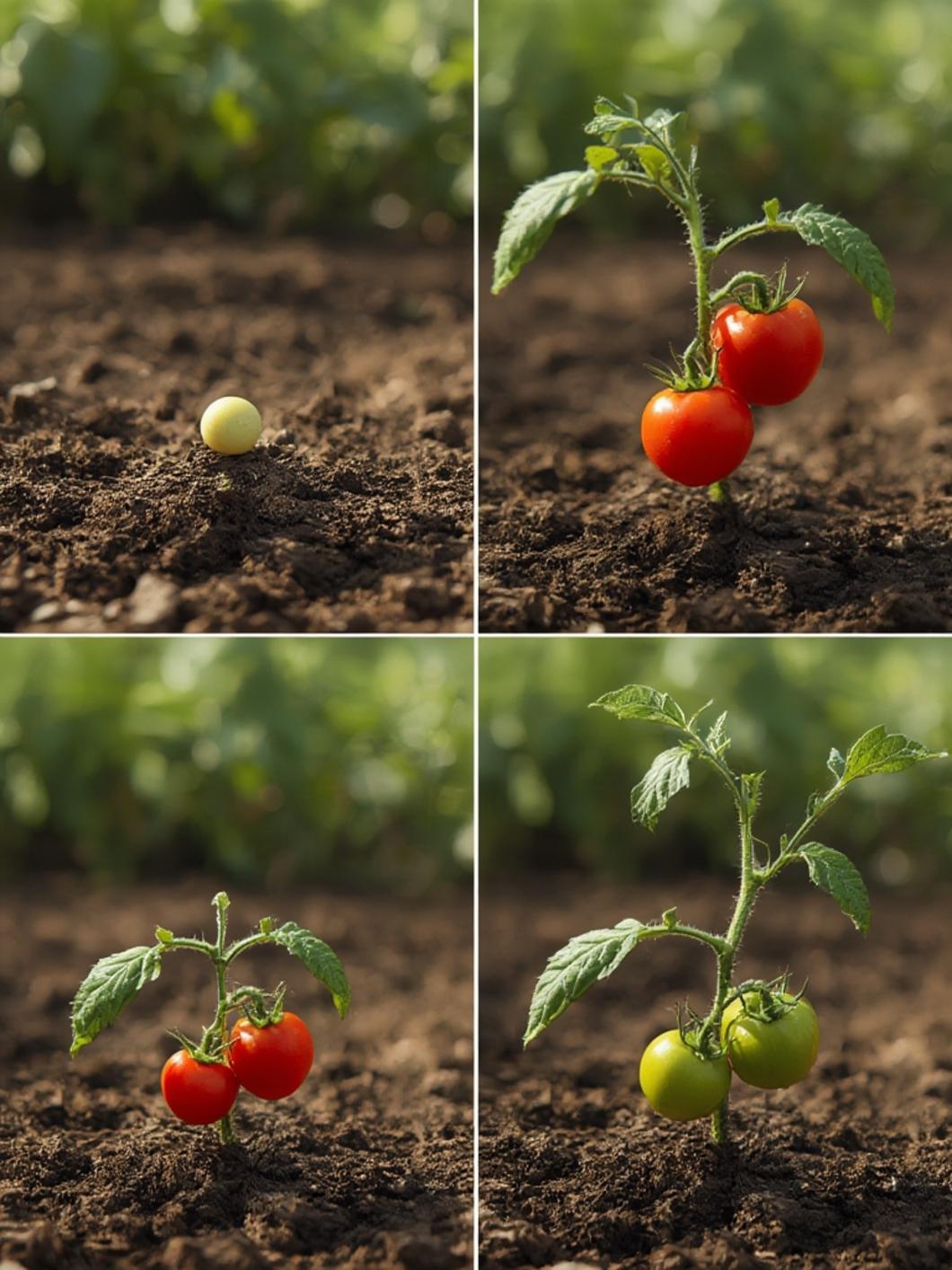
Cherry tomatoes follow a predictable growth timeline:
- Seed starting: 6-8 weeks before your last frost date
- Seedling growth: 4-6 weeks indoors
- Transplanting outdoors: After all danger of frost has passed
- First flowers: Approximately 30 days after transplanting
- First harvest: 65-85 days from transplanting, depending on variety
- Production period: Continuous harvesting for 3-5 months until first frost
Most cherry tomato varieties will start producing earlier than their larger counterparts, giving you a longer harvest window throughout the growing season.
Step-by-Step Instructions
1. Start seeds indoors: Plant cherry tomato seeds ¼ inch deep in seed-starting mix. Pro tip: Use a pencil to make uniform holes for consistent germination.
2. Provide proper lighting: Place seedlings in a south-facing window or under grow lights for 14-16 hours daily. Position lights just 2-3 inches above seedlings to prevent legginess.
3. Transplant to larger containers: Once seedlings develop their first true leaves, move them to 4-inch pots. Bury stems deeper than they were growing previously to encourage stronger root development.
4. Harden off seedlings: One week before transplanting, gradually introduce seedlings to outdoor conditions for increasing periods each day to prevent transplant shock.
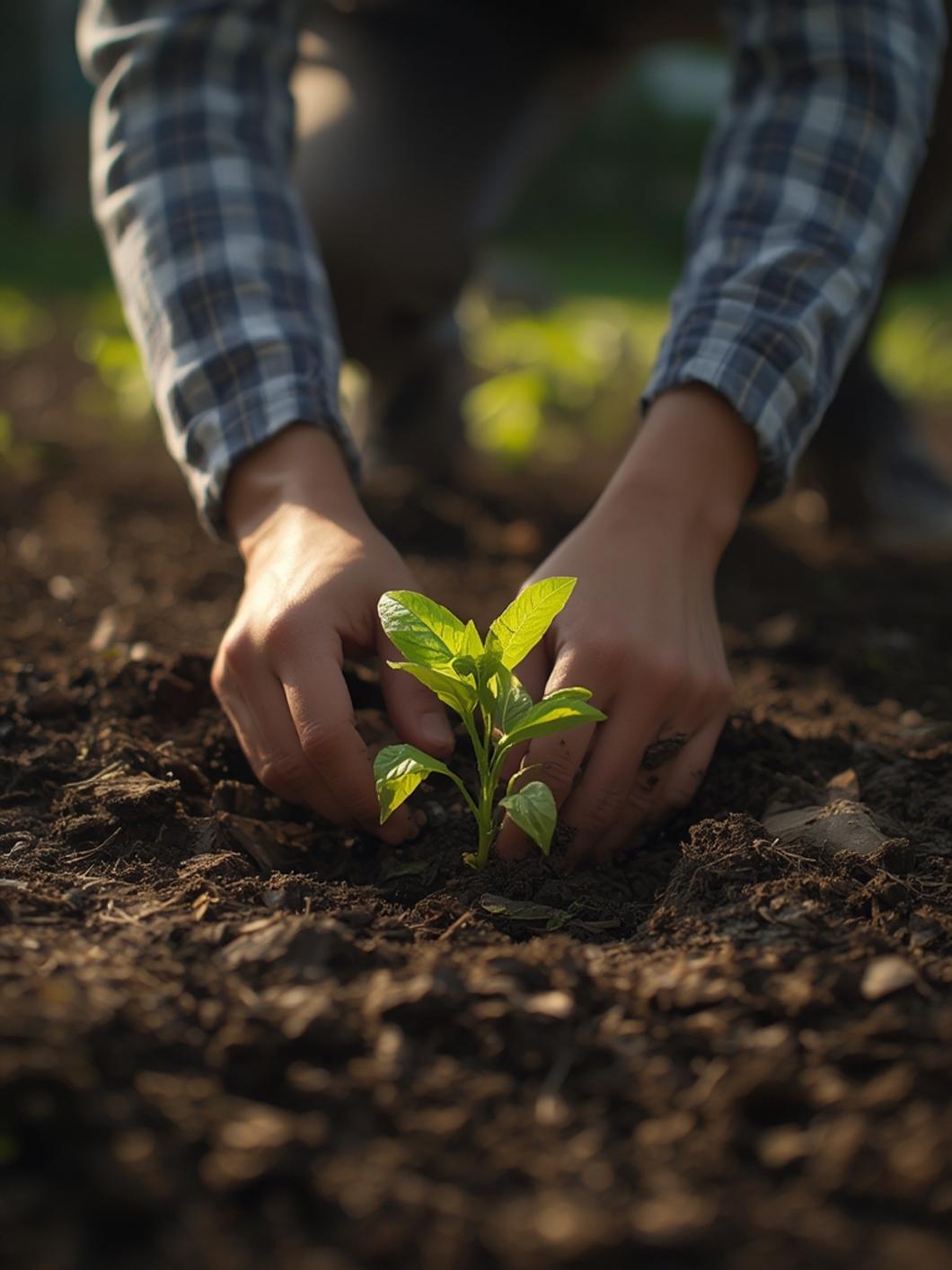
5. Transplant outdoors: Plant cherry tomato plants in garden beds or containers, burying stems up to the first set of leaves. Space plants 24-36 inches apart.
6. Add support structures: Install tomato cages or stakes immediately after planting to avoid root damage later. Use soft ties to secure growing stems to supports.
7. Water and feed properly: Water deeply but infrequently, allowing soil to dry slightly between waterings. Apply balanced organic fertilizer every 4 weeks.
8. Harvest regularly: Pick fruits when they reach full color and detach easily from the stem. Harvesting frequently encourages continued production.
Nutritional Benefits / Advantages
Cherry tomatoes are nutritional powerhouses, containing:
- High levels of lycopene, a powerful antioxidant
- Excellent source of vitamins A, C, and K
- Good amounts of potassium and folate
- Low in calories (approximately 20 calories per cup)
- Naturally high in fiber
Homegrown varieties contain significantly higher nutrient levels than store-bought alternatives, which are often harvested before peak ripeness.
Tips, Alternative Methods, or Gardening Advice
- Container growing: Choose determinate varieties for small spaces or hanging baskets.
- Vertical gardening: Train indeterminate cherry tomatoes on trellises to maximize space.
- Companion planting: Grow with basil, marigolds, and nasturtiums to deter pests naturally.
- Water-wise techniques: Use ollas (buried clay pots) for efficient watering in hot climates.
- Season extension: Cover plants with frost cloth to extend harvest into cooler months.
Common Mistakes to Avoid
- Overwatering: Causes root rot and nutrient leaching. Solution: Check soil moisture with your finger before watering.
- Inadequate sunlight: Results in weak, unproductive plants. Solution: Ensure 6-8 hours of direct sunlight daily.
- Overcrowding: Promotes disease and reduces airflow. Solution: Prune for better circulation and maintain proper spacing.
- Inconsistent watering: Causes fruit splitting and blossom end rot. Solution: Implement a regular watering schedule and use mulch.
- Over-fertilizing: Creates lush foliage but few fruits. Solution: Use half-strength fertilizer applications.
Storage / Maintenance Tips
- Pruning: Remove suckers (shoots growing between main stem and branches) on indeterminate varieties to focus energy on fruit production.
- Harvesting: Pick tomatoes in the morning when flavors are most concentrated.
- Storage: Keep harvested tomatoes at room temperature, never refrigerate for best flavor.
- Preserving: Freeze whole, make sauces, or dehydrate for long-term storage.
- End-of-season care: Harvest all tomatoes before first frost; green tomatoes will ripen indoors.
Conclusion
Growing your own cherry tomato plants brings immense satisfaction and delicious rewards. From planting those first cherry tomato seeds to enjoying months of harvests, the process connects you to your food in a meaningful way. With the right care and attention, even beginners can achieve abundant harvests of these versatile fruits. Why not start your tomato growing journey today? Your future salads, sauces, and snacks will thank you!
FAQs
How many cherry tomatoes will one plant produce?
A healthy cherry tomato plant can produce between 20-90 fruits per plant, yielding up to 10 pounds of tomatoes over a growing season, depending on variety and growing conditions.
Can I grow cherry tomatoes indoors year-round?
Yes, with sufficient light (ideally a south-facing window plus grow lights), proper containers, and attention to pollination, cherry tomatoes can grow indoors throughout the year.
Why are my cherry tomato leaves turning yellow?
Yellowing leaves may indicate nutrient deficiencies (particularly nitrogen), overwatering, disease, or pest problems. Check the pattern of yellowing to determine the specific cause.
How often should I water my cherry tomato plants?
Water deeply 1-2 times weekly rather than frequent shallow watering. In hot weather, container plants may need daily watering, while garden plants typically need 1-2 inches of water weekly.
Can I save seeds from my cherry tomatoes for next year?
Yes, but only if you’re growing heirloom or open-pollinated varieties. Hybrid varieties won’t produce plants true to the parent. Allow seeds to ferment in their gel for a few days before rinsing and drying thoroughly.