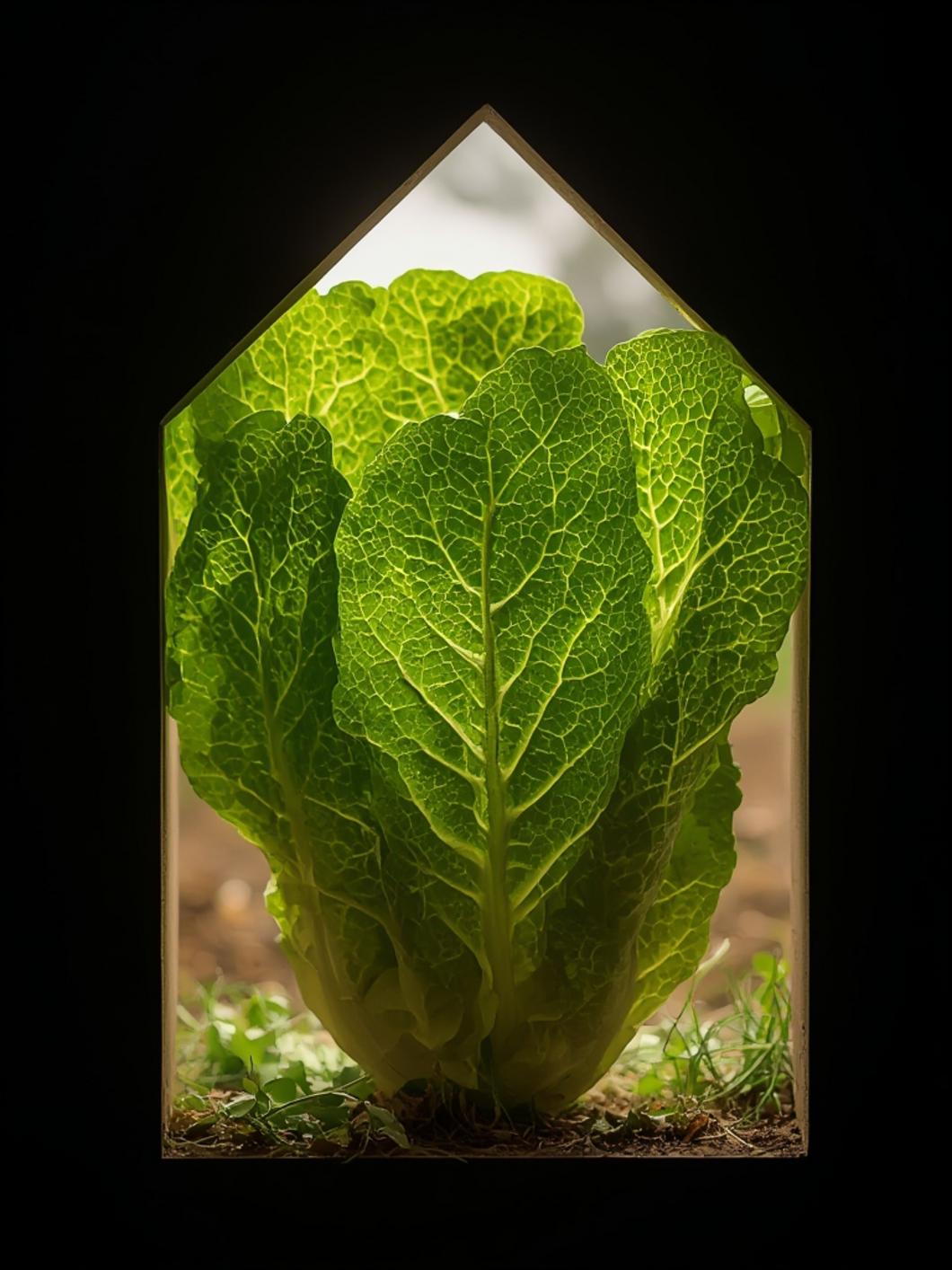
Have you ever wondered how to grow your own fresh, crisp salad greens right outside your door? Growing loose leaf lettuce at home is one of the most rewarding and accessible gardening projects for beginners and experienced gardeners alike. With minimal space and effort,
Table of Contents
How to Grow Delicious Loose-Leaf Lettuce in Your Home Garden
you can enjoy a continuous harvest of nutritious greens throughout the growing season. The beauty of loose leaf lettuce varieties is their “cut and come again” nature, allowing multiple harvests from the same plants. Let’s explore how to grow this versatile vegetable in your own garden.
Materials & Supplies
To start your lettuce garden, gather these essential items:
- Lettuce seeds (choose a variety pack for different flavors and colors)
- Seed-starting trays or small pots (for indoor starting)
- Well-draining potting soil or garden soil amended with compost
- Garden beds, containers, or raised beds
- Organic fertilizer (slow-release, low-nitrogen formula)
- Watering can or gentle irrigation system
- Row covers or shade cloth (for hot weather protection)
- Garden markers or labels
- Garden gloves
- Hand trowel
- Scissors or garden shears for harvesting
Optional: Grow lights (if starting indoors with limited natural light), pH testing kit, organic pest deterrents.
Timing / Growing Schedule
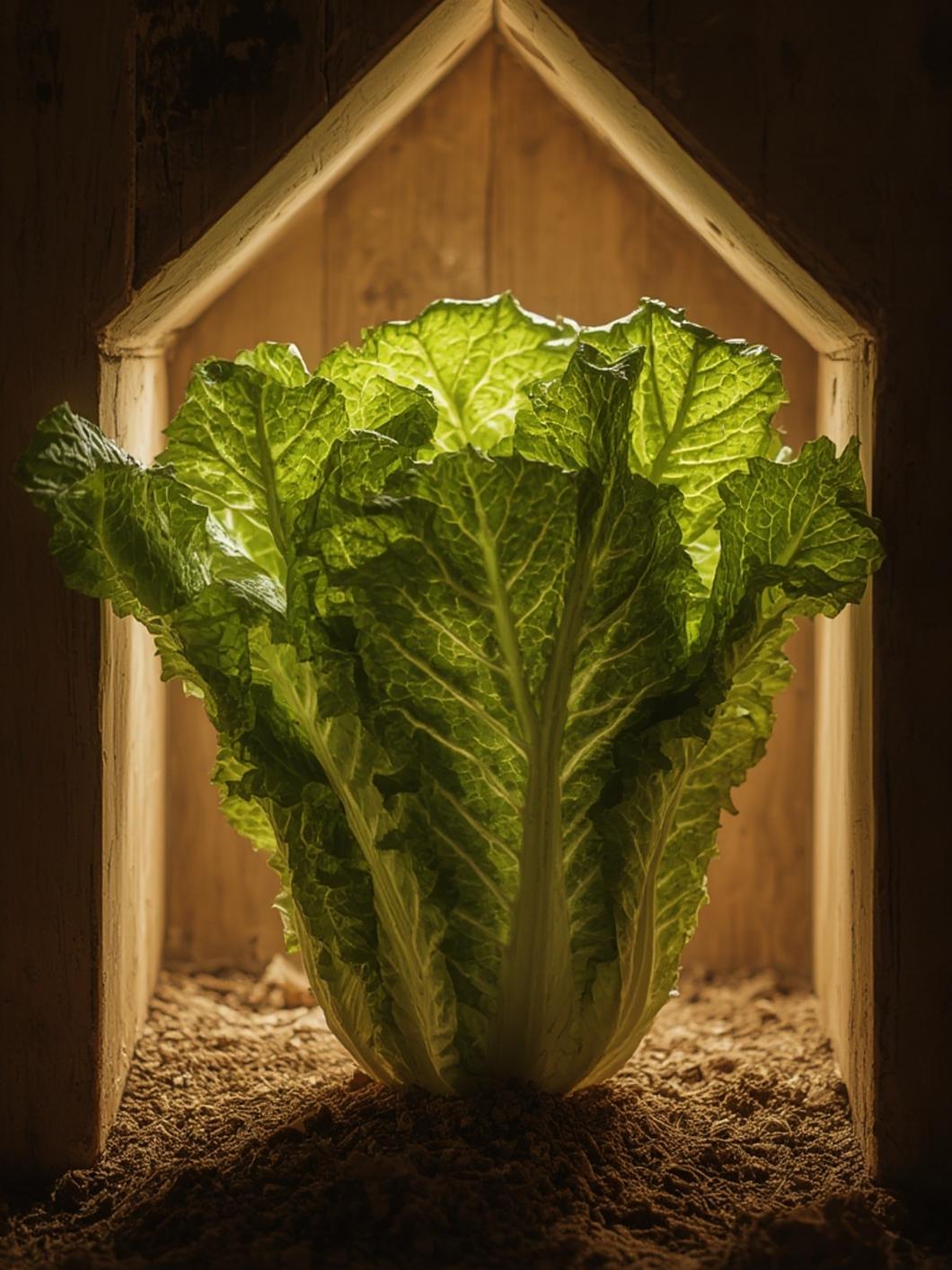
Loose leaf lettuce is a cool-season crop that performs best in spring and fall. For spring planting, start seeds indoors 3-4 weeks before the last frost date, or direct sow outdoors 2-3 weeks before the last frost. For fall harvests, plant 6-8 weeks before the first expected frost.
- Germination time: 7-10 days
- Time from seeding to first harvest: 45-60 days
- Succession planting: Sow new seeds every 2-3 weeks for continuous harvest
- Temperature preference: 60-65°F (15-18°C) for optimal growth
Compared to head lettuce, which requires a full growing season before harvest, loose leaf varieties provide quicker gratification with harvests possible within 6-8 weeks.
Step-by-Step Instructions
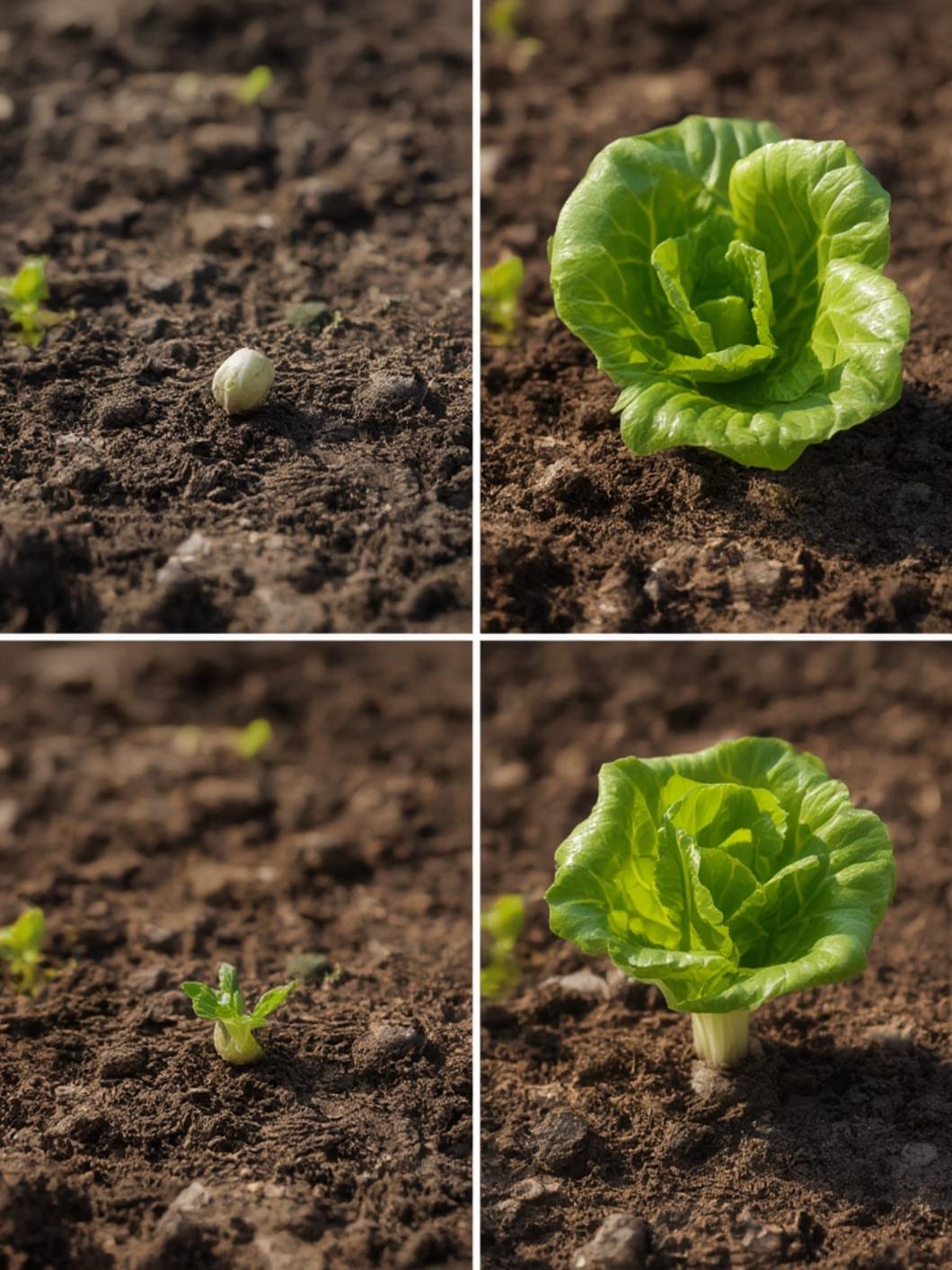
1. Select location: Choose a spot that receives morning sun but afternoon shade, especially in warmer climates. loose leaf lettuce appreciates cool conditions and will bolt (go to seed) in excessive heat.
2. Prepare soil: Work in compost to create light, well-draining soil with plenty of organic matter. Aim for a slightly acidic to neutral pH (6.0-7.0).
3. Plant seeds: Sow seeds thinly, about ¼ inch deep and 1 inch apart. For rows, space them 12-18 inches apart to allow air circulation between your loose leaf lettuce varieties .
4. Water gently: Keep soil consistently moist but not waterlogged. Use a watering can with a rose attachment to avoid displacing seeds or damaging seedlings.
5. Thin seedlings: When plants reach 1-2 inches tall, thin to 6-8 inches apart, allowing proper space for growth. Don’t discard thinnings—they’re perfect for baby salads!
6. Maintain regular care: Water early in the day to prevent disease. Apply a light layer of compost or balanced organic fertilizer midway through growth.
Nutritional Benefits / Advantages
Homegrown loose leaf lettuce offers impressive nutritional benefits:
- Rich in vitamins A, K, and C
- Good source of folate and iron
- High water content (95%) for hydration
- Low in calories (approximately 15 calories per cup)
- Contains antioxidants like beta-carotene
- Significantly higher nutrient content compared to store-bought lettuce that loses nutrients during shipping and storage
- No pesticide residues when grown organically at home
Tips, Alternative Methods, or Gardening Advice
For small spaces, try these alternatives:
- Container gardening: Grow in shallow pots at least 6 inches deep on a patio or balcony
- Vertical solutions: Use tiered planters or wall-mounted systems
- Indoor growing: Place on a sunny windowsill or under grow lights
- Intercropping: Plant between slower-growing vegetables like broccoli or cabbage
- Microgreens: Harvest ultra-young lettuce for intense flavor and nutrients
Common Mistakes to Avoid
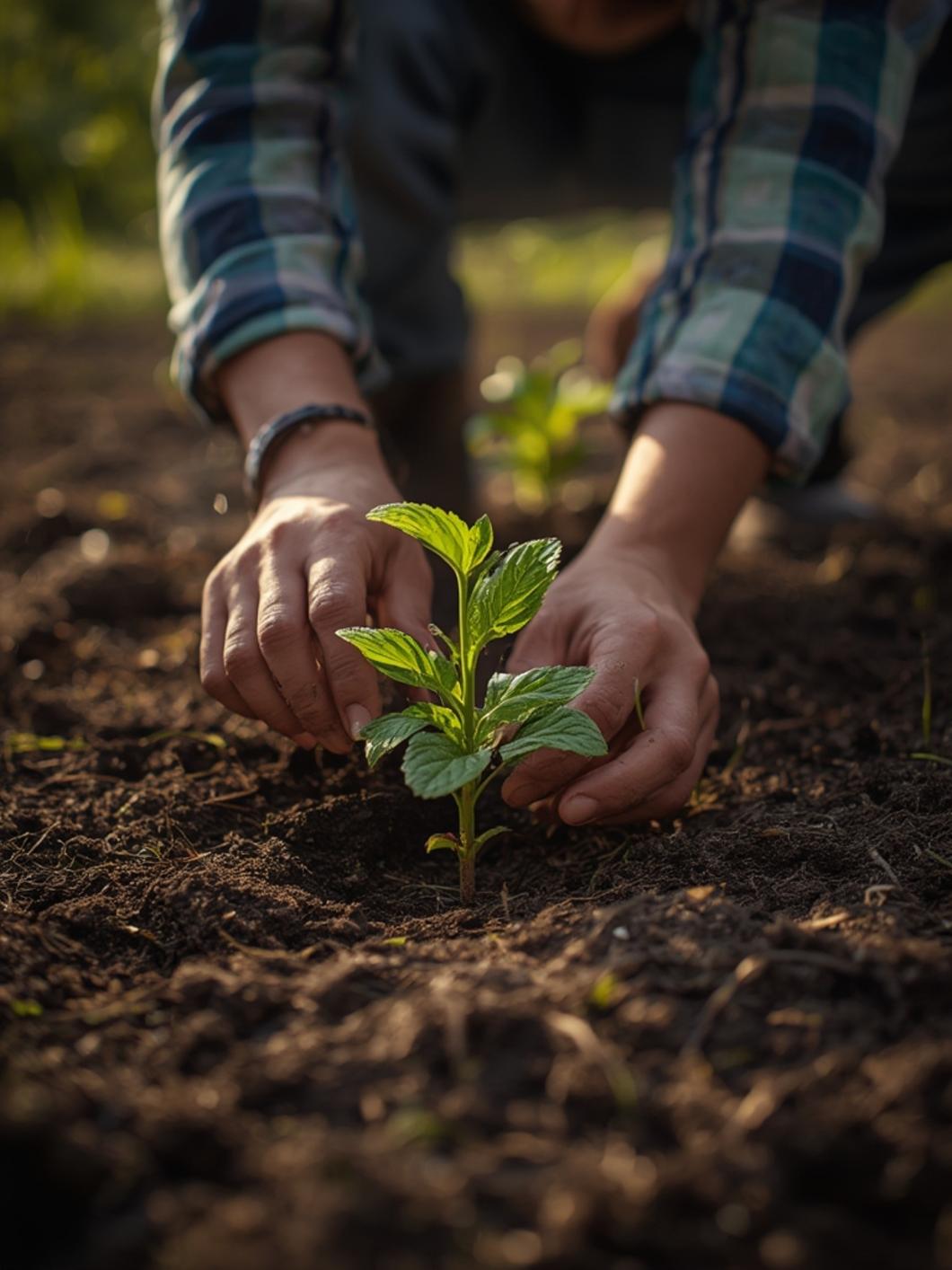
1. Planting too deep: Seeds need light to germinate, so plant just ¼ inch deep.
2. Inconsistent watering: Fluctuating moisture levels cause bitter taste and bolting. Use mulch to maintain consistent soil moisture.
3. Poor timing: Planting too late in spring leads to heat stress and bolting. Start early or save for fall planting.
4. Overcrowding: Insufficient spacing leads to poor air circulation and disease. Thin properly for healthy growth.
5. Harvesting incorrectly: Removing entire plants instead of outer leaves reduces overall yield.
Storage / Maintenance Tips
Extend the life of your harvest with proper storage:
- Harvest in the morning when leaves are crisp and full of moisture
- Wash and spin dry thoroughly before refrigerating
- Store in a container lined with paper towels to absorb excess moisture
- Keep in the crisper drawer for up to one week
- For ongoing care, remove any damaged or yellowing leaves promptly
- Watch for pests like aphids and slugs; remove by hand or use organic deterrents
Conclusion
Growing your own loose leaf lettuce provides a continuous supply of fresh, nutritious greens right at your fingertips. With minimal investment and moderate attention, you’ll enjoy delicious salads harvested minutes before eating. The diversity of loose leaf lettuce varieties means you can experiment with different colors, textures, and flavors to create your perfect salad mix. Why not start planting this weekend? We’d love to hear about your lettuce-growing adventures in the comments below!
FAQs
Can I grow lettuce in partial shade?
Yes, lettuce actually prefers partial shade, especially in warmer climates. Morning sun with afternoon shade provides ideal conditions and prevents premature bolting.
How do I prevent my lettuce from becoming bitter?
Bitterness usually results from heat stress or water stress. Keep plants consistently watered, provide afternoon shade in hot weather, and harvest regularly before plants mature too much.
Can I save seeds from my lettuce plants?
Absolutely! Allow a few plants to bolt and flower, then collect the seeds when the flower heads turn fluffy and dry. Store in a cool, dry place for up to three years.
How do I control slugs and snails on my lettuce without chemicals?
Create barriers using crushed eggshells or diatomaceous earth around plants. Alternatively, set shallow dishes of beer nearby as traps, or hand-pick pests in the evening when they’re most active.
Is it possible to grow lettuce indoors year-round?
Yes, with sufficient light from a sunny window or grow lights, lettuce can be grown indoors throughout the year. Choose compact varieties and harvest at baby leaf stage for best results in indoor conditions.