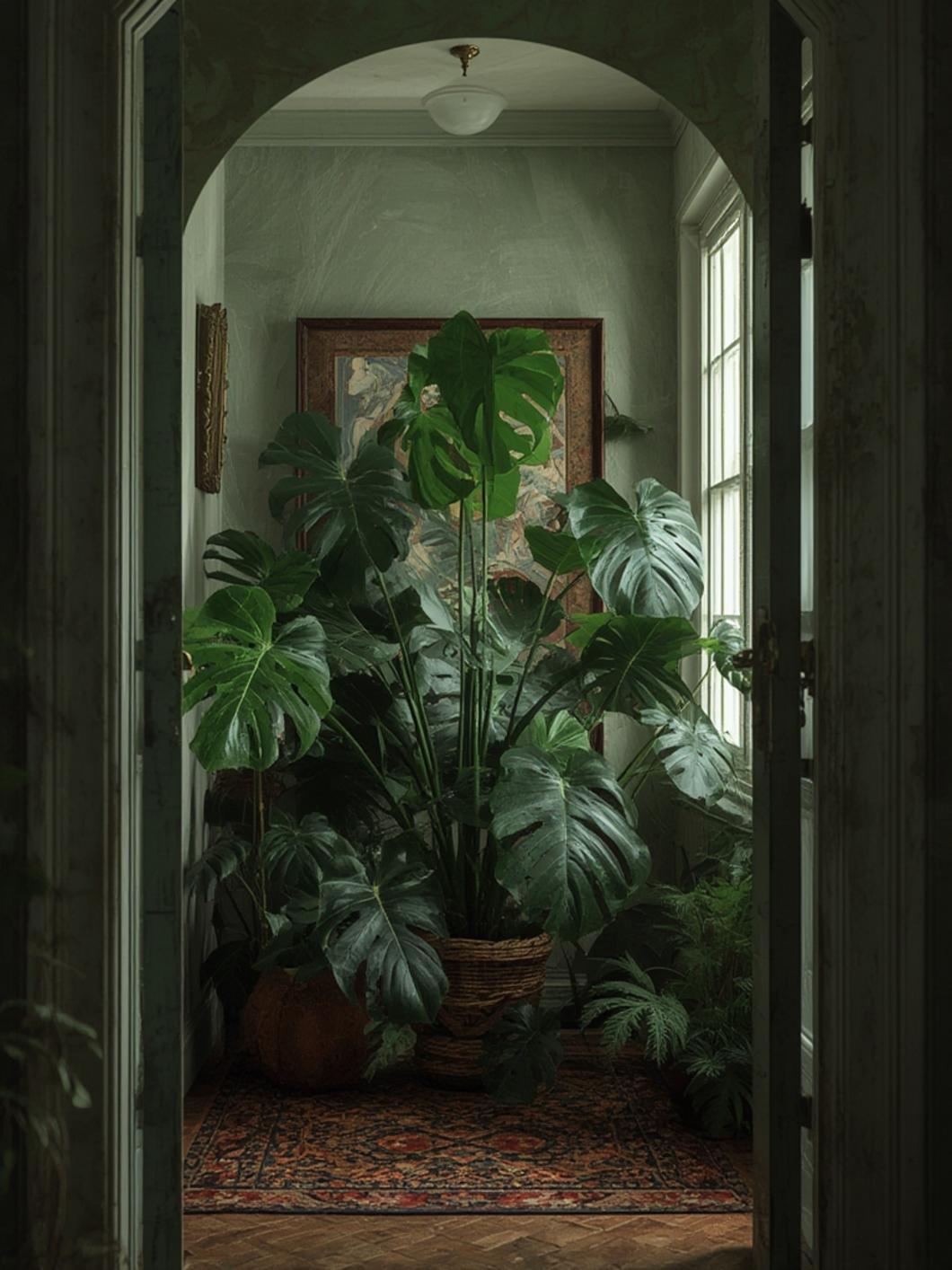
Have you ever wondered how to bring the striking beauty of a Monstera Esqueleto into your living space? This rare tropical houseplant, also known as the “skeleton fenestration philodendron,” has become increasingly popular among plant enthusiasts for its dramatic foliage and architectural presence.
Unlike its cousin, the Monstera adansonii , which is more commonly available, the Esqueleto offers larger leaves with more dramatic perforations. Growing these stunning specimens at home allows you to enjoy their exotic beauty while purifying your indoor air—a living piece of tropical art that elevates any space.
Table of Contents
How to Grow and Care for the Magnificent Monstera Esqueleto at Home
Materials & Supplies
To successfully grow your Monstera Esqueleto, you’ll need:
- A juvenile Monstera Esqueleto plant (usually available from specialty nurseries or online plant shops)
- Well-draining potting mix (equal parts peat, perlite, and orchid bark)
- A pot with drainage holes (ceramic or plastic, 2-3 inches larger than the root ball)
- Moss pole or trellis for support as the plant matures
- Indoor plant fertilizer (balanced NPK, liquid form)
- Watering can with narrow spout
- Spray bottle for misting
- Pruning shears (clean and sharp)
- Neem oil for pest prevention
- Optional: humidifier for dry environments
- Optional: grow lights if natural light is insufficient
Timing / Growing Schedule
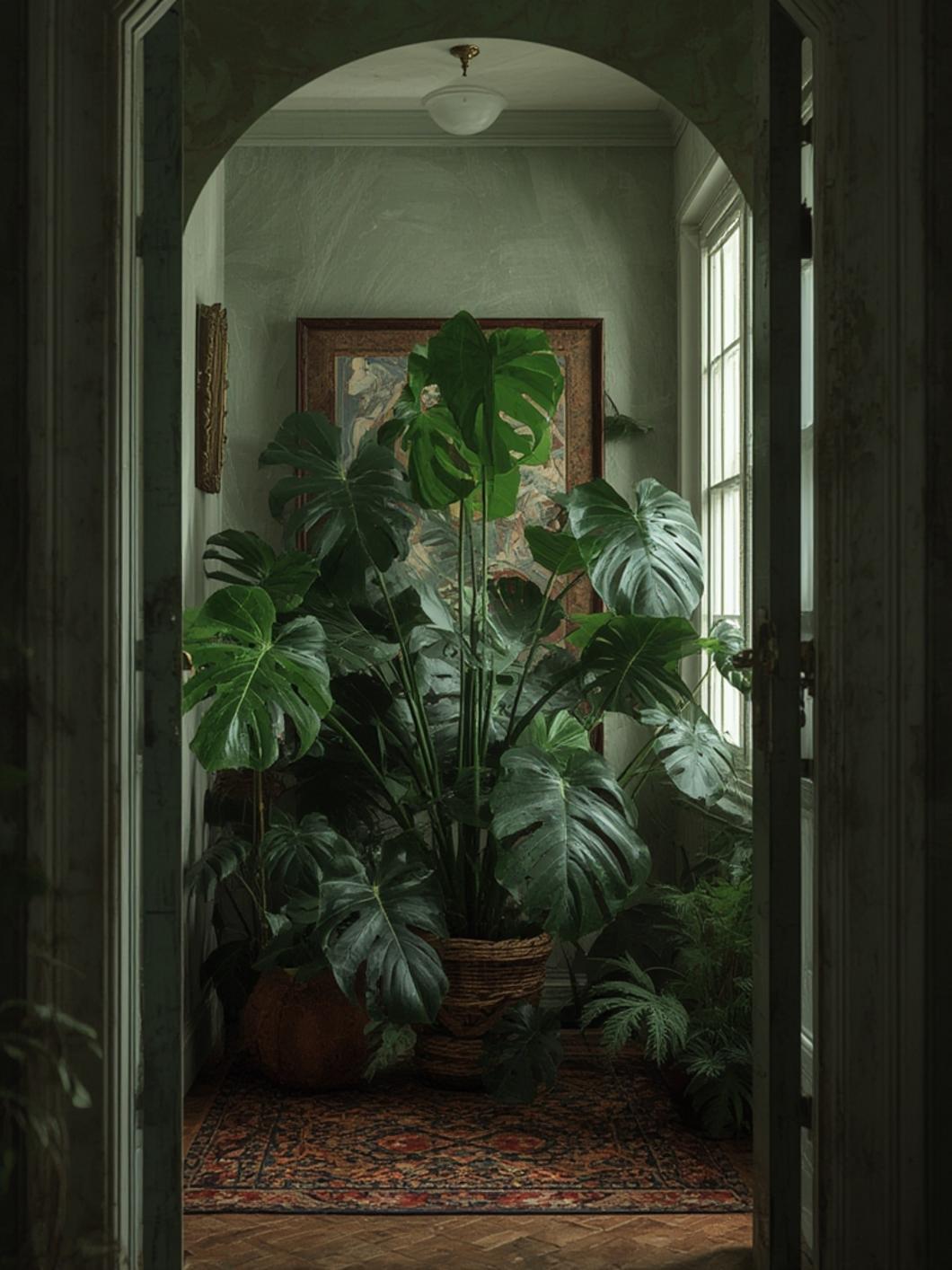
Monstera Esqueleto is a year-round indoor houseplant that follows a distinct growth pattern. The primary growing season extends from spring through early fall (March to September), when you’ll observe the most dramatic leaf development. During winter months, growth naturally slows, and the plant enters a semi-dormant state.
For optimal development, expect:
- Establishment period: 2-4 weeks after repotting
- New leaf emergence: Every 4-6 weeks during growing season
- Maturation to fenestrated leaves: 2-3 years from juvenile stage
- Repotting schedule: Every 2-3 years or when roots begin circling the pot
Unlike faster-growing varieties like the Monstera adansonii, the Esqueleto develops more slowly but rewards patience with spectacular foliage.
Step-by-Step Instructions
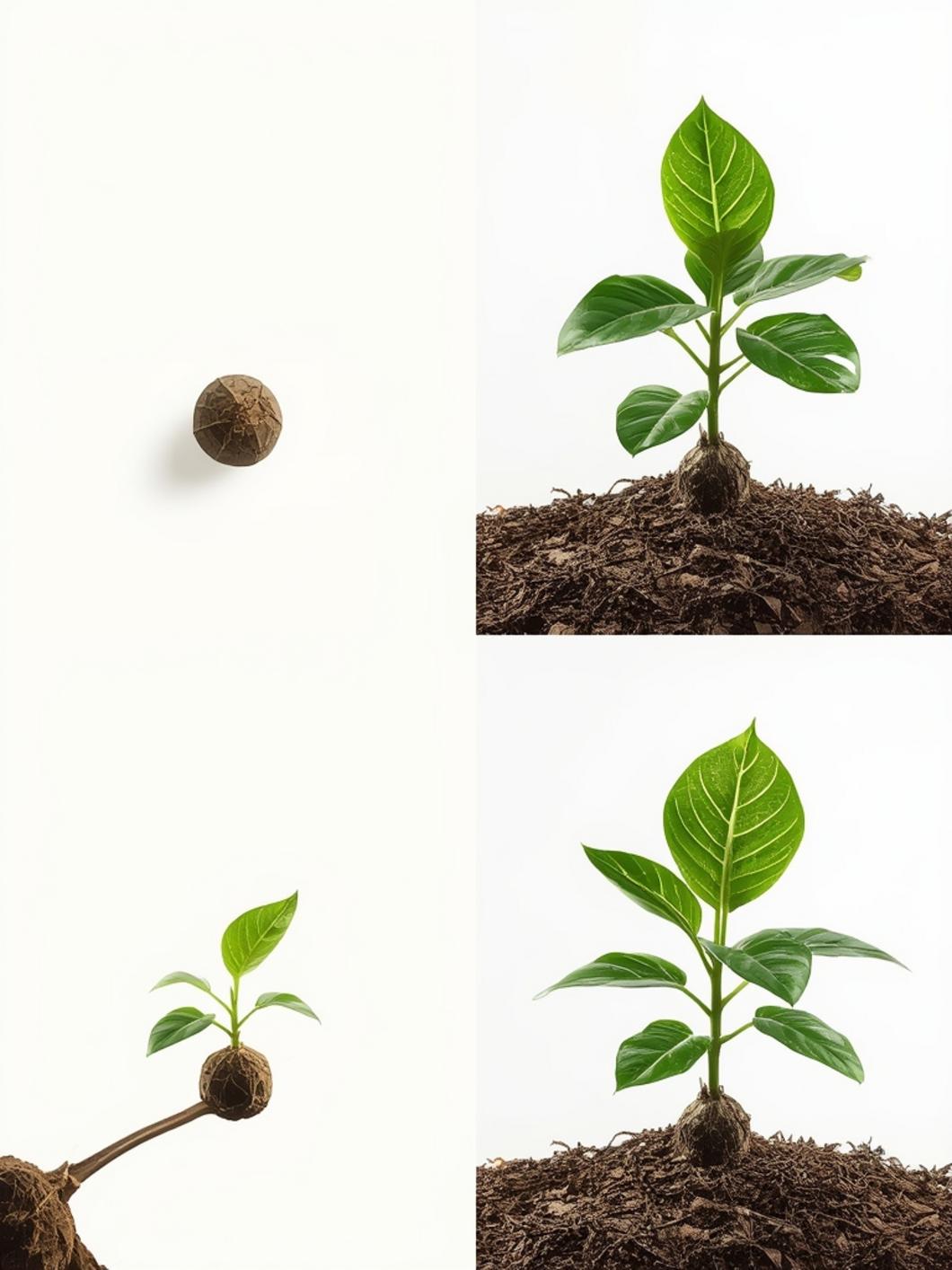
1. Select the perfect spot: Position your Monstera Esqueleto in bright, indirect light. Morning sunlight with afternoon shade is ideal, similar to what the Monstera adansonii prefers, though Esqueleto can tolerate slightly lower light.
2. Prepare the potting mix: Combine equal parts peat moss, perlite, and orchid bark for excellent aeration and moisture retention. Add a handful of activated charcoal to prevent soil fungus.
3. Planting technique: Fill your pot one-third with potting mix, position the plant, then fill around the roots while keeping the stem at the same depth as before.
4. Install support: Insert a moss pole or trellis at planting time to encourage upward growth and larger leaf development. Gently secure the main stem with plant ties.
5. Establish watering routine: Water thoroughly when the top 2 inches of soil feels dry. Always drain excess water from the saucer to prevent root rot.
6. Implement humidity strategy: Maintain 60-80% humidity through regular misting, pebble trays, or a humidifier. Group with other plants for a natural humidity boost.
7. Fertilize appropriately: Apply diluted liquid fertilizer monthly during growing season (half the recommended strength). Skip fertilizing in winter.
Nutritional Benefits / Advantages
While not edible, the Monstera Esqueleto offers significant benefits:
- Air purification: Removes toxins including formaldehyde and benzene
- Humidity regulation: Releases moisture through transpiration, improving air quality
- Psychological benefits: Studies show indoor plants reduce stress and improve concentration
- Biodiversity preservation: Growing rare plants at home contributes to species conservation
- Aesthetic value: The distinctive foliage creates a focal point in interior design
- Educational opportunity: Caring for tropical plants provides botanical learning experiences
Tips, Alternative Methods, or Gardening Advice
- For small spaces: Train young plants vertically on moss poles rather than allowing horizontal spread.
- Climate adaptations: In dry environments, create a microclimate by grouping plants together and using pebble trays.
- Seasonal care: Reduce watering by 50% during winter months when growth slows.
- Propagation method: Air-layering is more reliable than stem cuttings for this specific Monstera variety.
- Lighting alternatives: Under low natural light conditions, supplement with grow lights positioned 12-18 inches above the plant.
- Organic approach: Use diluted fish emulsion as a natural fertilizer alternative every 6-8 weeks.
Common Mistakes to Avoid

1. Overwatering: The number one killer of Monsteras. Allow soil to dry out between waterings and ensure excellent drainage.
2. Inadequate light: Insufficient light causes leggy growth and small leaves with fewer fenestrations.
3. Ignoring humidity needs: Dry air leads to brown leaf edges and stunted growth. Maintain consistent humidity above 60%.
4. Frequent repotting: Monsteras prefer to be somewhat root-bound; repotting too often disrupts growth.
5. Improper support: Without vertical support, plants grow horizontally, taking up excessive space with smaller leaves.
6. Pest negligence: Failing to regularly inspect for spider mites and scale insects can lead to infestations.
Storage / Maintenance Tips
- Pruning protocol: Remove yellowing leaves at the base using sterilized shears. Prune in spring for shape control.
- Cleaning routine: Wipe leaves monthly with a damp cloth to remove dust and detect pests early.
- Rotation schedule: Turn plant quarterly to ensure even growth and prevent leaning.
- Seasonal adjustments: Move plants away from cold windows in winter and air conditioning vents in summer.
- Leaf support: As fenestrated leaves grow larger, provide additional support to prevent tearing.
- Annual assessment: Each spring, evaluate soil condition, root health, and support structures.
Conclusion
The majestic Monstera Esqueleto brings tropical splendor to your home with its remarkable foliage and architectural presence. While requiring more specific care than the common Monstera adansonii , the extra attention yields spectacular results as your plant matures. By following these guidelines and maintaining patience, you’ll be rewarded with a stunning specimen that becomes a living centerpiece in your home. We’d love to see your Monstera journey—share your plant’s progress in the comments below or explore our other tropical plant guides to expand your indoor jungle!
FAQs
How often should I water my Monstera Esqueleto?
Water when the top 2 inches of soil feel dry to the touch, typically every 7-10 days during growing season and less frequently in winter. Always check soil moisture rather than following a strict schedule.
Why aren’t my Monstera leaves developing holes?
Fenestration development requires maturity, adequate light, and proper nutrition. Young plants need 2-3 years before producing dramatically perforated leaves. Ensure bright indirect light and regular fertilizing during growing season.
Can I propagate Monstera Esqueleto from a single leaf?
No, a leaf alone cannot produce a new plant. Successful propagation requires a stem cutting with at least one node (the bumpy part where leaves emerge) or through air-layering technique.
How do I identify and treat common Monstera pests?
Spider mites appear as tiny moving specks with fine webbing; treat with insecticidal soap. Scale insects look like brown bumps on stems and leaf undersides; remove with alcohol-dipped cotton swabs. Preventative neem oil applications every 4-6 weeks help deter most pests.
Is Monstera Esqueleto safe for pets?
No, all Monstera species contain calcium oxalate crystals toxic to cats and dogs. Keep plants out of reach of curious pets or choose pet-safe alternatives if your animals tend to nibble on houseplants.