Have you ever dreamed of adding a touch of celestial beauty to your indoor garden? The stunning Monstera Thai Constellation with its galaxy-like variegation has become the crown jewel of houseplant enthusiasts worldwide. This rare beauty, along with its equally desirable cousin,
the Monstera Albo, has captured the hearts of plant lovers everywhere. Growing these botanical treasures at home not only elevates your interior design but also provides the satisfaction of nurturing a living piece of art. Let’s explore how you can successfully cultivate these stunning variegated monsteras in your own space.
Table of Contents
How to Grow and Care for Monstera Thai Constellation: A Complete Guide
Materials & Supplies
To successfully grow your variegated monstera, you’ll need:
– High-quality aroid potting mix (mixture of potting soil, orchid bark, perlite, and charcoal)
– Well-draining pot with drainage holes (6-10 inches, depending on plant size)
– Moss pole or trellis for support
– Pruning shears or scissors (sterilized)
– Watering can with filtered water
– Humidifier or humidity tray
– Liquid fertilizer (balanced NPK formula)
– Neem oil solution for pest prevention
– Spray bottle for misting
– Plant grow light (optional for low-light environments)
– Heat mat (optional for colder climates)
Timing / Growing Schedule

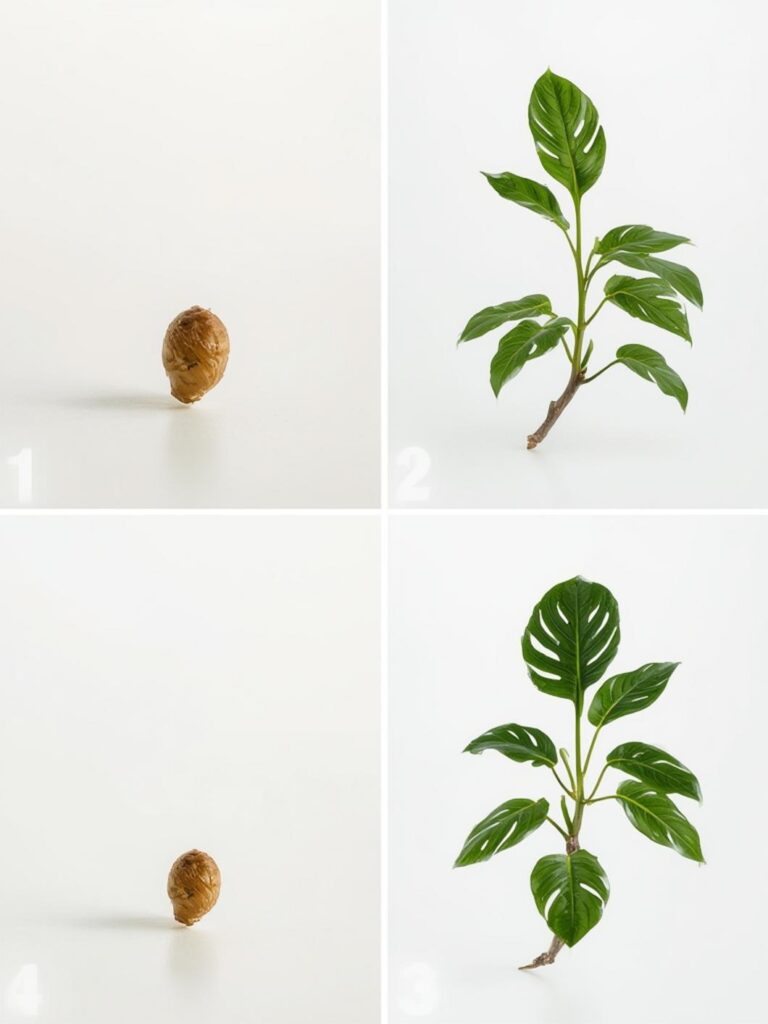
Variegated monsteras are slow growers compared to their non-variegated counterparts, which is important to remember when planning your plant journey. Expect:
– Establishment period: 4-6 weeks after repotting
– Active growth season: Spring through early fall (March to October)
– Dormancy period: Late fall through winter (November to February)
– New leaf production: Every 4-8 weeks during growing season
– Maturation timeline: 3-5 years to reach impressive size and fenestration
Unlike faster-growing houseplants, these special varieties require patience, but their stunning appearance makes the wait worthwhile.
Step-by-Step Instructions
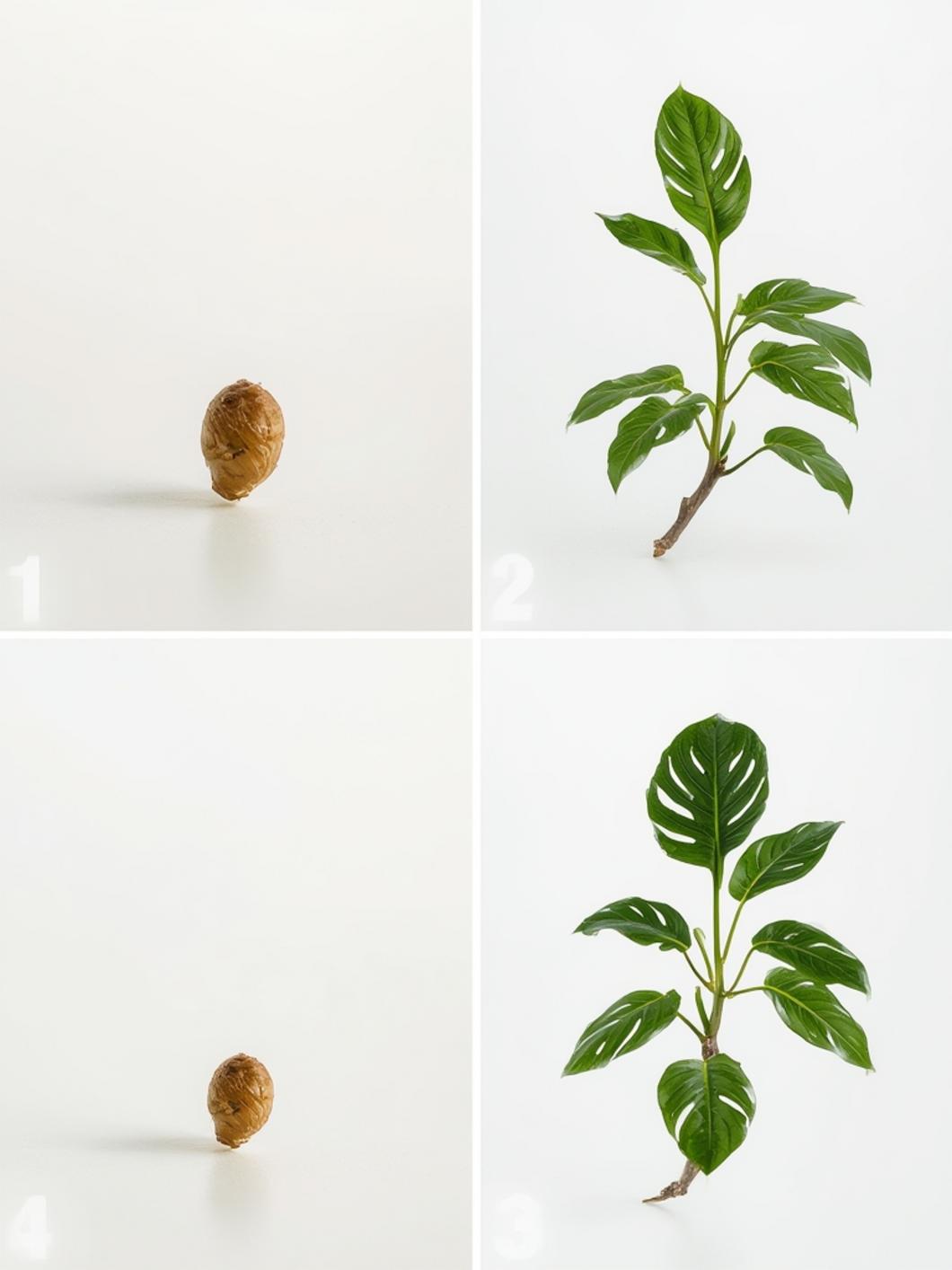
1. Select your plant: Whether you choose the creamy-speckled Monstera Thai Constellation or the stark white patches of the Monstera Albo, ensure you’re purchasing from a reputable seller to avoid disappointment.
2. Prepare the potting mix: Combine 2 parts orchid bark, 1 part perlite, 1 part coco coir, and 1 part quality potting soil for optimal drainage and aeration.
3. Choose the right container: Select a pot 1-2 inches larger than the root ball with ample drainage holes.
4. Planting technique: Position your monstera at the same depth as its previous container, ensuring the aerial roots are properly situated.
5. Support system setup: Install a moss pole or trellis, gently securing the stem with plant ties to encourage upward growth.
6. Establish watering routine: Water thoroughly when the top 2-3 inches of soil feel dry (approximately every 7-10 days).
7. Optimize lighting: Place in bright, indirect light – morning sun is ideal, but protect from harsh afternoon rays.
8. Maintain humidity: Keep humidity levels between 60-80% using a humidifier, pebble tray, or regular misting.
Nutritional Benefits / Advantages
While monsteras aren’t edible plants, they offer numerous benefits to your living space:
– Air purification capabilities, removing toxins and improving indoor air quality
– Proven stress reduction through the therapeutic practice of plant care
– Improved indoor humidity levels, beneficial for respiratory health
– Enhancement of creative thinking and productivity in work spaces
– Increased property value through the addition of rare, collector plants
– Psychological well-being through biophilic connection to nature
Tips, Alternative Methods, or Gardening Advice
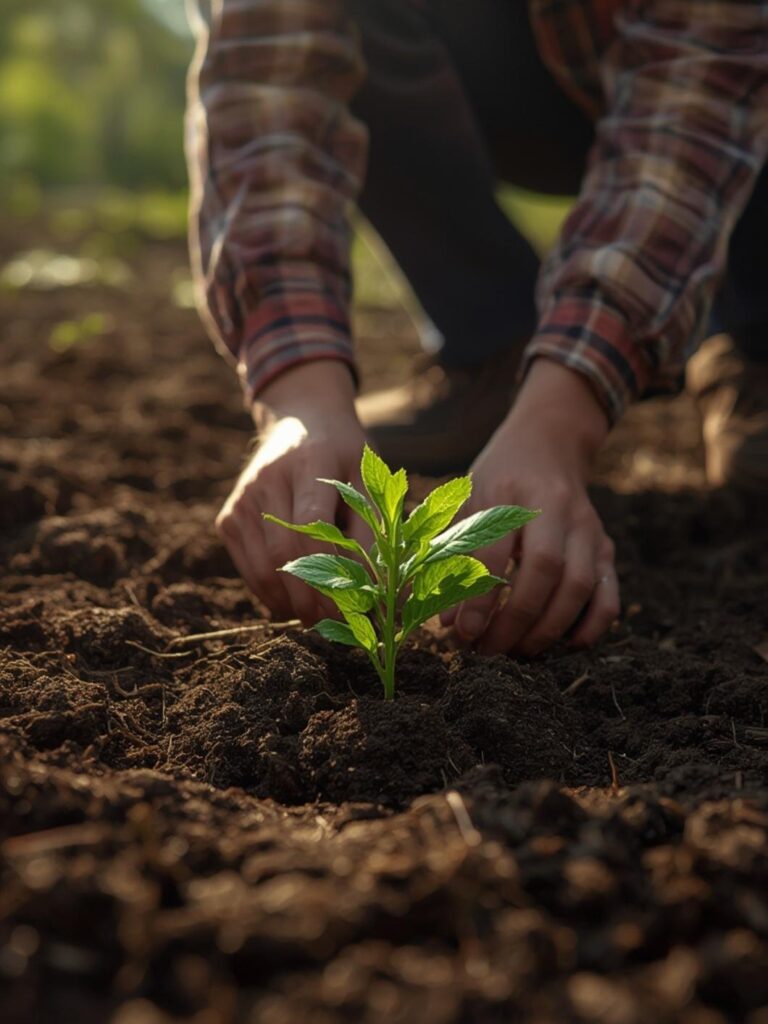
– Propagation: Take node cuttings in spring or summer, ensuring each cutting has at least one node and aerial root.
– Supplemental lighting: In low-light environments, supplement with grow lights 8-10 hours daily.
– Terrarium growth: Smaller cuttings can thrive in terrarium settings with increased humidity.
– Seasonal adjustments: Reduce watering frequency by 30-50% during winter months.
– Natural supports: Consider using natural branches instead of commercial moss poles for a more aesthetic appearance.
Common Mistakes to Avoid
1. Overwatering: The number one killer of variegated monsteras – always check soil moisture before watering.
2. Improper lighting: Too little light slows growth; direct sunlight burns variegated leaves.
3. Low humidity: Insufficient humidity causes crispy leaf edges and stunted growth.
4. Ignoring pests early: Spider mites and thrips love monsteras – inspect regularly and treat immediately.
5. Excessive fertilization: Over-fertilizing burns roots and damages leaves – follow the “less is more” approach.
Storage / Maintenance Tips
– Pruning routine: Trim yellowing or damaged leaves at the base of the stem using sterilized tools.
– Cleaning regimen: Wipe leaves monthly with a damp cloth to remove dust and enhance photosynthesis.
– Seasonal fertilizing: Apply diluted fertilizer monthly during growing season, none during winter.
– Rotation schedule: Turn your plant quarterly to ensure even growth on all sides.
– Repotting timeline: Repot every 2-3 years in spring, going up just one pot size each time.
Conclusion
The journey of growing a Monstera Thai Constellation or Monstera Albo requires patience, attention, and care, but the reward is a spectacular living artwork that will be the centerpiece of your plant collection. These magnificent variegated beauties offer not just aesthetic appeal but also the satisfaction of successfully cultivating a highly sought-after botanical treasure. Why not start your variegated monstera adventure today? Share your plant journey with us or explore our other plant care guides to expand your indoor jungle!
FAQs
Why are the leaves on my variegated monstera turning brown?
Browning leaves usually indicate sunburn, low humidity, or inconsistent watering. Move to a less bright location, increase humidity, and establish a consistent watering schedule.
How much should I pay for a Thai Constellation or Albo Monstera?
Prices vary widely based on size, variegation pattern, and market demand. Expect to pay $150-300 for small plants and $500-2,000+ for mature specimens with exceptional variegation.
Can I increase variegation in my monstera?
Variegation is genetic and cannot be increased, but providing optimal bright indirect light helps maintain existing variegation patterns and prevent reverting.
Why is my variegated monstera not producing new leaves?
Slow growth is normal for variegated plants. Ensure it receives adequate light, appropriate watering, and regular (but not excessive) fertilization during growing season to encourage new growth.
Is it normal for variegated monsteras to produce all-green leaves occasionally?
Yes, this is called “reverting.” Remove all-green leaves promptly to direct energy back to variegated growth and prevent the plant from reverting completely.