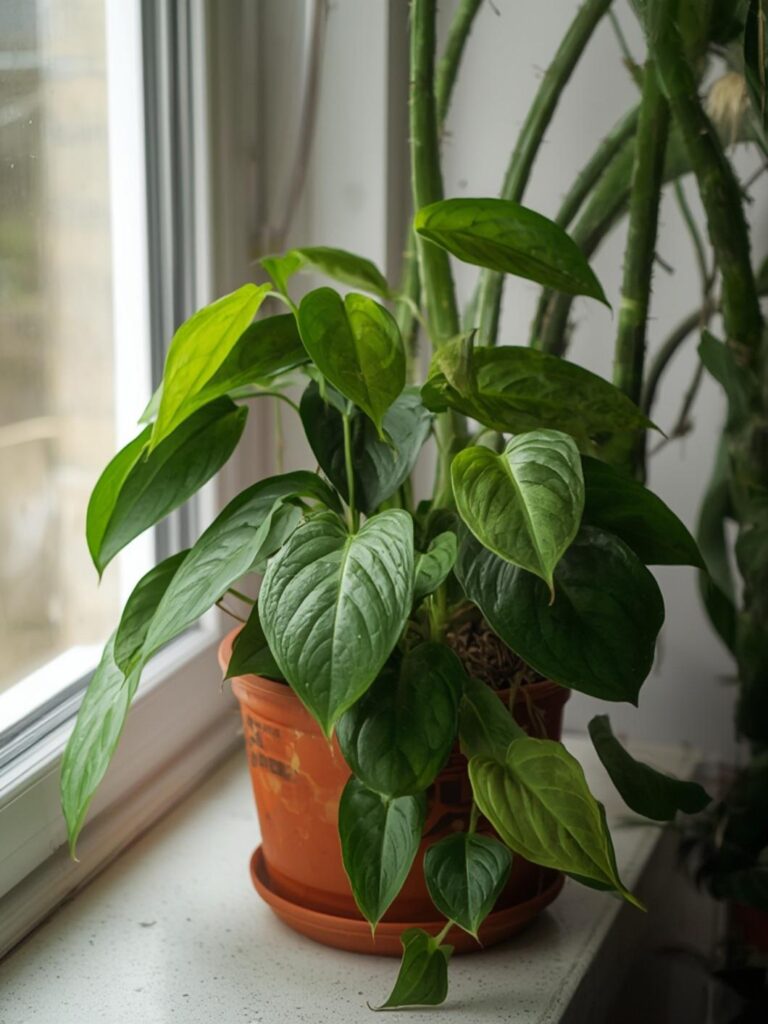
Have you ever dreamed of adding a stunning statement plant to your indoor jungle? With its velvety, dark green leaves and striking red undersides, the Philodendron El Choco Red has become one of the most coveted tropical houseplants among plant enthusiasts.
Native to Colombia, this rare aroid offers a perfect blend of dramatic foliage and manageable Philodendron El Choco Red care requirements that even intermediate plant parents can handle. Let’s explore how to successfully grow this botanical treasure in your home and enjoy its spectacular foliage year-round.
Table of Contents
Growing and Caring for the Exotic Philodendron El Choco Red at Home
Materials & Supplies
To successfully grow your Philodendron El Choco Red, you’ll need:
- Well-draining potting mix (2 parts orchid bark, 1 part perlite, 1 part coco coir)
- Plastic or terracotta pot (8-10 inches) with drainage holes
- Sphagnum moss for propagation (optional)
- Humidity tray or humidifier
- Plant stakes or moss poles for support
- Balanced liquid fertilizer (NPK 20-20-20)
- Pruning shears or sharp scissors
- Spray bottle for misting
- Neem oil or insecticidal soap for pest prevention
- Grow lights (if natural light is insufficient)
Timing / Growing Schedule
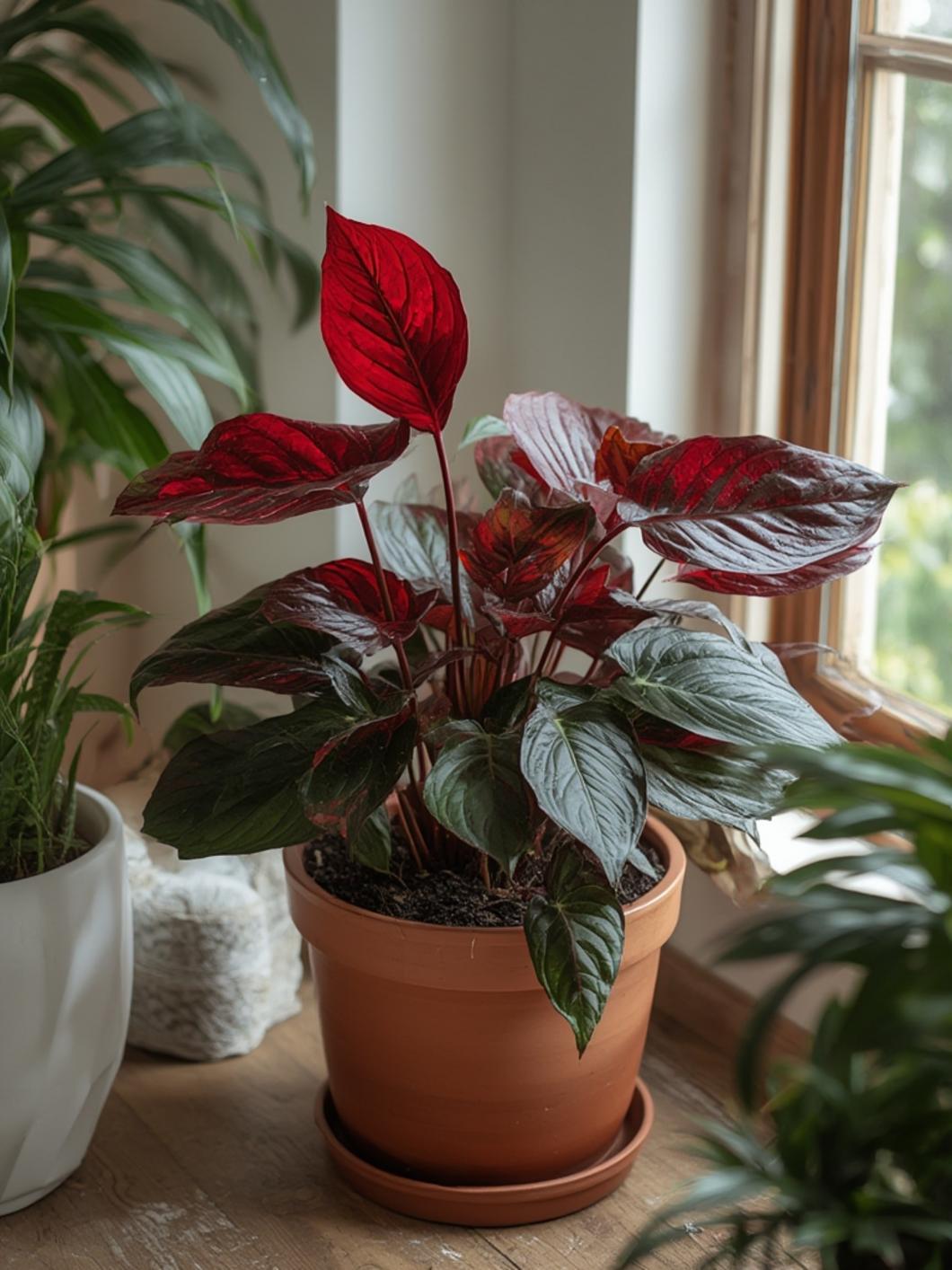
Philodendron El Choco Red grows year-round as a houseplant but follows distinct seasonal patterns:
- Spring/Summer: Active growth period (March-September) – expect 1-2 new leaves per month
- Fall/Winter: Dormancy period (October-February) – slower growth, reduced watering needed
- Maturity Timeline: Plants typically take 2-3 years to reach mature size with proper care
- Repotting: Every 18-24 months, preferably in spring when growth is vigorous
Unlike fast-growing philodendrons, El Choco Red has a moderate growth rate, making it perfect for those who prefer plants that don’t quickly outgrow their space.
Step-by-Step Instructions
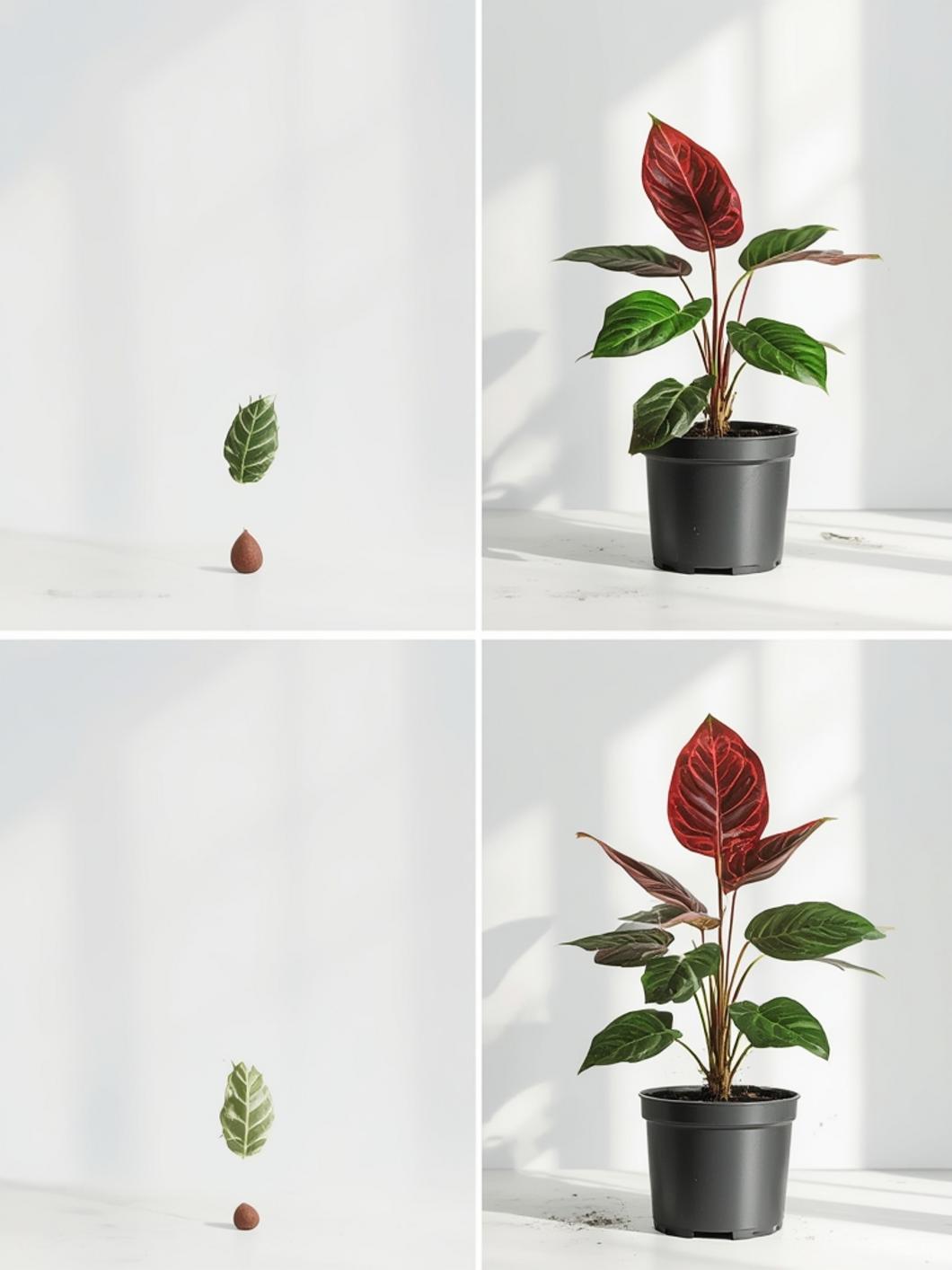
1. Selecting Your Plant: Look for a healthy Philodendron El Choco Red with firm stems and unblemished leaves. Avoid plants with yellowing foliage or signs of pest damage.
2. Potting: Choose a container 1-2 inches larger than the root ball with ample drainage. Fill with aroid mix and plant at the same depth as the original container.
3. Placement: Position in bright, indirect light. Morning sun is beneficial, but avoid harsh afternoon rays that can scorch leaves.
4. Watering Routine: Allow the top 1-2 inches of soil to dry between waterings. Reduce frequency during winter months but maintain consistent Philodendron El Choco Red care by checking soil moisture weekly.
5. Humidity Management: Maintain 60-70% humidity using pebble trays, grouping plants, or running a humidifier nearby. Mist occasionally but ensure good air circulation.
6. Support System: Install a moss pole as the plant matures to encourage larger leaf development and vertical growth.
7. Fertilization: Apply diluted liquid fertilizer monthly during growing season (spring/summer) and pause during dormancy.
Nutritional Benefits / Advantages
While not edible (all philodendrons contain calcium oxalate crystals that are toxic if ingested), this plant offers significant non-culinary benefits:
- Excellent air purifier, removing indoor pollutants like formaldehyde and benzene
- Creates higher oxygen levels during the day, improving air quality
- Increases humidity, beneficial for respiratory health and skin moisture
- Studies suggest indoor plants reduce stress and enhance cognitive function
- Rare collector’s value that appreciates over time with proper care
Tips, Alternative Methods, or Gardening Advice
- Propagation: Stem cuttings with at least one node can be rooted in water or sphagnum moss before transferring to soil
- Small-Space Solution: Young specimens work well in hanging baskets or on plant shelves
- Climate Adaptation: In dry climates, consider growing in self-watering planters or enclosed terrariums for juvenile plants
- Artificial Light Growing: Use grow lights (30W LED minimum) positioned 12-18 inches above the plant for 12-14 hours daily when natural light is insufficient
- Variegated Specimens: The rare variegated form requires even more careful light management to maintain patterning
Common Mistakes to Avoid
1. Overwatering: Soggy soil leads to root rot—the number one killer of these plants. Always check soil moisture before watering.
2. Inadequate Humidity: Low humidity causes brown leaf edges and stunted growth. Use a hygrometer to monitor levels.
3. Improper Lighting: Too much direct sun burns leaves; too little creates leggy growth with smaller foliage.
4. Temperature Extremes: Exposure to drafts, heating vents, or temperatures below 55°F (13°C) causes stress and leaf drop.
5. Using Regular Potting Soil: Standard potting mixes retain too much moisture; always use well-draining aroid-specific media.
Storage / Maintenance Tips
- Pruning: Remove yellowed or damaged leaves at the base using sterilized shears
- Cleaning: Wipe dust from leaves monthly with a damp cloth to maintain photosynthesis efficiency
- Pest Prevention: Inspect regularly for spider mites, mealybugs, and scale insects; treat promptly with neem oil solution
- Seasonal Care: Reduce watering by 30-40% during winter dormancy but maintain humidity
- Leaf Support: Provide stakes for larger specimens to prevent leaf breakage as they mature
Conclusion
The Philodendron El Choco Red offers the perfect combination of exotic beauty and approachable Philodendron El Choco Red care requirements. While it requires some attention to humidity and light conditions, the reward of those stunning burgundy-backed leaves makes every effort worthwhile. Whether you’re expanding your philodendron collection or seeking a dramatic focal point for your indoor garden, this remarkable tropical plant delivers both visual impact and the satisfaction of nurturing a botanical rarity. Ready to start your El Choco Red journey? Share your growing experiences in the comments below or explore our other tropical plant guides!
FAQs
How often should I fertilize my Philodendron El Choco Red?
Apply a balanced liquid fertilizer diluted to half strength once monthly during spring and summer. Reduce to once every 6-8 weeks in fall and winter, or stop completely if growth slows significantly.
Why are my El Choco Red’s leaves not as red as expected?
The red undersides develop with maturity and proper lighting. Young plants or those grown in low light conditions may show less intense coloration. Increasing light (without direct sun exposure) can enhance the red pigmentation.
Can Philodendron El Choco Red be grown in water permanently?
While cuttings can root in water, long-term water cultivation isn’t recommended. The plant requires soil nutrients for proper development and sustained health. Transfer water-rooted cuttings to soil once roots reach 2-3 inches.
Is Philodendron El Choco Red safe around pets?
No, all philodendrons contain calcium oxalate crystals toxic to cats, dogs, and other pets if ingested. Keep plants out of reach of curious pets and children to prevent accidental ingestion.
How can I encourage larger leaf growth on my El Choco Red?
Provide a moss pole for climbing, maintain optimal humidity (60-70%), ensure bright indirect light, and use a fertilizer with slightly higher nitrogen content during the growing season. Mature specimens naturally produce larger leaves when their basic needs are consistently met.