How to Grow Basil and Rosemary: A Complete Guide for Home Gardeners
Have you ever wandered through your local farmer’s market, inhaling the intoxicating aroma of fresh herbs and wondered if you could grow that magic at home? Growing Basil & Rosemary in your own garden or windowsill is not only possible but surprisingly simple. These versatile culinary herbs can transform ordinary meals into extraordinary culinary experiences, all while providing numerous health benefits. With minimal space and basic gardening knowledge, you can cultivate these Mediterranean favorites year-round, saving money and enhancing your cooking simultaneously.
Materials & Supplies
To successfully grow these aromatic herbs, you’ll need:
- Seeds or seedlings: Pre-started plants accelerate the growing process, while seeds offer more variety
- Well-draining potting soil: Ideally enriched with organic matter and perlite
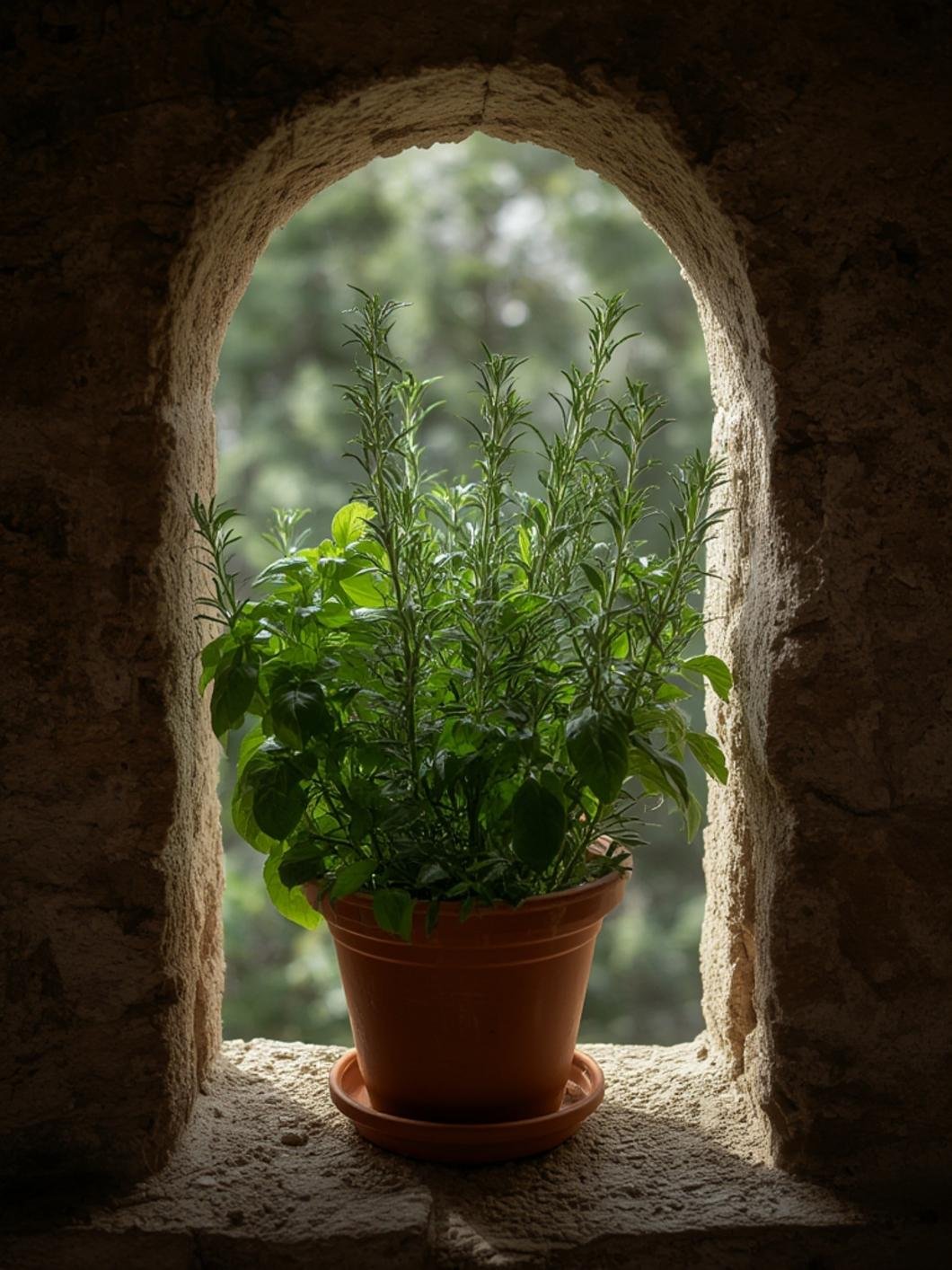
- Containers: Terracotta pots (6-8 inches deep) with drainage holes work best
- Watering can: With a gentle spray to avoid disturbing young plants
- Liquid organic fertilizer: Diluted to half-strength for herbs
- Pruning shears: Sharp, clean scissors for harvesting
- Plant markers: To distinguish between varieties
- Spray bottle: For misting and humidity control
- Sunny windowsill or garden space: South-facing is ideal
Optional: Grow lights for winter months, self-watering containers, moisture meter, and organic pest deterrents.
Timing / Growing Schedule

Basil thrives as an annual herb with a quick 7-10 day germination period when started from seed. Expect harvestable leaves within 3-4 weeks after transplanting seedlings, with peak production during summer months. Rosemary, being a perennial, requires more patience – germination takes 14-21 days, and meaningful harvests might not occur until 6-12 months after planting. However, once established, rosemary produces for years, even decades in suitable climates. For continuous fresh herbs, consider staggered planting of basil every 3-4 weeks throughout the growing season.
Step-by-Step Instructions
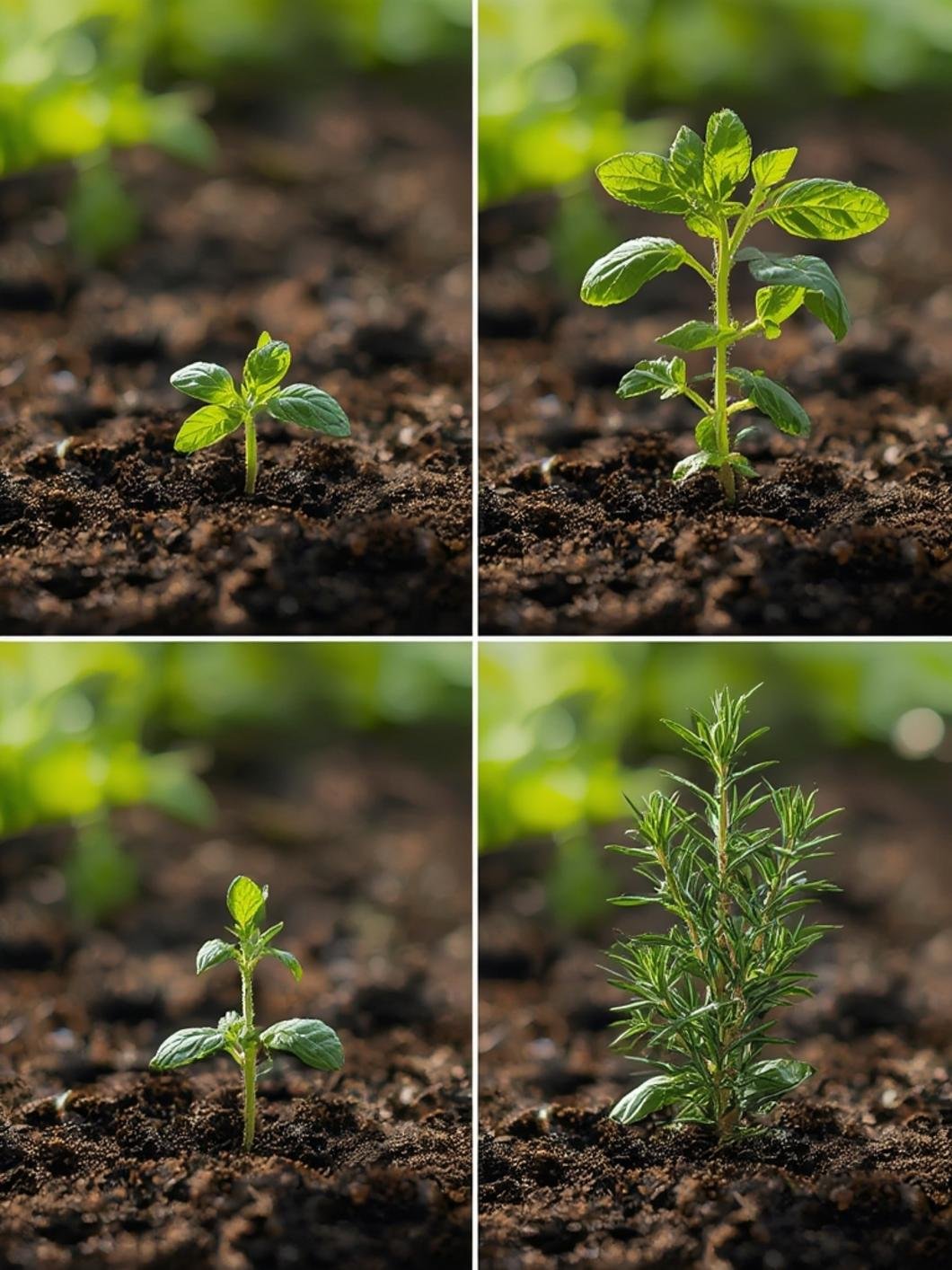
1. Select your location: Both Basil & Rosemary require 6-8 hours of direct sunlight daily. Choose a south-facing window or garden spot with adequate light.
2. Prepare containers: Fill pots with well-draining soil mix, leaving 1 inch from the top. For garden planting, amend soil with compost and ensure proper spacing (8-12 inches for basil, 24-36 inches for rosemary).
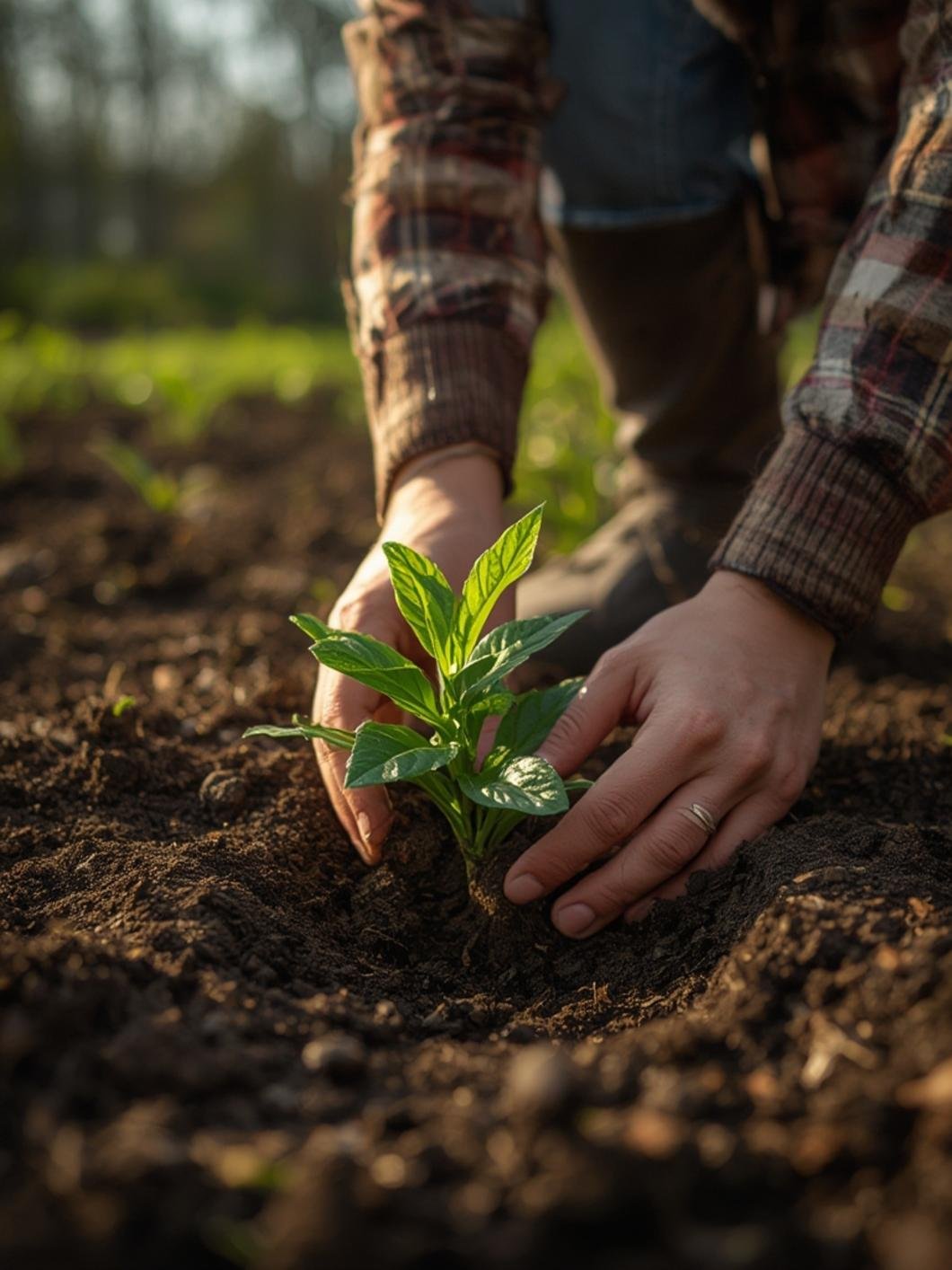
3. Plant properly: For seeds, sprinkle lightly on soil surface and cover with ¼ inch of soil. For seedlings, dig holes slightly larger than the root ball, place plants at the same depth as their nursery containers, and gently firm soil around the base.
4. Water appropriately: Keep soil consistently moist for basil but allow it to dry slightly between waterings. Rosemary prefers drier conditions – water only when the top inch of soil feels dry.
5. Fertilize sparingly: Feed monthly with half-strength organic fertilizer during growing season. These culinary herbs don’t require heavy feeding.
6. Harvest correctly: Pinch basil leaves from the top to encourage bushiness, taking no more than ⅓ of the plant at once. For rosemary, clip 3-4 inch sprigs, avoiding woody stems.
Nutritional Benefits / Advantages
Both herbs pack impressive health benefits. Basil contains essential vitamins A, K, and C, plus minerals like manganese and antioxidants that fight inflammation. It’s also recognized for stress reduction properties. Rosemary delivers iron, calcium, and vitamins A, C, and B-6, while its antioxidant compounds may improve digestion, enhance memory, and boost immunity. Growing these herbs at home ensures maximum nutrient preservation and eliminates pesticide concerns while providing aromatic plants that naturally repel certain garden pests.
Tips, Alternative Methods, or Gardening Advice
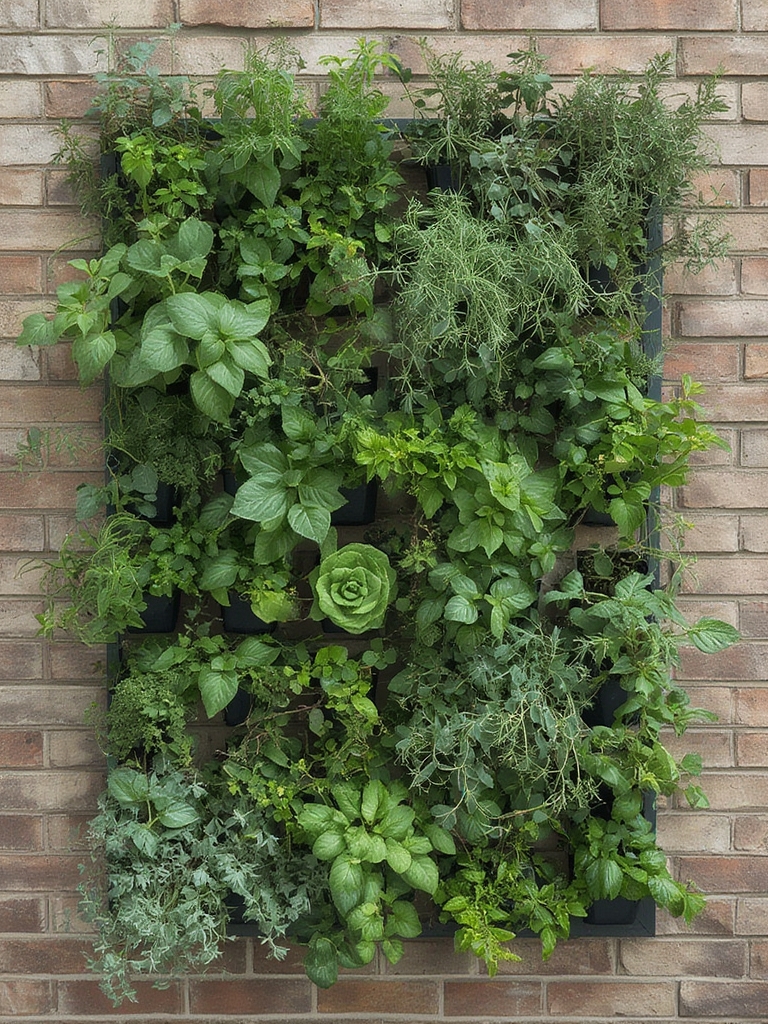
Container gardening works exceptionally well for these herbs, especially in apartments or homes with limited outdoor space. Consider companion planting basil with tomatoes to improve flavor and repel pests naturally. Rosemary can be trained into decorative topiary shapes for dual ornamental and culinary purposes. For indoor growing during winter, supplement natural light with grow lights for 12-14 hours daily. In humid climates, improve air circulation around plants to prevent fungal issues.
Common Mistakes to Avoid
- Overwatering: This is the leading cause of herb failure. Always check soil moisture before watering.
- Insufficient light: Leggy, pale plants indicate inadequate sunlight. Relocate or supplement with grow lights.
- Harvesting incorrectly: Removing too many leaves at once stresses plants. Follow the ⅓ rule for sustainable harvests.
- Allowing flowering: Pinch flower buds from basil promptly as flowering diminishes leaf production and flavor.
- Overcrowding: Poor air circulation invites disease. Maintain proper spacing between plants.
Storage / Maintenance Tips
Fresh basil keeps for 5-7 days when stems are placed in water like flowers. Alternatively, wrap loosely in paper towels and refrigerate. Rosemary stays fresh for 1-2 weeks when refrigerated in a slightly damp paper towel inside a plastic bag. For long-term storage, freeze chopped herbs in ice cube trays with olive oil or dry them at low temperatures. Prune rosemary annually to maintain shape and encourage new growth, and repot every 1-2 years as it becomes rootbound.
Conclusion
Growing Basil & Rosemary at home connects you with the age-old tradition of herb gardening while providing fresh, aromatic additions to your cooking arsenal. These versatile culinary herbs not only enhance your meals but also beautify your living space and provide meaningful therapeutic benefits. With the guidance provided in this article, even novice gardeners can successfully cultivate these Mediterranean classics. Why not start your herb garden today? Your future meals—and your senses—will thank you.
FAQs
Can I grow basil and rosemary together in the same pot? While possible, it’s not ideal due to different watering needs. If you must combine them, use a larger container and position rosemary toward the center where it’s slightly drier.
Why are my basil leaves turning black? Black spots typically indicate fungal disease from excessive moisture. Improve air circulation, reduce watering, and remove affected leaves immediately.
How do I prevent rosemary from becoming woody and unproductive? Regular pruning prevents woodiness. Never cut into old woody stems that lack leaves, and prune after flowering to encourage bushier growth.
Can I harvest herbs in winter? Yes, though growth slows considerably. For indoor herbs, ensure adequate light and reduce harvest amounts during winter months to avoid stressing plants.
Is it better to grow herbs from seeds or seedlings? Seedlings provide faster results and are ideal for beginners. Seeds offer more variety and cost-effectiveness but require patience and closer attention to germination conditions.