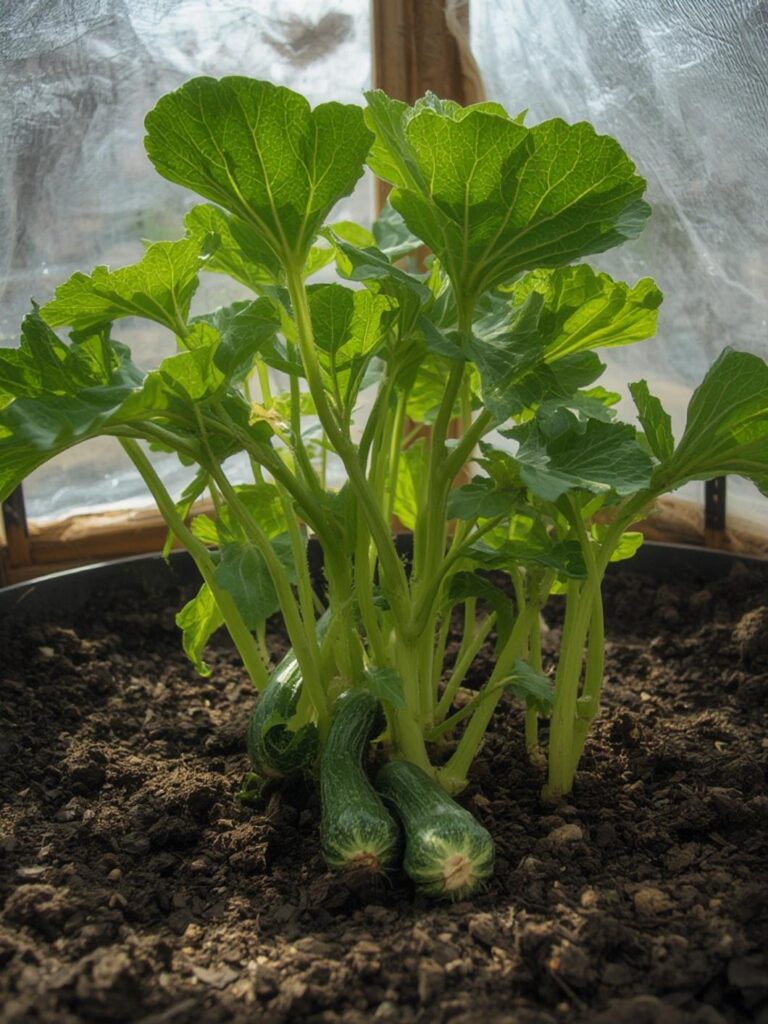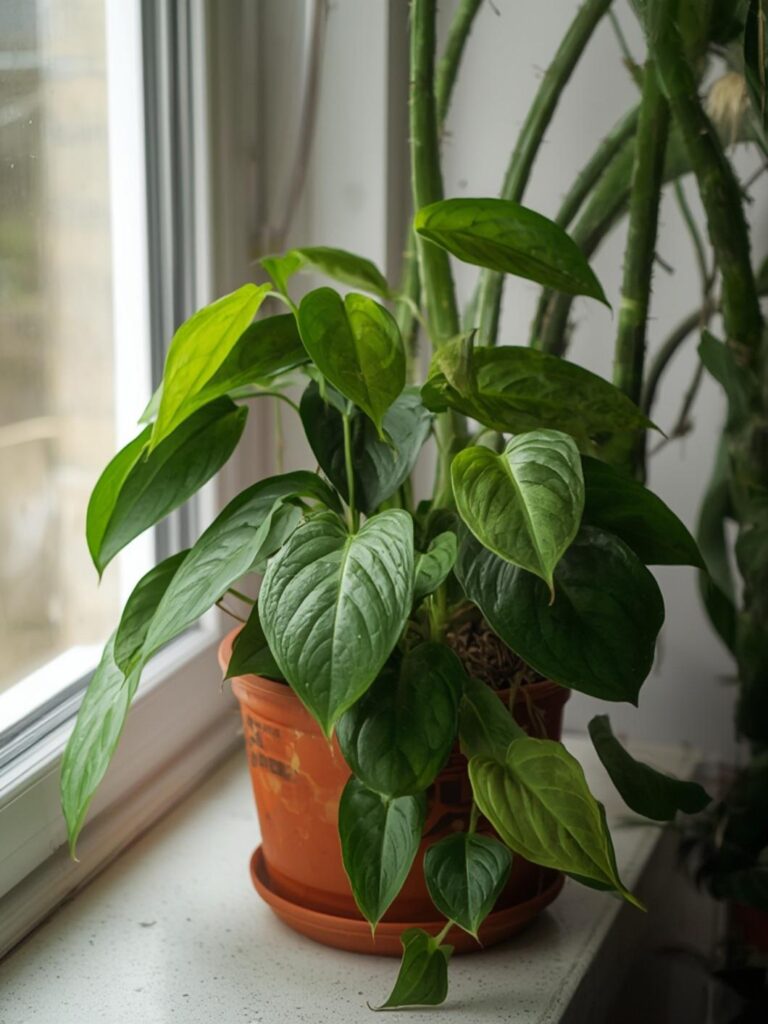
Have you ever dreamed of bringing a touch of tropical paradise to your home garden? Growing a White Bird of Paradise or a Giant Bird of Paradise plant can transform any space into an exotic retreat with their striking fan-like foliage and unique bird-shaped flowers. These spectacular plants, native to South Africa,
have become increasingly popular among indoor and outdoor gardeners alike for their dramatic appearance and relatively low maintenance needs. With proper care, patience, and the right growing conditions, you can successfully cultivate these stunning tropical beauties in your own home.
How to Grow and Care for Bird of Paradise Plants: A Complete Guide
Materials & Supplies
To successfully grow bird of paradise plants, you’ll need:
- Seeds or young plants: Starting with a small plant is recommended for beginners
- Large container: 12-14 inches in diameter with drainage holes (larger for Giant varieties)
- Well-draining potting soil: A mix designed for tropical plants works best
- Slow-release fertilizer: Specially formulated for flowering plants
- Watering can: With a narrow spout for controlled watering
- Pruning shears: Clean and sharp for removing damaged leaves
- Plant stakes: To provide support for taller varieties
- Humidity tray or mister: To increase humidity for indoor plants
- Pebbles: For drainage and humidity trays
- Garden gloves: To protect hands during repotting
Timing / Growing Schedule
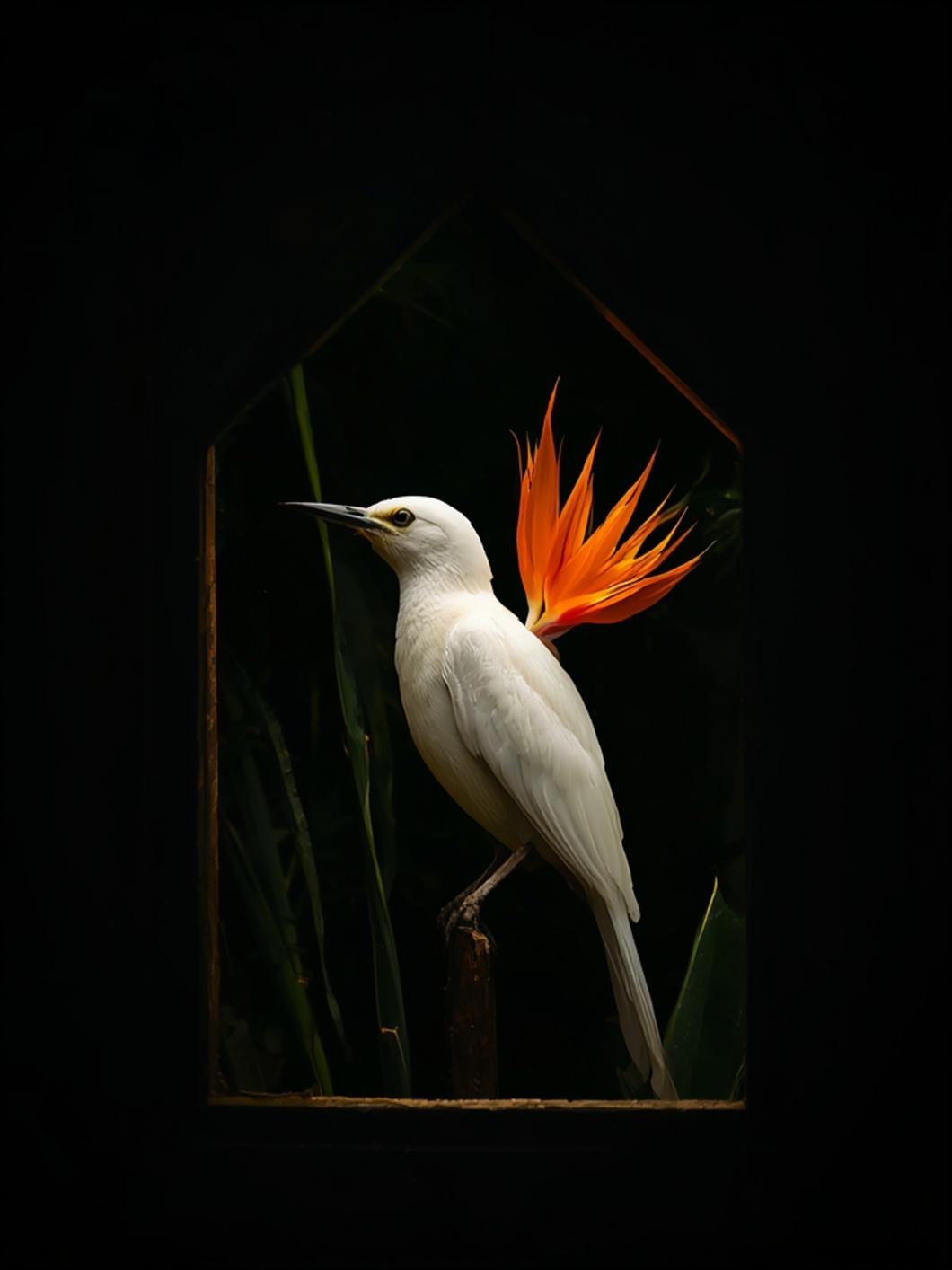
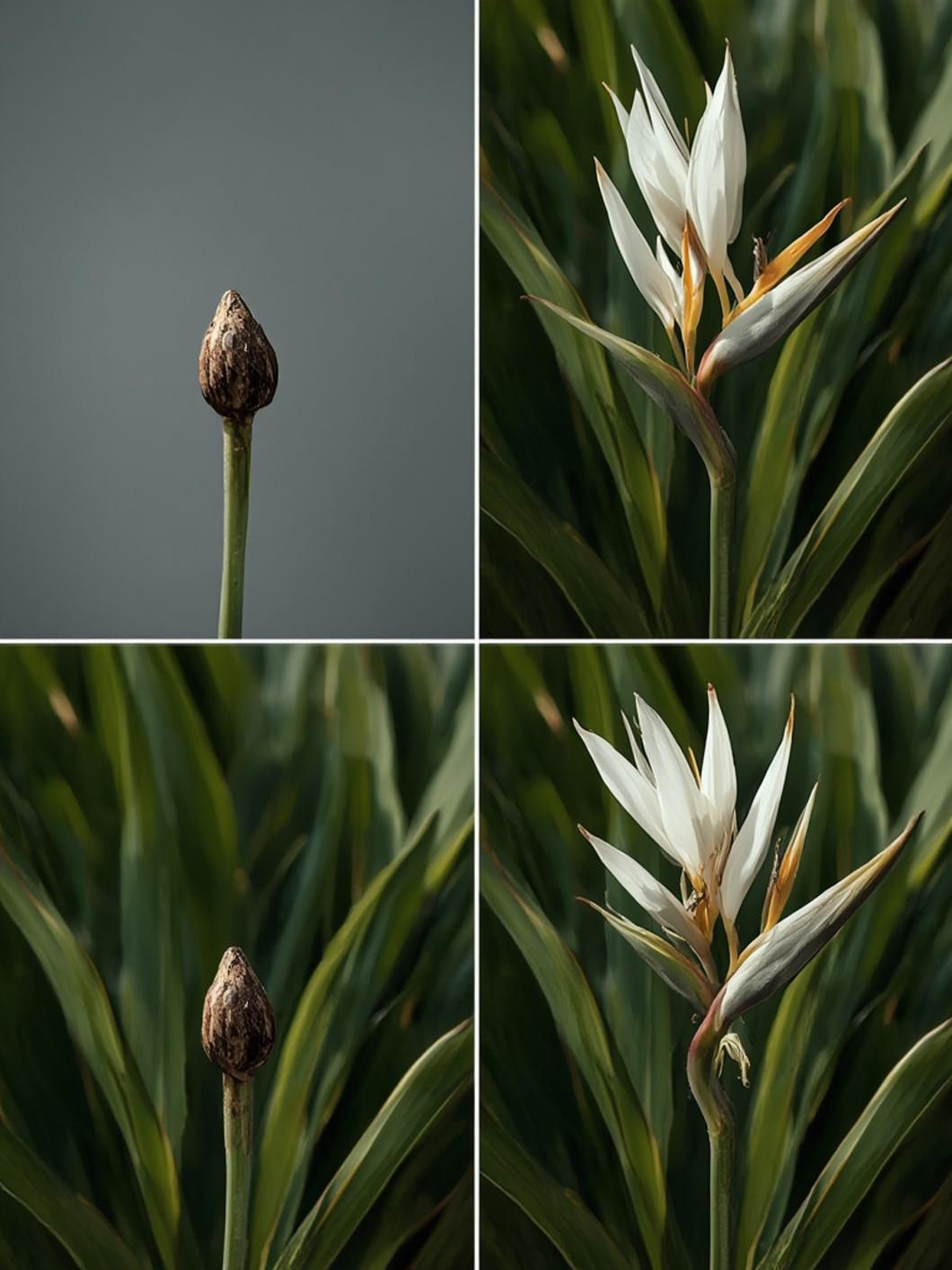
Bird of paradise plants are slow-growing specimens that require patience. When grown from seed, they may take 3-5 years to flower. Here’s what to expect:
- Germination period: 1-3 months when seeds are kept at 70-80°F
- Early growth stage: First 6-12 months, focusing on root development
- Juvenile period: 1-3 years, developing foliage but not flowering
- Maturity and flowering: 3-5 years from seed (White Bird of Paradise generally flowers earlier than Giant varieties)
- Optimal planting time: Spring or early summer when temperatures are warm
Step-by-Step Instructions
1. Select the right variety: Choose between the White Bird of Paradise (Strelitzia nicolai) for dramatic foliage or the Giant Bird of Paradise (Strelitzia augusta) for a truly impressive specimen.
2. Prepare the container: Fill your pot with well-draining soil mix, leaving 1-2 inches of space at the top.
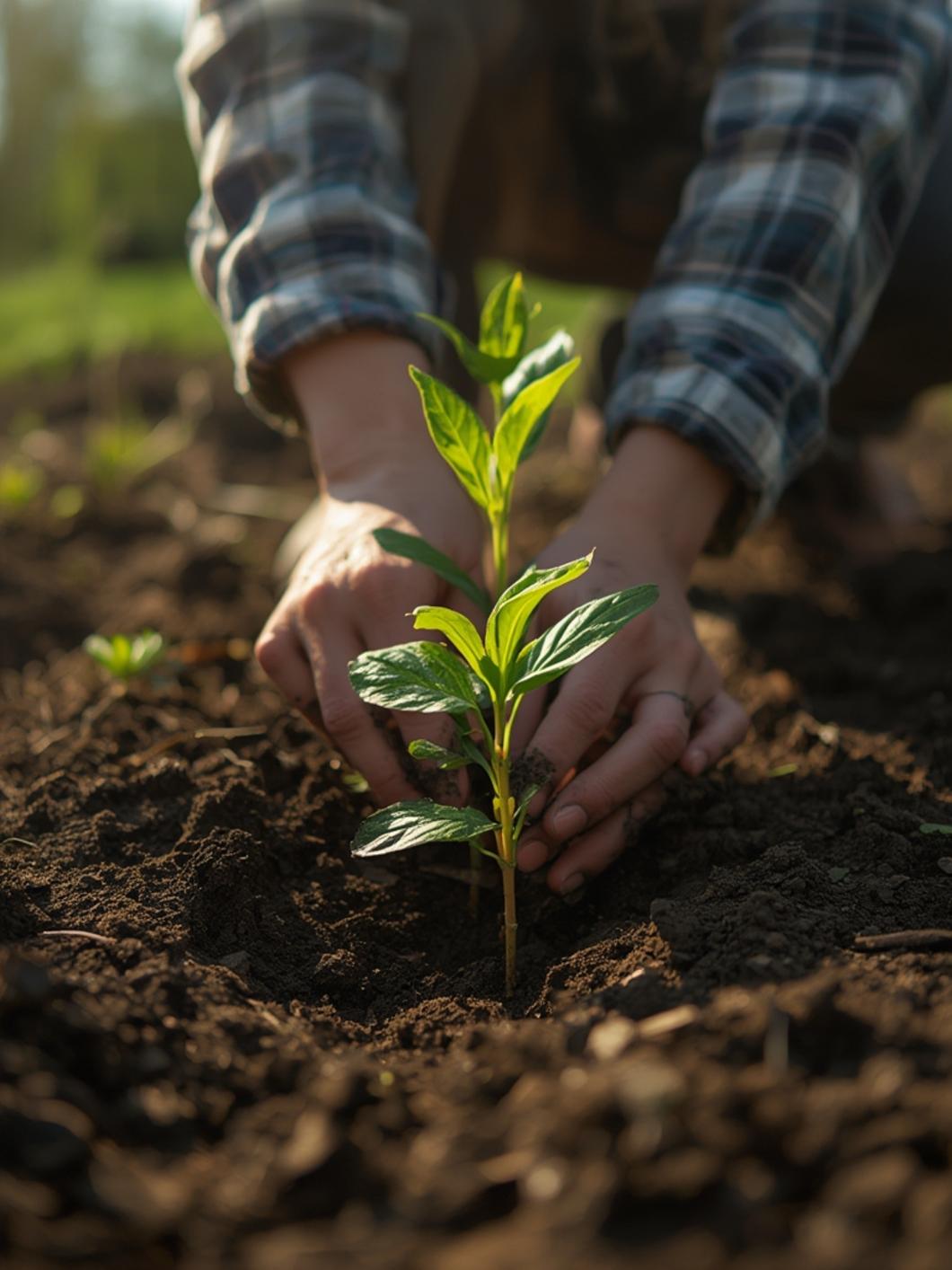
3. Plant properly: Position your plant at the same depth as its nursery container, gently spreading out the roots.
4. Find the perfect location: Place in bright, indirect light with some morning sun. Shield from harsh afternoon rays to prevent leaf burn.
5. Watering routine: Keep soil consistently moist but not soggy during growing season. Allow the top 1-2 inches to dry between waterings.
6. Fertilize appropriately: Apply slow-release fertilizer in spring and summer, following package instructions for dosage.
7. Maintain humidity: Mist leaves regularly or use a pebble tray filled with water beneath the pot for indoor plants.
8. Rotate periodically: Turn the container every few weeks to ensure even growth and prevent leaning.
Nutritional Benefits / Advantages
These plants offer significant benefits beyond their beauty:
- Air purification: They effectively filter indoor air pollutants
- Stress reduction: Studies show that tropical plants can lower stress and anxiety levels
- Humidity improvement: They naturally increase air moisture, beneficial for respiratory health
- Long lifespan: With proper care, they can thrive for decades
- Value increase: Mature specimens can significantly increase property value
Tips, Alternative Methods, or Gardening Advice
- Container versatility: Use decorative pots that complement your décor, ensuring they have drainage
- Indoor positioning: Keep away from air conditioning vents and cold drafts
- Outdoor growth zones: Thrives outdoors year-round in USDA zones 9-11
- Division technique: Propagate by carefully dividing rhizomes during repotting
- Winter care: Reduce watering in colder months when growth naturally slows
Common Mistakes to Avoid
- Overwatering: The most common killer of bird of paradise plants. Let soil dry slightly between waterings.
- Insufficient light: Leads to leggy growth and poor flowering. Provide bright, indirect light.
- Cramped containers: Restricts growth and can cause root binding. Repot every 2-3 years.
- Inconsistent care: Sudden changes in environment can cause stress. Maintain consistent conditions.
- Premature division: Dividing plants too young or too frequently can stunt growth and delay flowering.
Storage / Maintenance Tips
- Leaf cleaning: Wipe leaves monthly with a damp cloth to remove dust and enhance appearance
- Pruning regimen: Remove damaged or yellowing leaves at the base with clean shears
- Winter maintenance: Move outdoor containers inside when temperatures drop below 50°F
- Repotting schedule: Repot every 2-3 years in spring, or when roots become visible at drainage holes
- Pest monitoring: Check regularly for spider mites and scale insects, treating promptly with insecticidal soap
Conclusion
Growing a White Bird of Paradise or Giant Bird of Paradise requires patience and attention to detail, but the reward is a stunning, architectural plant that brings tropical elegance to any space. By following the guidelines in this guide, you’ll be well-equipped to nurture these magnificent plants from juvenile specimens to mature, flowering beauties. Remember that consistency is key—providing the right light, water, and care will ensure your bird of paradise thrives for years to come. We’d love to hear about your experience growing these majestic plants—share your success stories or questions in the comments below!
FAQs
How often should I water my Bird of Paradise plant?
Allow the top 1-2 inches of soil to dry between waterings. This typically means watering once every 1-2 weeks, depending on your climate and season.
Why isn’t my Bird of Paradise flowering?
These plants typically need 3-5 years of maturity before flowering. Ensure it receives enough light, proper fertilization, and is slightly root-bound to encourage blooming.
Can I grow Bird of Paradise plants in cold climates?
Yes, but they must be kept as indoor plants and moved outdoors only during warm months. Protect from temperatures below 50°F.
How big will my Bird of Paradise plant get?
White Bird of Paradise can reach 6-7 feet tall indoors and up to 20 feet outdoors. Giant varieties can grow even larger, reaching up to 30 feet in optimal conditions.
Is Bird of Paradise toxic to pets?
Yes, these plants contain toxic compounds that can cause mild to moderate symptoms if ingested by pets. Keep them out of reach of curious animals.