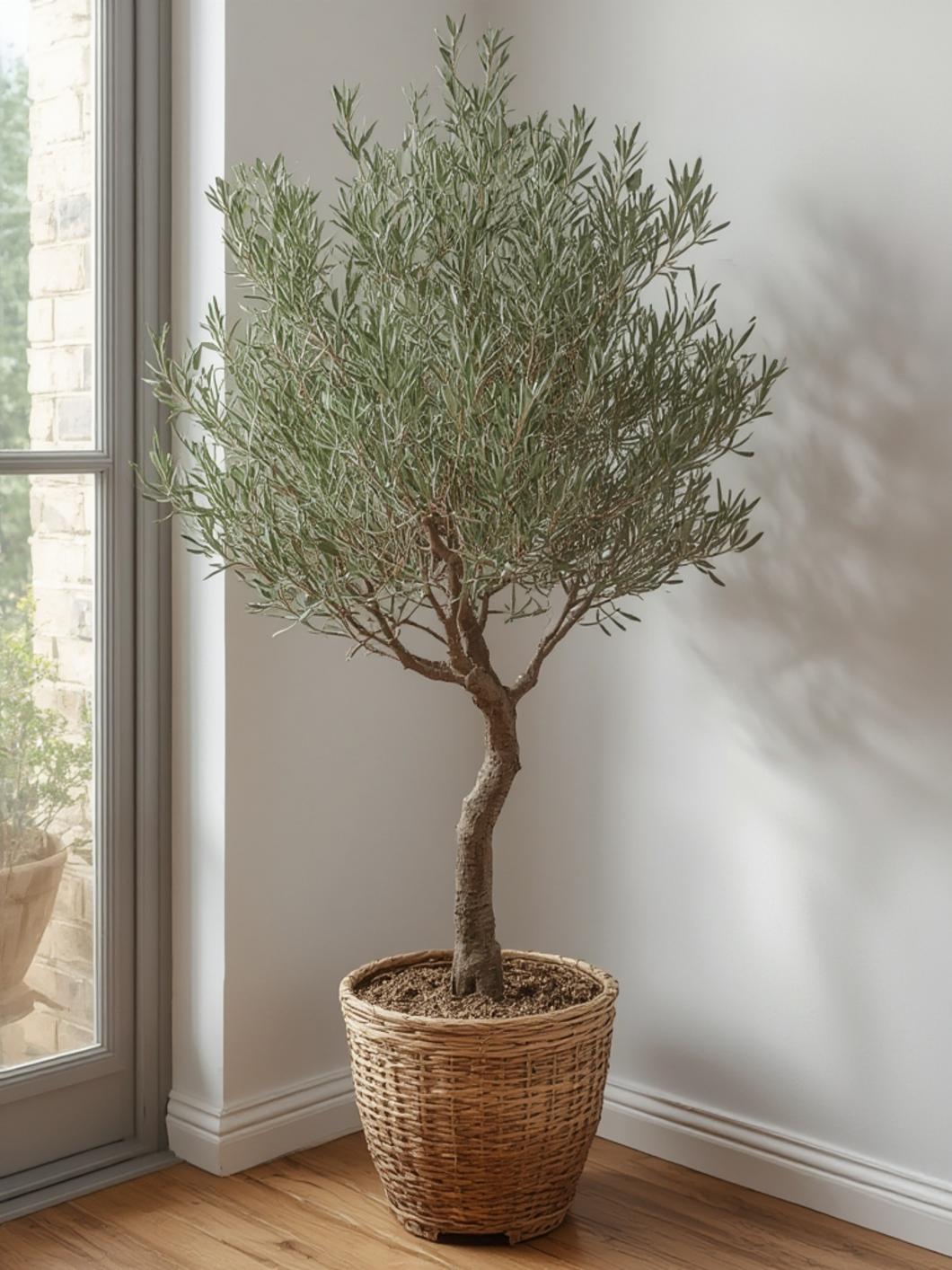
Have you ever dreamed of bringing the Mediterranean charm into your home with an elegant Indoor Olive Tree ? These stunning trees not only add a touch of sophistication to any space but also provide a rewarding gardening experience. With proper Olive Tree Care ,
you can cultivate a healthy, long-living specimen that might even reward you with olives over time. This guide will walk you through everything you need to know about nurturing these beautiful trees within your home.
Table of Contents
Growing Your Own Indoor Olive Tree: A Complete Guide
Materials & Supplies
To successfully grow an olive tree indoors, you’ll need:
1. Young olive tree sapling – Look for varieties like Arbequina, Koroneiki, or Picholine that adapt well to container growing
2. Large container (at least 12-16 inches in diameter) with drainage holes
3. Well-draining potting mix – Mix regular potting soil with perlite and sand for ideal drainage
4. Small pebbles for drainage layer
5. Slow-release fertilizer specifically for Mediterranean plants or citrus trees
6. Pruning shears – Keep them clean and sharp
7. Watering can with a narrow spout for controlled watering
8. Spray bottle for misting leaves
9. Plant saucer to catch excess water
10. Grow light (optional for low-light environments)
Timing / Growing Schedule
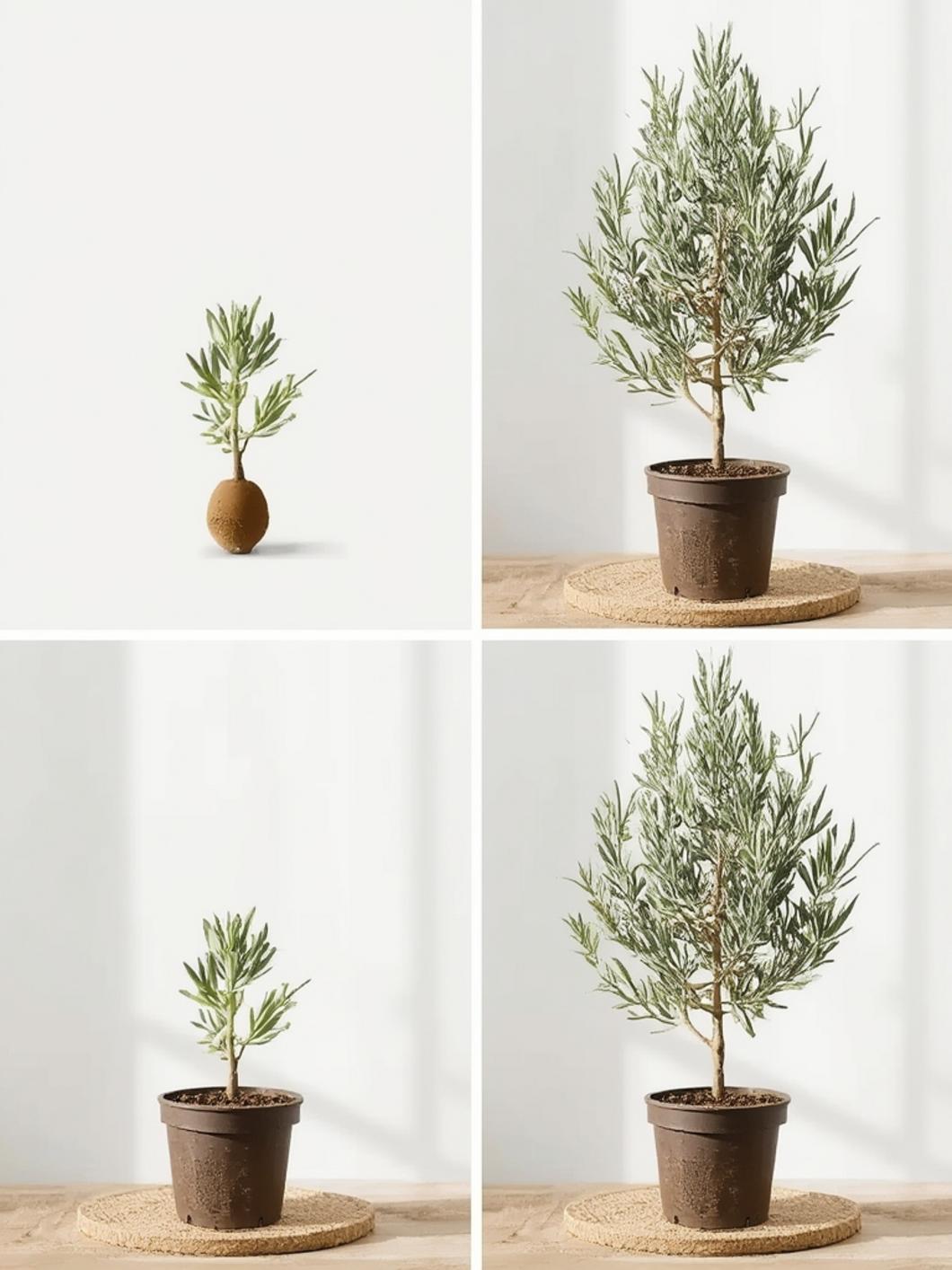
Olive trees are slow-growing perennials that follow a distinct annual cycle:
- Spring (March-May): Active growth period; best time for repotting or purchasing a new tree
- Summer (June-August): Peak growing season; provide maximum sunlight
- Fall (September-November): Fruit development (if pollinated); reduce watering
- Winter (December-February): Semi-dormant period; minimal watering needed
Unlike fast-growing houseplants, olive trees typically grow only 2-4 inches per year indoors. Patience is essential – a mature indoor specimen can take 3-5 years to develop its characteristic appearance.
Step-by-Step Instructions
1. Choose the right location – Select a spot that receives at least 6 hours of direct sunlight daily, preferably a south-facing window. Your Indoor Olive Tree will thrive with proper placement.
2. Prepare the container – Place a layer of pebbles at the bottom for drainage, then add your soil mix, leaving about 1 inch of space below the rim.
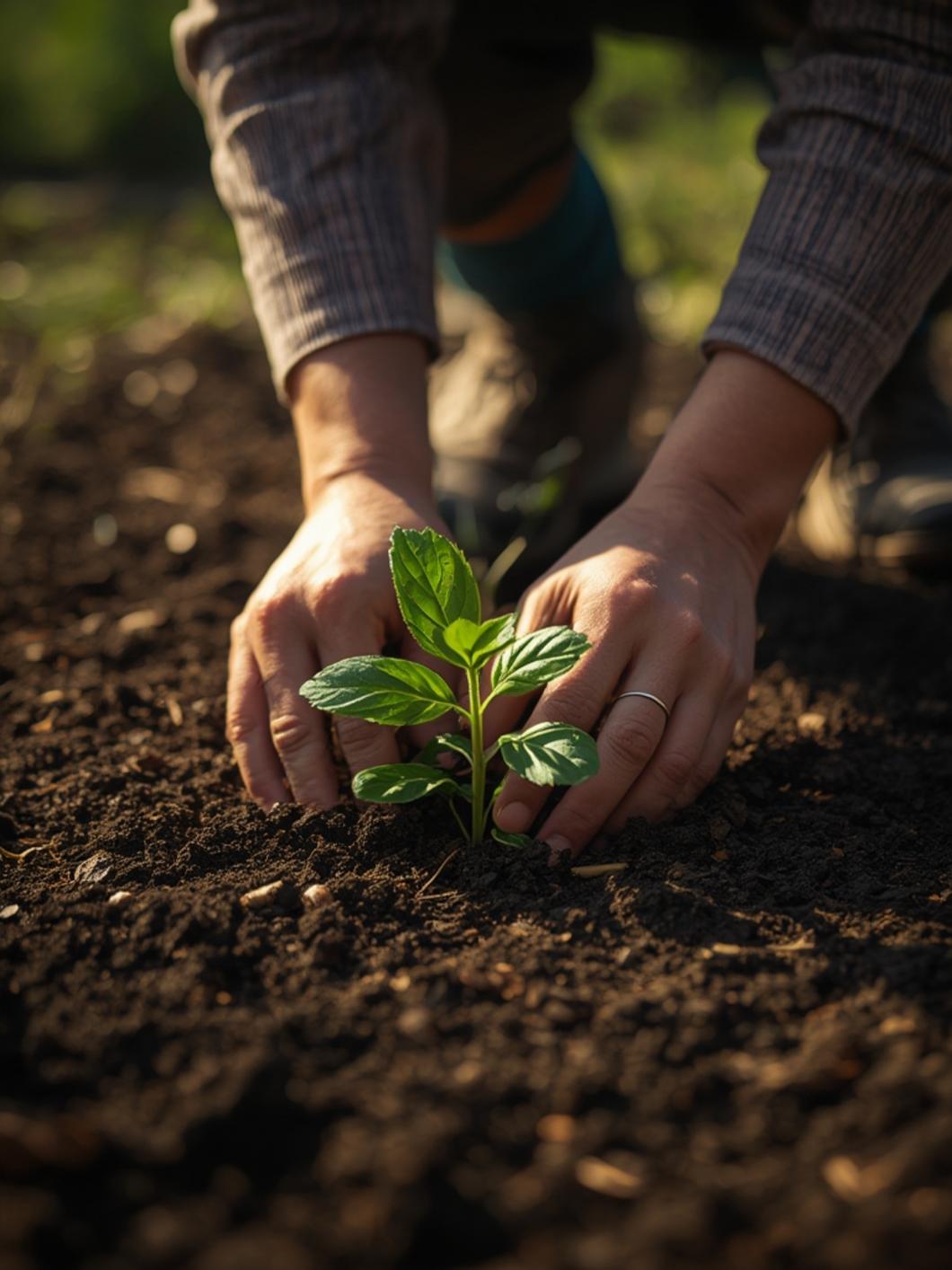
3. Plant your olive tree – Remove it from the nursery container, gently loosen the root ball, and place it in the new pot. The top of the root ball should sit slightly below the soil surface.
4. Water thoroughly – After planting, water until it drains from the bottom holes. Allow the soil to dry out between waterings to prevent root rot.
5. Establish a Olive Tree Care routine – Water only when the top 2 inches of soil feel dry, mist leaves weekly to increase humidity, and fertilize lightly during spring and summer.
6. Prune strategically – In early spring, remove any dead branches and shape the tree to maintain its size and form.
Nutritional Benefits / Advantages
Indoor olive trees offer numerous benefits:
- Air purification – They naturally filter indoor air pollutants
- Stress reduction – Studies show that indoor plants can lower stress and improve mood
- Longevity symbol – Olive trees represent peace, wisdom, and longevity
- Potential fruit production – With proper care and pollination, indoor trees can produce small olive harvests
- Increased humidity – Transpiration helps maintain healthier indoor air moisture levels
- Aesthetic value – Their silvery-green foliage adds sophisticated texture to interior design
Tips, Alternative Methods, or Gardening Advice
- Rotate regularly – Turn your tree a quarter turn weekly to ensure even growth
- Summer vacation – Move your tree outdoors during warm months for accelerated growth
- Bonsai technique – With careful pruning, olive trees can be maintained as decorative bonsai specimens
- Humidity trays – Place the container on a tray filled with pebbles and water to increase humidity
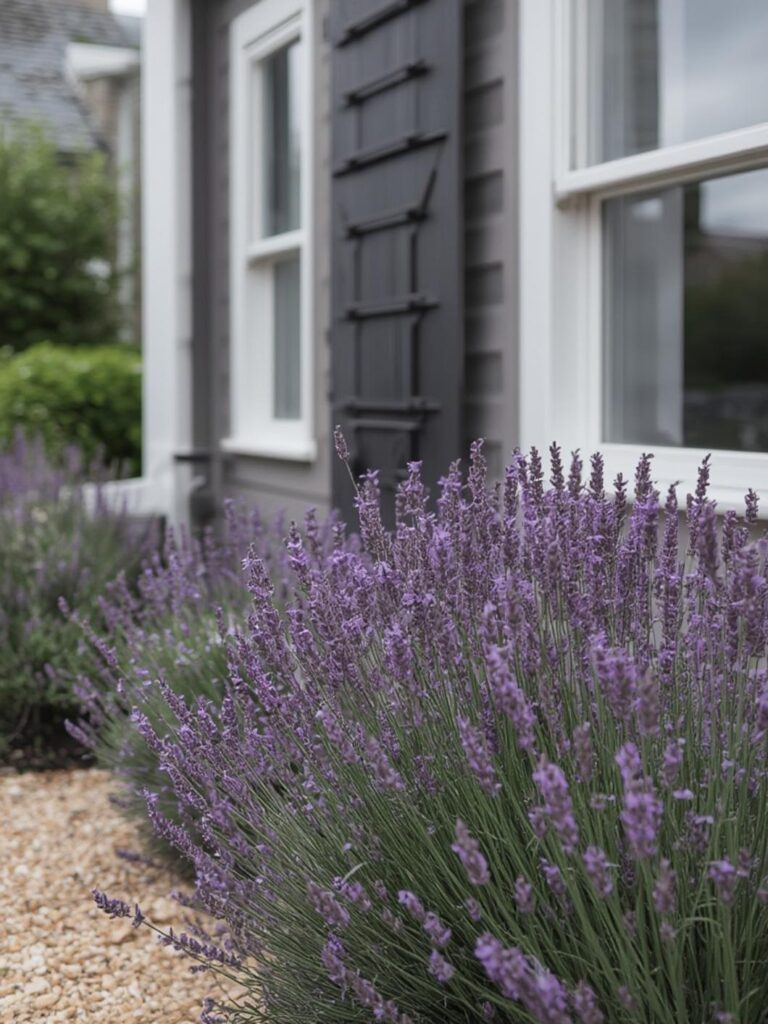
- Companion planting – Group with other Mediterranean herbs like rosemary or lavender for a themed display
Common Mistakes to Avoid
1. Overwatering – The most common killer of indoor olive trees; wait until soil is dry before watering again
2. Insufficient light – Without adequate sunlight, trees become leggy and weak
3. Using regular potting soil – Standard potting mixes retain too much moisture; always amend for better drainage
4. Forgetting to acclimate – When moving trees outdoors for summer, gradually introduce them to direct sunlight
5. Inconsistent care – Sudden changes in temperature, light, or watering routines can stress the tree
Storage / Maintenance Tips
- Repotting – Move to a slightly larger container every 2-3 years in early spring
- Leaf cleaning – Wipe leaves with a damp cloth monthly to remove dust and discourage pests
- Winter care – Reduce watering by half during winter months when growth slows
- Pest management – Watch for scale insects or spider mites; treat immediately with insecticidal soap
- Root pruning – If repotting into the same container, trim up to 1/3 of the roots to rejuvenate the tree
Conclusion
Growing an Indoor Olive Tree requires patience and attention, but the rewards are tremendous. With proper Olive Tree Care , your tree can become a cherished part of your home for decades to come. Start your Mediterranean gardening journey today, and you’ll enjoy not just a beautiful houseplant, but a living connection to thousands of years of cultivation history. Share your olive tree growing experiences in the comments below, or check out our other indoor gardening guides for more inspiration!
FAQs
How often should I water my indoor olive tree?
Allow the top 2 inches of soil to dry out completely between waterings. This typically means watering every 1-2 weeks, depending on your home’s humidity and temperature.
Can indoor olive trees produce fruit?
Yes, but it’s challenging. Indoor trees need adequate light, proper pollination, and maturity (usually 3-5 years old) before producing fruit. Even then, yields will be smaller than outdoor trees.
Why are my olive tree’s leaves turning yellow?
Yellowing leaves usually indicate overwatering. Ensure your pot has proper drainage and allow soil to dry between waterings. It could also signal nutrient deficiencies, particularly nitrogen.
How tall will my indoor olive tree grow?
With proper pruning, indoor olive trees can be maintained at 3-6 feet tall. Without pruning, they may eventually outgrow indoor spaces, reaching 8-10 feet, though this takes many years.
Can olive trees survive in low light conditions?
They’ll survive but won’t thrive. In low light, growth slows dramatically, and trees become sparse and leggy. Consider supplemental grow lights if you can’t provide at least 6 hours of direct sunlight.