Have you ever wondered how to grow your own crisp, peppery radishes right in your backyard or even on your windowsill? Growing radishes is one of the most rewarding experiences for beginner gardeners, offering quick results with minimal effort. The easy radish seeds make them perfect for impatient gardeners or children’s projects, as they sprout quickly and can be harvested in as little as three weeks.
Table of Contents
With the right approach to easy radish seed planting, you’ll enjoy fresh, nutritious vegetables that taste far superior to store-bought options while saving money on your grocery bill.
Materials & Supplies
To start your radish growing journey, you’ll need:
- Radish seeds (Cherry Belle, French Breakfast, or White Icicle varieties are great for beginners)
- Well-draining garden soil or potting mix
- Garden space, raised bed, or containers (at least 6 inches deep)
- Garden trowel or small shovel
- Watering can with gentle spray nozzle
- Plant markers or popsicle sticks for labeling
- Fine-mesh garden netting (optional, for pest protection)
- Organic fertilizer (optional, but beneficial for container growing)
- Garden gloves (optional)
- Ruler or measuring tape (for proper seed spacing)
Timing / Growing Schedule
Radishes are cool-season crops that perform best in spring and fall. Their impressive growth timeline includes:
- Germination: 3-7 days after planting
- Growth period: 3-5 weeks total (depending on variety)
- Harvest time: When roots reach 1-1.5 inches in diameter
For continuous harvests, sow new seeds every 7-10 days throughout the growing season. Most radish varieties can be planted as soon as soil can be worked in spring (soil temperature around 40°F) and again in late summer for fall harvests. Avoid planting during hot summer months when temperatures exceed 80°F, as this causes radishes to bolt (produce flowers) and develop a bitter taste.
Step-by-Step Instructions
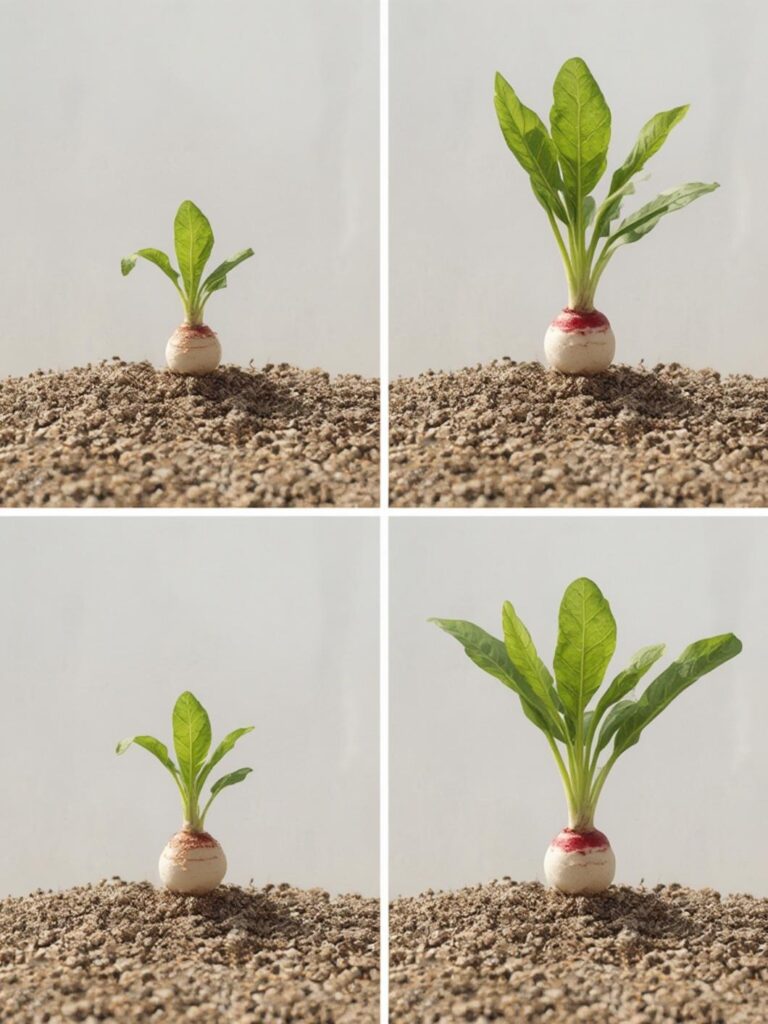
1. Prepare your growing area: Loosen soil to a depth of 6-8 inches, removing rocks and breaking up clumps. For containers, ensure proper drainage holes.
2. Create planting rows: Make shallow furrows about ¼-½ inch deep, spaced 4-6 inches apart.
3. Sow the seeds: With easy radish seeds, you don’t need to be too precise. Sprinkle them along the furrows about ½ inch apart. For beginners, mixing seeds with a bit of sand can help with even distribution.
4. Cover lightly: Gently cover seeds with ¼ inch of soil, then lightly firm the surface.
5. Water thoroughly: Use a gentle spray to avoid displacing seeds, keeping the soil consistently moist but not waterlogged.
6. Thin seedlings: Once seedlings emerge with their first true leaves, thin them to 1-2 inches apart to prevent overcrowding, which leads to small or misshapen roots.
7. Maintain moisture: Keep soil consistently moist throughout the growing period for tender, crisp radishes.
The easy radish seed planting process makes this an ideal project for gardening novices and children who enjoy quick results.
Nutritional Benefits / Advantages
Homegrown radishes offer impressive nutritional value, containing:
- High levels of vitamin C for immune support
- Good source of potassium for heart health
- Rich in antioxidants that fight inflammation
- Dietary fiber for digestive health
- Low in calories (about 16 calories per cup)
Growing your own ensures you get the freshest produce with maximum nutritional value while avoiding pesticides used in commercial farming.
Tips, Alternative Methods, or Gardening Advice
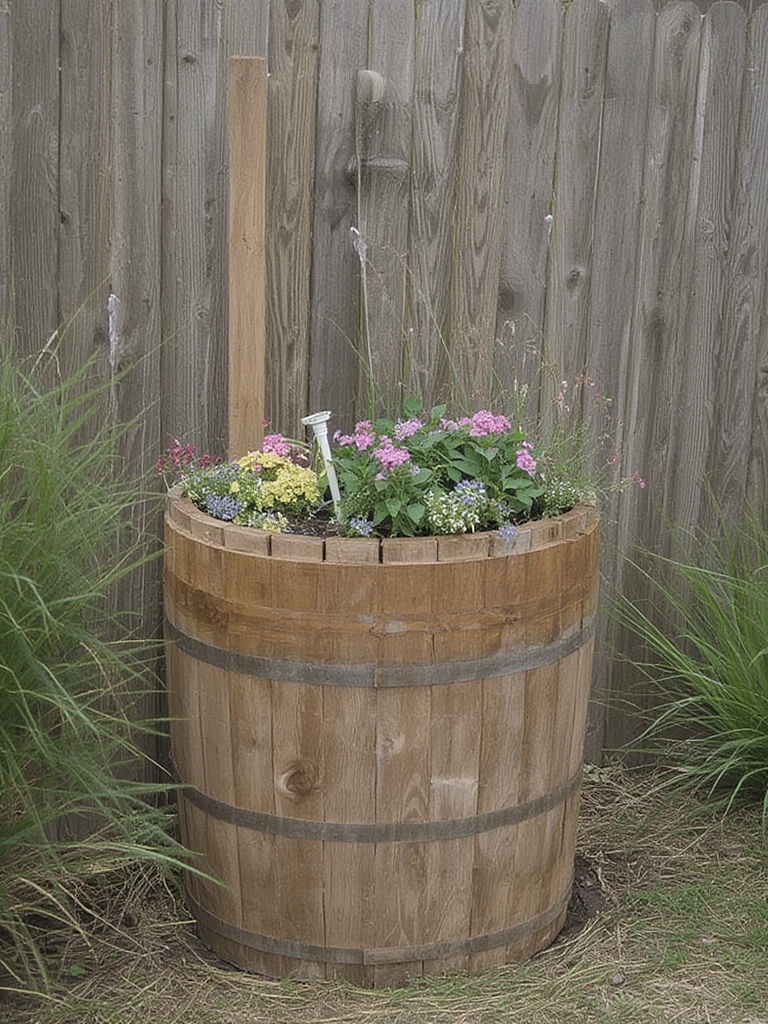
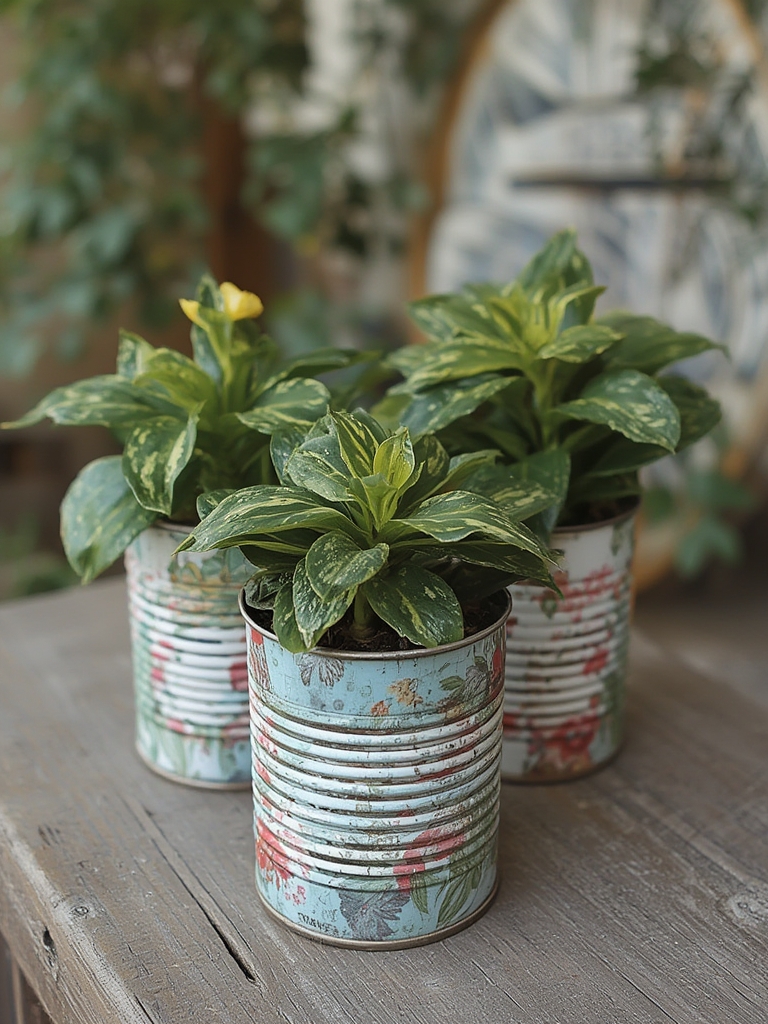
- Container growing: Radishes thrive in containers at least 6 inches deep. Use window boxes, buckets, or even recycled milk jugs with drainage holes.
- Companion planting: Plant radishes alongside carrots, lettuce, or spinach but avoid growing with hyssop or kohlrabi.
- Succession planting: Sow small batches every 7-10 days rather than all at once for continuous harvests.
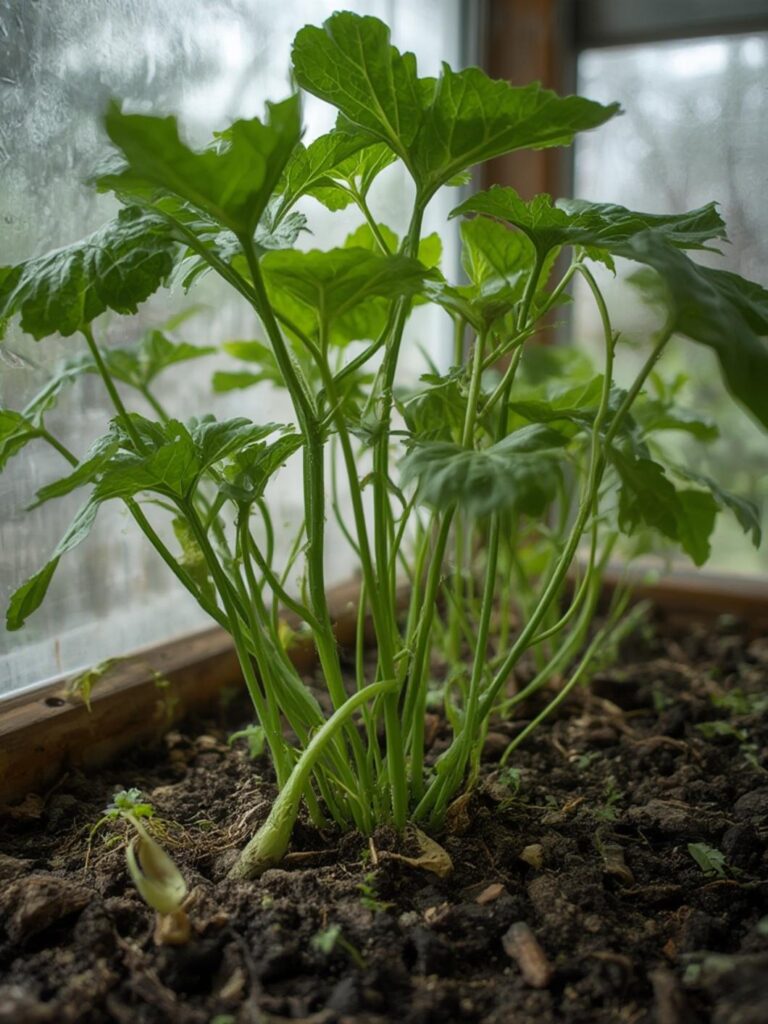
- Indoor growing: Grow radishes on sunny windowsills during winter months when outdoor gardening isn’t possible.
- Interplanting: Plant radishes between slower-growing vegetables to maximize garden space.
Common Mistakes to Avoid
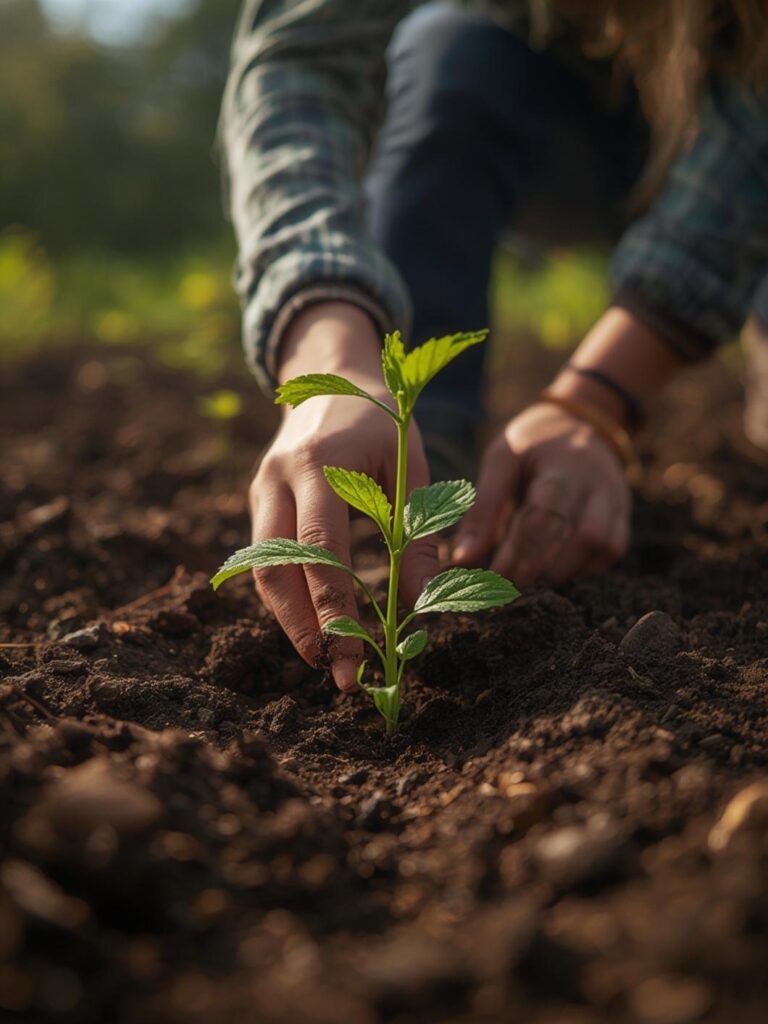
1. Overcrowding: Failing to thin seedlings leads to small, misshapen roots. Ensure proper spacing of 1-2 inches between plants.
2. Inconsistent watering: Fluctuating between dry and wet conditions causes splitting and woody texture. Maintain even moisture.
3. Planting too deep: Seeds planted deeper than ½ inch may not germinate properly. Keep planting depth shallow.
4. Growing in hot weather: Radishes planted in summer heat become pithy and bitter. Stick to cooler spring and fall seasons.
5. Neglecting soil quality: Poor soil produces poor radishes. Incorporate compost before planting for best results.
Storage / Maintenance Tips
After harvesting, remove radish tops (which can be used in salads or stir-fries) and store unwashed roots in a perforated plastic bag in the refrigerator for up to two weeks. For ongoing garden care:
- Keep soil consistently moist throughout the growing season
- Weed regularly to reduce competition for nutrients
- Watch for flea beetles and apply organic pest control if needed
- Harvest promptly when radishes reach mature size to prevent them from becoming pithy
Conclusion
Growing radishes is the perfect entry point into vegetable gardening, offering quick satisfaction with minimal investment. The easy radish seeds and their rapid growth make the experience particularly rewarding for beginners and children. By following these simple guidelines for easy radish seed planting, you’ll enjoy crisp, flavorful vegetables that taste better than anything store-bought. Why not start your radish garden this weekend? We’d love to hear about your radish growing experiences in the comments below!
FAQs
How long does it take for radishes to grow?
Most varieties are ready to harvest 21-30 days after planting, making them one of the quickest garden vegetables.
Can I grow radishes indoors?
Yes, radishes grow well indoors in containers at least 6 inches deep placed near a sunny window or under grow lights.
Why are my radishes splitting?
Splitting usually results from inconsistent watering or sudden heavy rainfall after dry conditions. Keep soil evenly moist to prevent this issue.
Can I eat radish greens?
Absolutely! Radish tops are edible and nutritious, with a slightly peppery flavor. Use them in salads, smoothies, or sauté them like spinach.
Do radishes need fertilizer?
Radishes generally don’t need much fertilizer in good garden soil. In containers, use a balanced organic fertilizer at half strength to avoid excessive leaf growth at the expense of root development.