Have you ever dreamed of a garden bursting with those iconic yellow blooms that seem to radiate sunshine? Growing easy sunflowers at home is one of the most rewarding gardening projects for beginners and experienced gardeners alike.
Table of Contents
With their cheerful appearance and relatively straightforward care requirements, sunflowers make an excellent choice for anyone looking to add vibrant color to their outdoor space. Following the right sunflower growing tips can ensure your plants thrive and produce those magnificent blooms that everyone loves. Let’s explore how to successfully grow these golden beauties in your garden.
Materials & Supplies
To get started with your sunflower garden, gather these essential items:
– Sunflower seeds (choose varieties based on desired height and bloom size)
– Quality potting soil or garden soil amended with compost
– Garden gloves
– Garden trowel or small shovel
– Watering can or garden hose with gentle spray attachment
– Plant markers or stakes
– Organic fertilizer (low in nitrogen)
– Mulch (straw, wood chips, or dried leaves)
– Wire fencing or stakes (for supporting taller varieties)
– Pruning shears (for harvesting)
Optional supplies include bird netting (to protect seeds from birds), seed-starting trays (for starting indoors), and a pH testing kit to ensure optimal soil conditions.
Timing / Growing Schedule
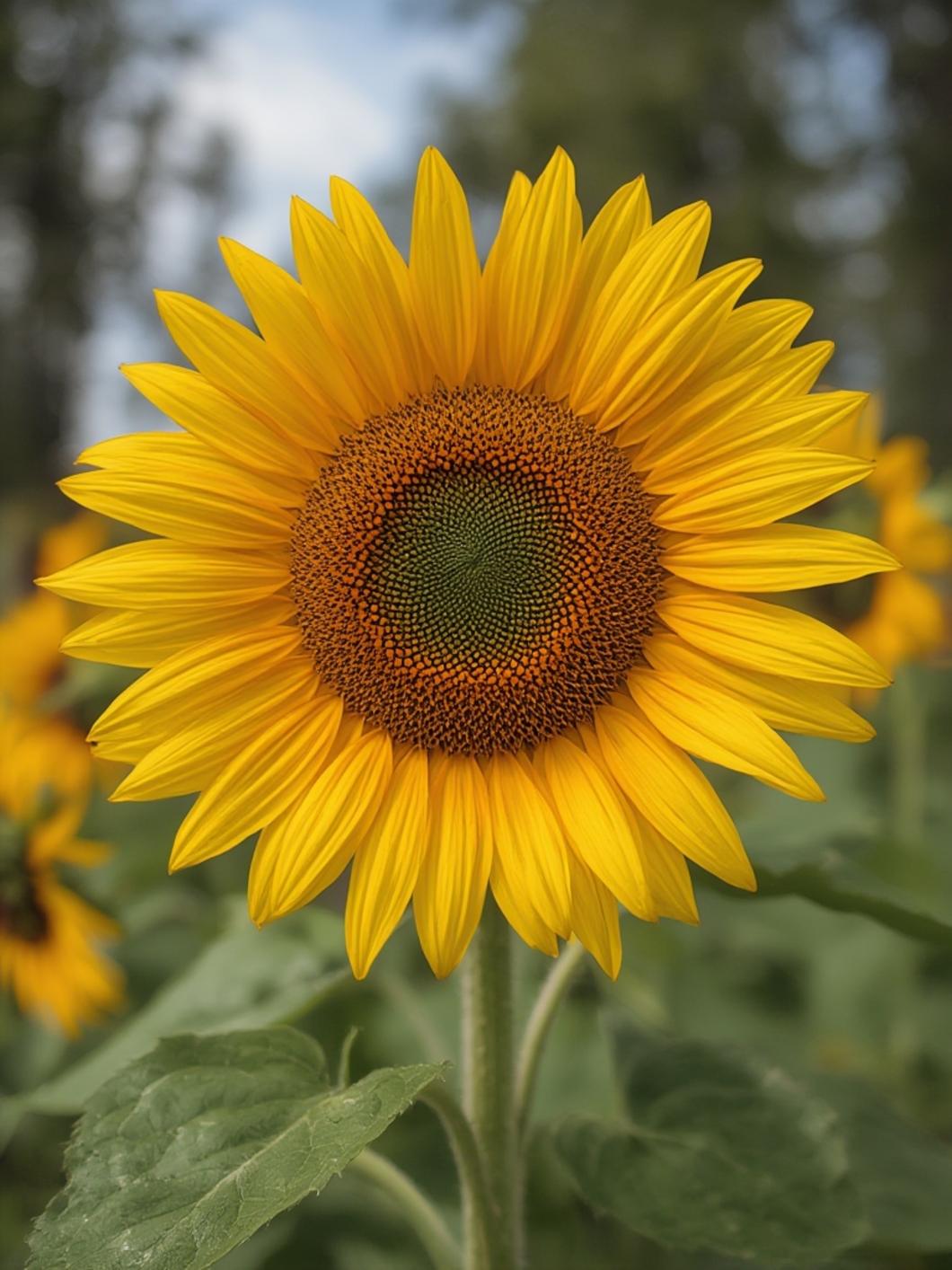
Sunflowers are warm-season annual plants with a relatively quick growth cycle:
– Preparation time: 1-2 hours for soil preparation and planting
– Germination period: 7-10 days after planting
– Growth to maturity: 70-100 days depending on variety
– Blooming period: 2-3 weeks
For best results, plant sunflower seeds directly in the garden after all danger of frost has passed and soil temperatures reach at least 50°F (10°C). In most regions, this means planting between April and June. For a continuous display, consider succession planting every 2-3 weeks throughout the growing season.
Step-by-Step Instructions
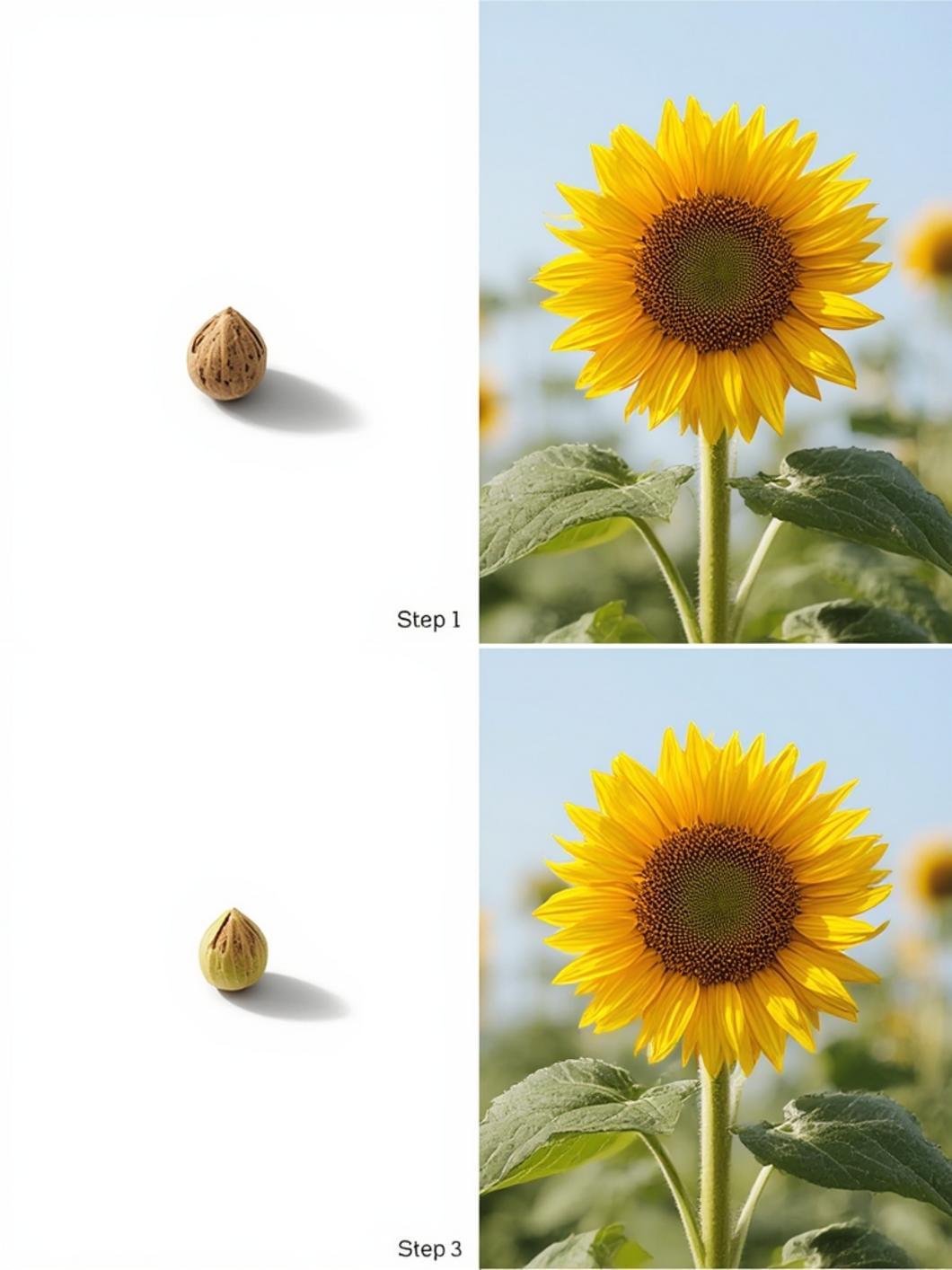
1. Select your planting location: Choose a spot that receives 6-8 hours of direct sunlight daily. Sunflowers are called such for a reason – they need abundant sunshine!
2. Prepare the soil: Loosen the soil to a depth of 8-10 inches and mix in some compost. These easy sunflowers prefer well-draining, slightly acidic to neutral soil (pH 6.0-7.5).
3. Plant the seeds: Sow seeds 1 inch deep and 6 inches apart. For giant varieties, allow more space (up to 18-24 inches between plants).
4. Water thoroughly: Provide a deep initial watering to encourage strong root development. Keep the soil consistently moist until germination.
5. Thin seedlings: Once seedlings reach 6 inches tall, thin them to give each plant adequate space (12-18 inches for smaller varieties, 18-24 inches for larger ones).
6. Support tall varieties: When plants reach about 2 feet tall, install stakes or create a support system to prevent wind damage. This is especially important when following sunflower growing tips for varieties that reach 6+ feet.
7. Monitor for pests: Check regularly for common pests like aphids, caterpillars, or slugs, and address issues promptly with organic solutions.
Nutritional Benefits / Advantages
Sunflowers offer multiple benefits:
– The seeds are packed with vitamin E, B vitamins, protein, and healthy fats
– They’re excellent pollinator plants, attracting beneficial insects to your garden
– Sunflowers can help remediate soil by extracting toxins
– The cut flowers make spectacular, long-lasting arrangements
– Growing sunflowers with children teaches patience and plant science in an engaging way
Tips, Alternative Methods, or Gardening Advice
– Container growing: Choose dwarf varieties (2-3 feet tall) for containers at least 12-16 inches deep
– Companion planting: Grow with cucumbers, corn, or melons for mutual benefits
– Indoor start: In colder climates, start seeds indoors 2-4 weeks before the last frost date
– Natural pest control: Plant nasturtiums nearby to draw aphids away from your sunflowers
– Saving seeds: Allow flower heads to dry on the stalk before harvesting seeds for next year or for eating
Common Mistakes to Avoid
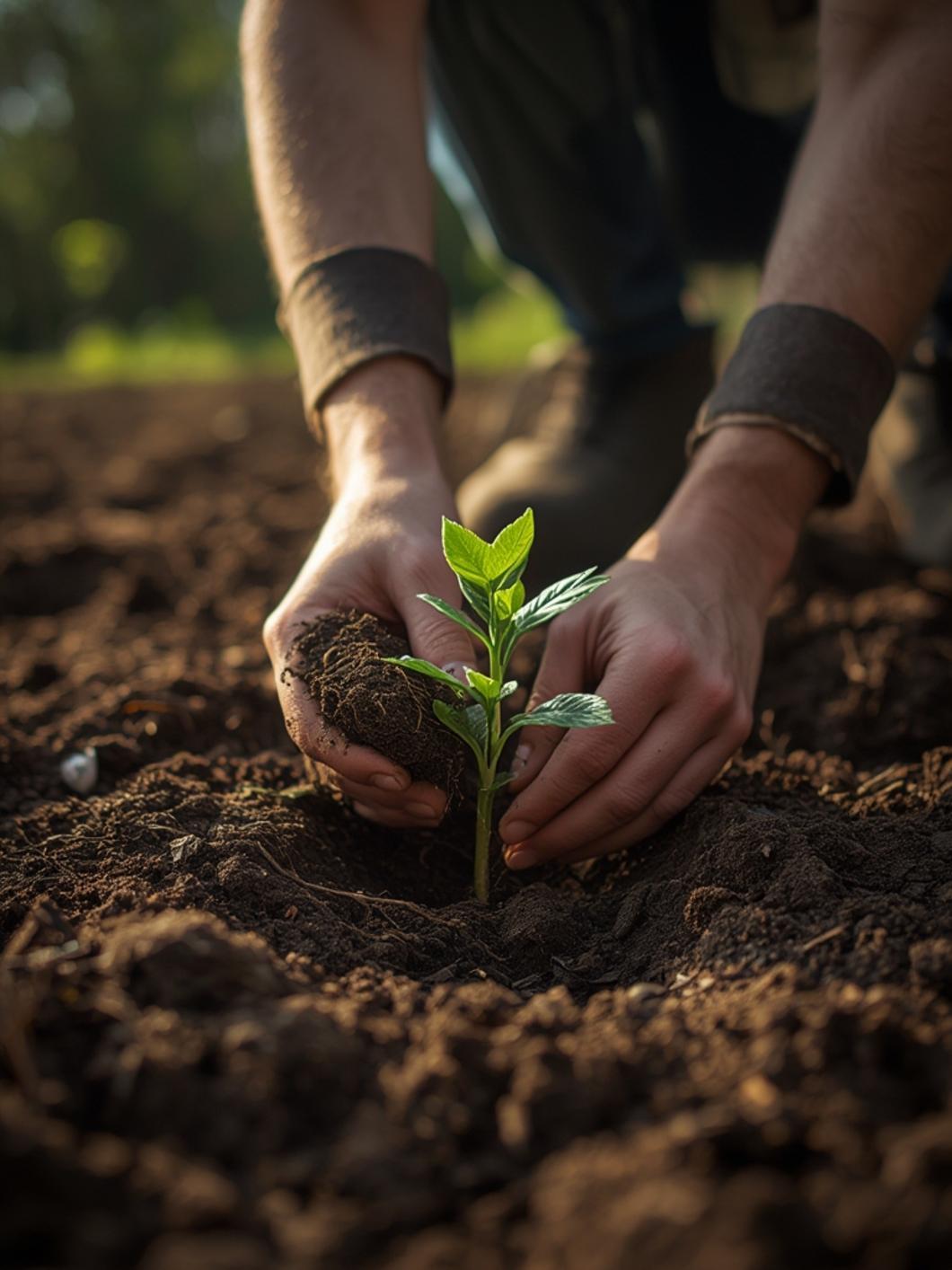
1. Overwatering: Once established, sunflowers are relatively drought-tolerant. Excessive water can lead to root rot.
2. Overcrowding: Failing to thin seedlings results in weak, spindly plants with smaller flowers.
3. Over-fertilizing: Too much nitrogen promotes lush foliage at the expense of flowers. Use a low-nitrogen, high-phosphorus fertilizer if needed.
4. Poor location: Insufficient sunlight leads to weak stems and reduced flowering.
5. Ignoring pests early: Address pest issues when they’re small to prevent major damage.
Storage / Maintenance Tips
– Water deeply but infrequently (about 1 inch per week) once plants are established
– Apply 2-3 inches of mulch around plants to retain moisture and suppress weeds
– Remove spent blooms to encourage additional flowering in branching varieties
– For seed saving, harvest heads when the back turns yellow-brown and seeds are plump
– Store harvested seeds in a cool, dry place in airtight containers after thoroughly drying
Conclusion
Growing easy sunflowers brings immense satisfaction with relatively little effort. The joy of watching these magnificent plants track the sun across the sky and eventually reveal their impressive blooms makes them a must-have in any garden. By following proper sunflower growing tips , even beginners can achieve spectacular results. Why not start planning your sunflower garden today? Whether you’re growing them for their beauty, for wildlife, or for harvesting seeds, sunflowers will brighten both your garden and your spirits.
FAQs
How tall do sunflowers typically grow?
Sunflower heights vary dramatically by variety, from dwarf types at 1-2 feet to mammoth varieties reaching 12-15 feet tall. Check seed packets for specific height information.
Do sunflowers really follow the sun?
Young sunflowers exhibit heliotropism, following the sun’s movement across the sky. Once the flower heads develop, most varieties permanently face east.
Can I grow sunflowers in partial shade?
While sunflowers can survive in partial shade (4-6 hours of sun), they perform best with full sun exposure. Shade-grown plants typically develop weaker stems and smaller blooms.
How do I prevent birds from eating my sunflower seeds?
Cover developing seed heads with mesh bags, lightweight fabric, or paper bags once the petals begin to wilt. Alternatively, plant extra for sharing with wildlife.
When is the best time to cut sunflowers for arrangements?
Harvest flowers in the early morning when stems are full of water. Cut when the flower is just beginning to open, with only a few petals starting to lift away from the center disk.