Have you ever dreamed of harvesting your own fresh, crisp zucchinis right from your backyard? Growing these versatile vegetables can be incredibly rewarding and surprisingly simple. For zucchini plants beginners, the journey from seed to harvest doesn’t need to be intimidating.
Table of Contents
With proper zucchini plant care knowledge, even novice gardeners can produce an abundance of this nutritious summer squash. Let’s explore how you can successfully cultivate this garden favorite with minimal effort and maximum results.
Materials & Supplies
To get started with your zucchini garden, gather these essential items:
- Seeds or seedlings: Choose high-quality zucchini seeds or starter plants from a reputable garden center.
- Garden soil: Nutrient-rich, well-draining soil with organic matter.
- Compost: To enrich your soil naturally.
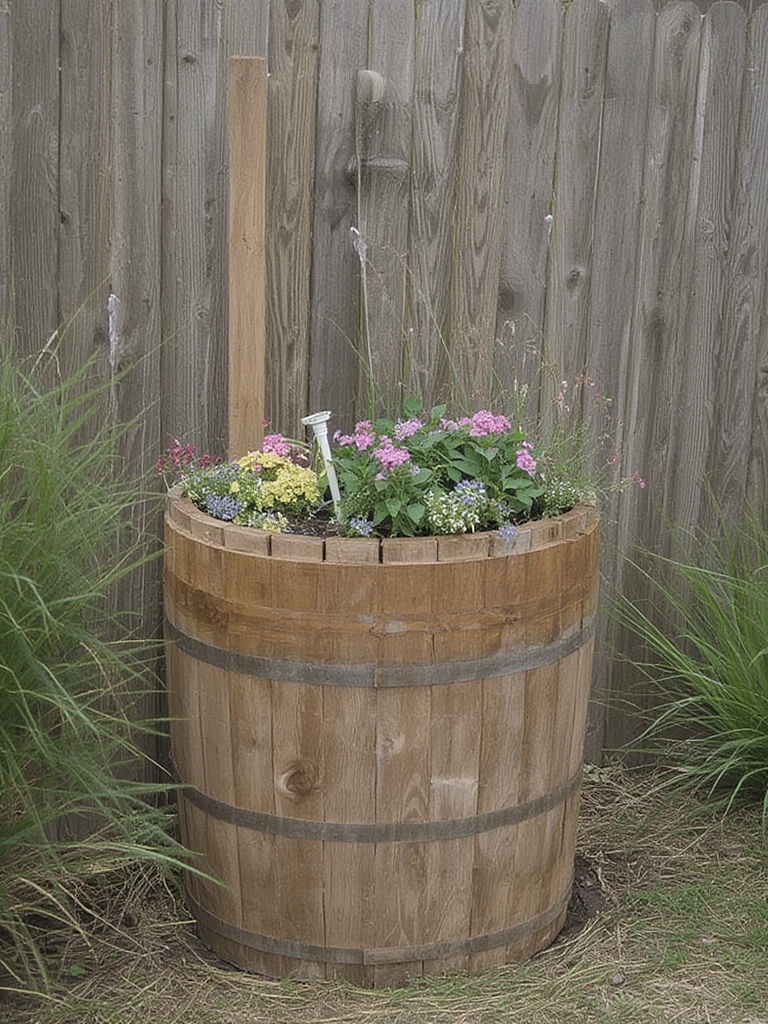
- Garden space or containers: At least 2-3 feet of space per plant or large containers (minimum 5-gallon size).
- Watering can or garden hose: For regular irrigation.
- Trellis or stakes: Optional for vertical growing to save space.
- Fertilizer: Balanced vegetable fertilizer (10-10-10).
- Mulch: Straw, wood chips, or leaves to retain moisture.
- Garden gloves: To protect your hands during planting and maintenance.
- Pruning shears: For harvesting and removing damaged leaves.
Timing / Growing Schedule
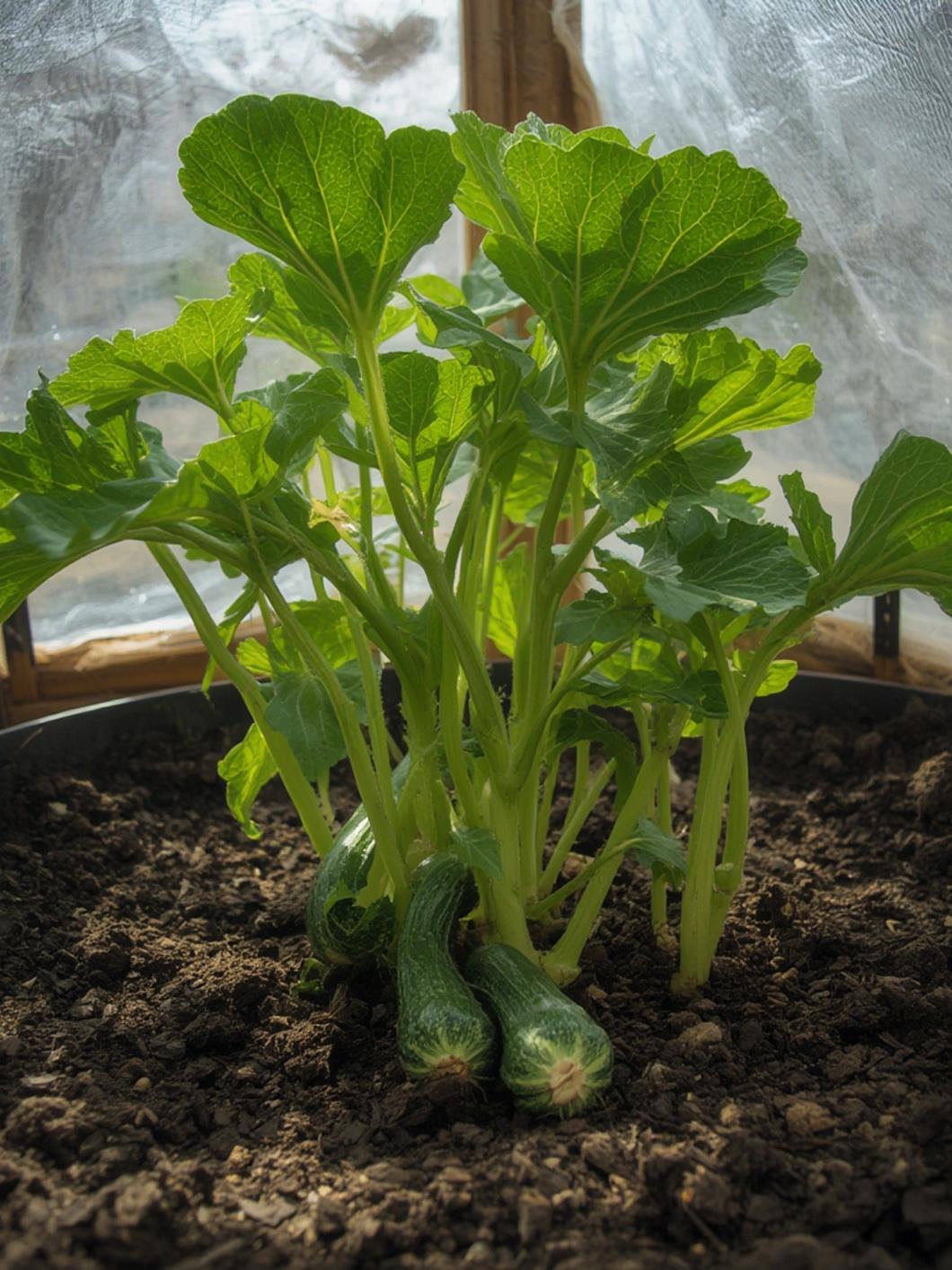
Zucchini thrives in warm weather and grows quickly once established:
- Seed starting: Begin seeds indoors 4-6 weeks before the last frost date.
- Outdoor planting: Transplant seedlings or direct-sow seeds when soil temperatures reach 70°F (typically 2-3 weeks after the last frost).
- Growth period: Expect 45-55 days from planting to first harvest.
- Harvest season: Most zucchini plants produce continually for 6-8 weeks during summer.
- Succession planting: Plant new seeds every 2-3 weeks for continuous harvests throughout the growing season.
Step-by-Step Instructions
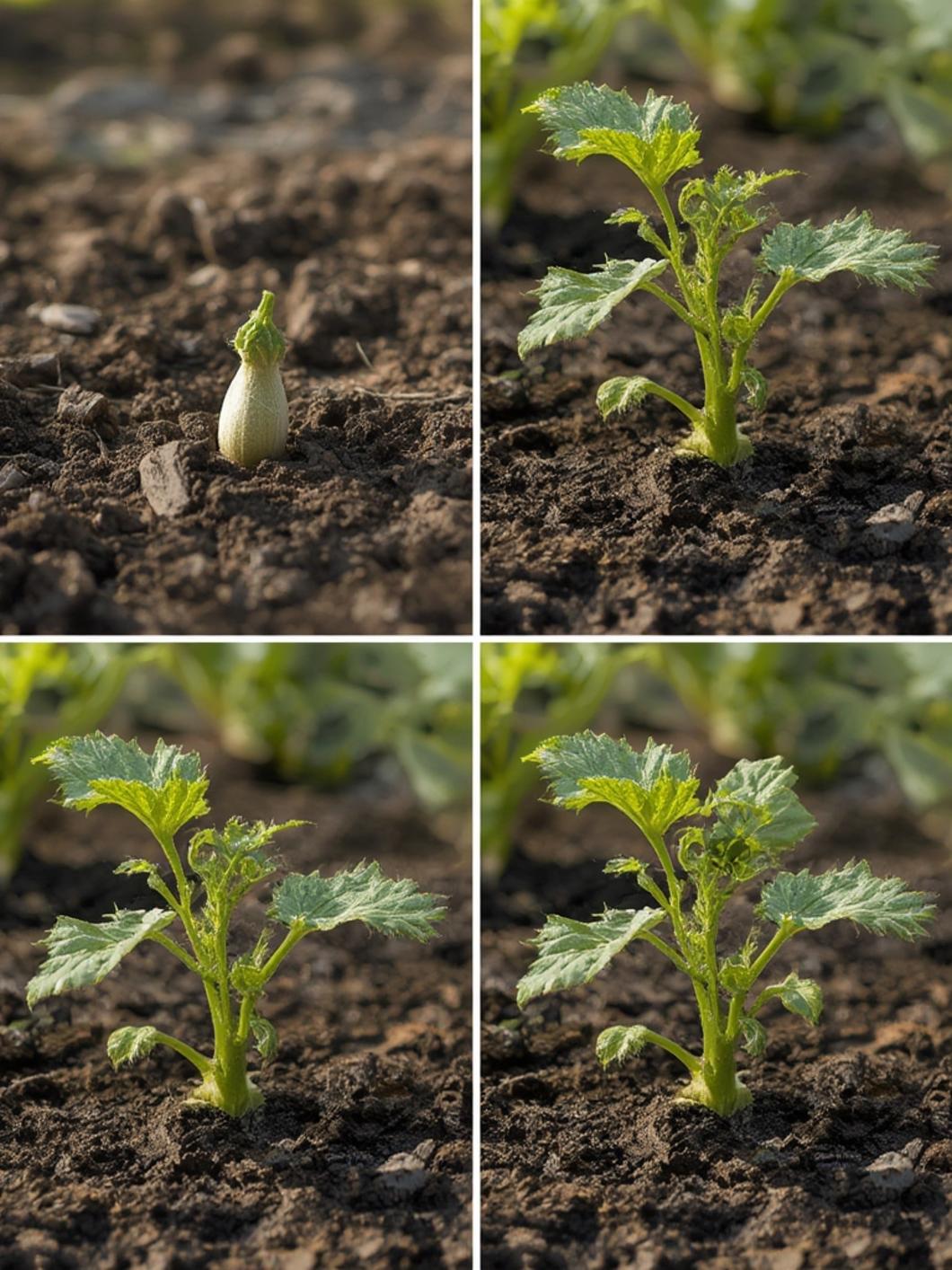
1. Prepare your garden bed: Choose a location that receives at least 6 hours of direct sunlight daily. Amend soil with compost to improve fertility and drainage.
2. Plant with proper spacing: Sow seeds 1 inch deep or transplant seedlings, maintaining 2-3 feet between plants. For zucchini plants beginners should remember that these plants need room to spread.
3. Water thoroughly: Provide consistent moisture, applying water at the base to avoid wetting leaves. Use a soaker hose for efficiency.
4. Apply mulch: Add a 2-3 inch layer of mulch around plants to retain moisture and suppress weeds.
5. Implement proper zucchini plant care: Monitor for pests regularly, especially looking under leaves where insects often hide.
6. Pollination assistance: If your garden lacks pollinators, hand-pollinate flowers in the morning by transferring pollen from male to female flowers using a small brush.
7. Harvest regularly: Pick zucchinis when they reach 6-8 inches long for best flavor. Frequent harvesting encourages more production.
Nutritional Benefits / Advantages
Homegrown zucchini offers impressive health benefits:
- Low in calories: Only 17 calories per 100g, making it excellent for weight management.
- Rich in antioxidants: Particularly zeaxanthin and lutein, which support eye health.
- Good source of vitamins: Contains significant amounts of vitamin A, C, and B-complex vitamins.
- High water content: 95% water, helping with hydration and digestion.
- Fresh flavor profile: Homegrown zucchini tastes significantly better than store-bought options.
Tips, Alternative Methods, or Gardening Advice
- Container gardening: Use 5-gallon buckets with drainage holes for growing on patios or balconies.
- Vertical growing: Train vines up trellises to maximize space in small gardens.
- Companion planting: Grow alongside nasturtiums, marigolds, or herbs like dill to repel common pests.
- Water conservation: Use drip irrigation or soaker hoses to deliver water directly to roots.
- Seasonal protection: Cover young plants with floating row covers in cooler climates to extend the growing season.
Common Mistakes to Avoid
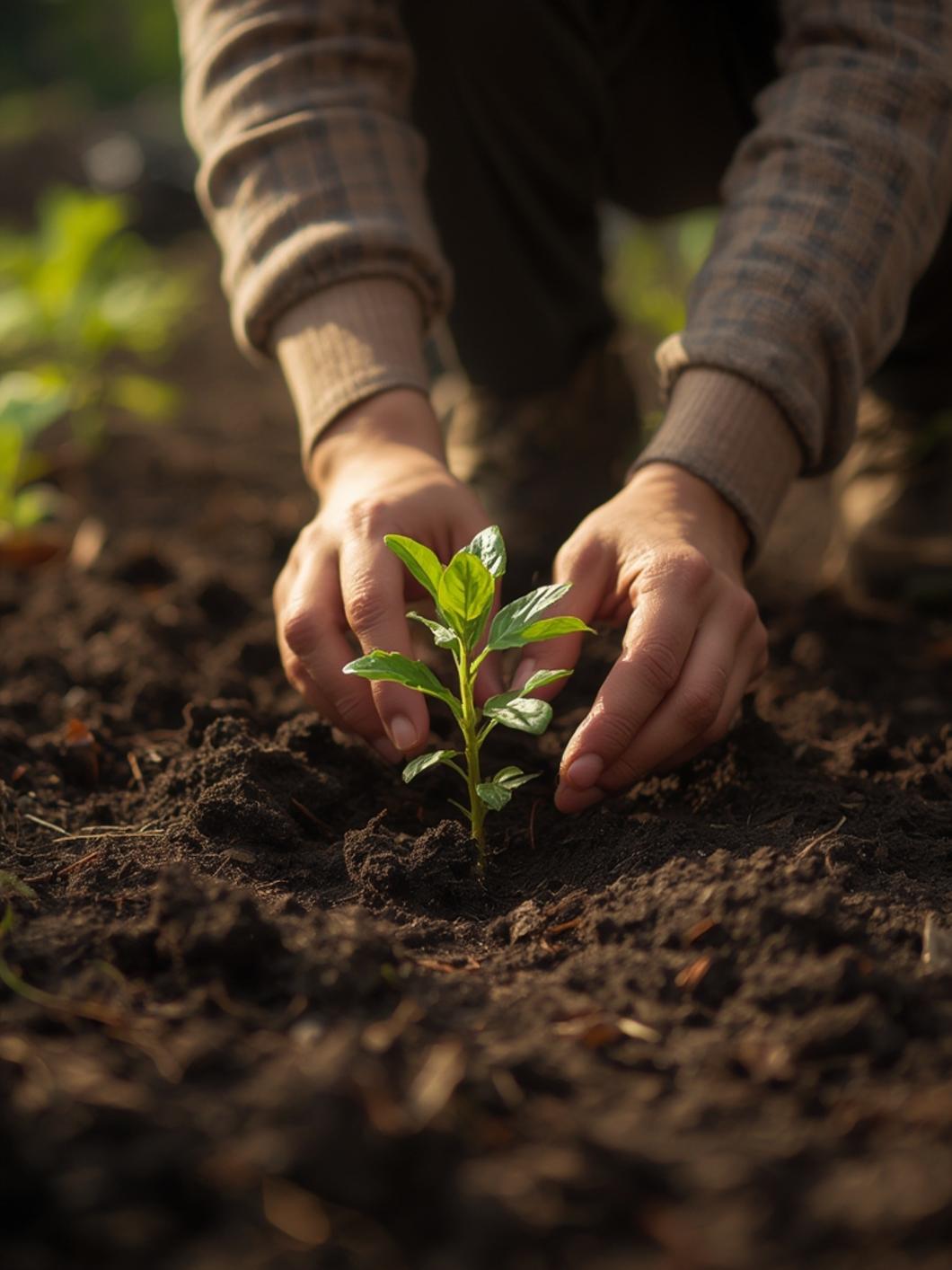
- Overcrowding: Plants placed too close together compete for resources and increase disease risk. Solution: Maintain proper spacing.
- Inconsistent watering: Irregular moisture leads to blossom end rot and bitter fruits. Solution: Water deeply and consistently.
- Harvesting too late: Oversized zucchini becomes tough and seedy. Solution: Check plants daily during peak season.
- Ignoring pest problems: Early infestations can quickly destroy plants. Solution: Inspect regularly and treat problems immediately.
- Over-fertilizing: Excessive nitrogen produces lush foliage but fewer fruits. Solution: Use balanced fertilizer and follow package directions.
Storage / Maintenance Tips
- Ongoing care: Water consistently, providing 1-2 inches weekly.
- Fertilization schedule: Apply balanced fertilizer monthly during the growing season.
- Pruning: Remove damaged or diseased leaves promptly to prevent spread.
- Storage of harvest: Keep unwashed zucchini in perforated plastic bags in the refrigerator for up to one week.
- Preservation methods: Freeze grated zucchini for baking, pickle slices, or dehydrate for chips.
Conclusion
Growing zucchini at home provides a satisfying and productive gardening experience, especially for those just starting their gardening journey. With the right zucchini plant care strategies, you’ll enjoy an abundant harvest that will likely have you sharing with neighbors! Don’t be intimidated – zucchini plants beginners can master with just a little attention and care. Start your zucchini garden this season and discover the joy of growing your own nutritious vegetables. Share your zucchini growing experiences or recipes in the comments below!
FAQs
How often should I water my zucchini plants?
Provide 1-2 inches of water weekly, adjusting for rainfall and temperature. Water at the base of plants in the morning for best results.
Why are my zucchini flowers dropping without producing fruit?
This typically occurs due to poor pollination, extreme temperatures, or inconsistent watering. Hand-pollinating flowers in the morning can significantly improve fruit set.
Can I grow zucchini in containers?
Yes! Use containers at least 5 gallons in size with drainage holes. Ensure consistent watering as container soil dries out faster than garden beds.
What’s causing yellow spots on my zucchini leaves?
Yellow spots often indicate powdery mildew, a common fungal disease. Improve air circulation around plants, avoid wetting leaves when watering, and apply organic fungicides if necessary.
When is the best time to harvest zucchini?
Harvest when fruits reach 6-8 inches long for best flavor and texture. Check plants daily during peak season as zucchini can grow from finger-sized to baseball bat-sized in just a few days!