Ever wondered if you could grow those crisp, refreshing cucumbers right in your own backyard? Growing cucumbers at home is not only rewarding but also provides you with chemical-free, fresh produce throughout the growing season. For beginners, starting with cucumber plants beginners can be an incredibly satisfying introduction to vegetable gardening.
Table of Contents
The process begins with proper cucumber seed starting techniques, which set the foundation for healthy, productive plants. With the right approach, even gardening novices can enjoy a bountiful cucumber harvest in their first season.
Materials & Supplies
To successfully grow cucumbers, you’ll need:
1. Seeds or Seedlings: Choose disease-resistant varieties suited for your climate.
2. Garden Soil: Well-draining, fertile soil with plenty of organic matter.
3. Containers or Garden Space: At least 12-inch deep pots if container gardening.
4. Trellis or Support Structure: For vine varieties to climb.
5. Compost or Organic Fertilizer: To provide essential nutrients.
6. Watering Can or Irrigation System: For consistent moisture.
7. Mulch: To retain soil moisture and suppress weeds.
8. Pruning Shears: For managing plant growth and harvesting.
9. pH Testing Kit (optional): Cucumbers prefer slightly acidic soil (6.0-7.0 pH).
10. Row Covers (optional): For pest protection and extending the growing season.
Timing / Growing Schedule
Cucumbers are warm-season crops that require careful timing:
- Seed Starting: Begin indoors 3-4 weeks before last frost date.
- Transplanting: Move outdoors when soil temperatures reach 70°F (usually 2 weeks after last frost).
- Direct Sowing: Sow seeds directly in warm soil (70°F+).
- Growth Period: 50-70 days from planting to harvest, depending on variety.
- Harvesting Season: Mid-summer through fall before first frost.
Compared to other garden vegetables, cucumbers have a relatively quick maturation period, making them gratifying for impatient gardeners.
Step-by-Step Instructions
1. Prepare Your Growing Area: Choose a location with at least 6-8 hours of direct sunlight. For cucumber plants beginners should focus on soil preparation—incorporate 2-3 inches of compost to improve fertility.
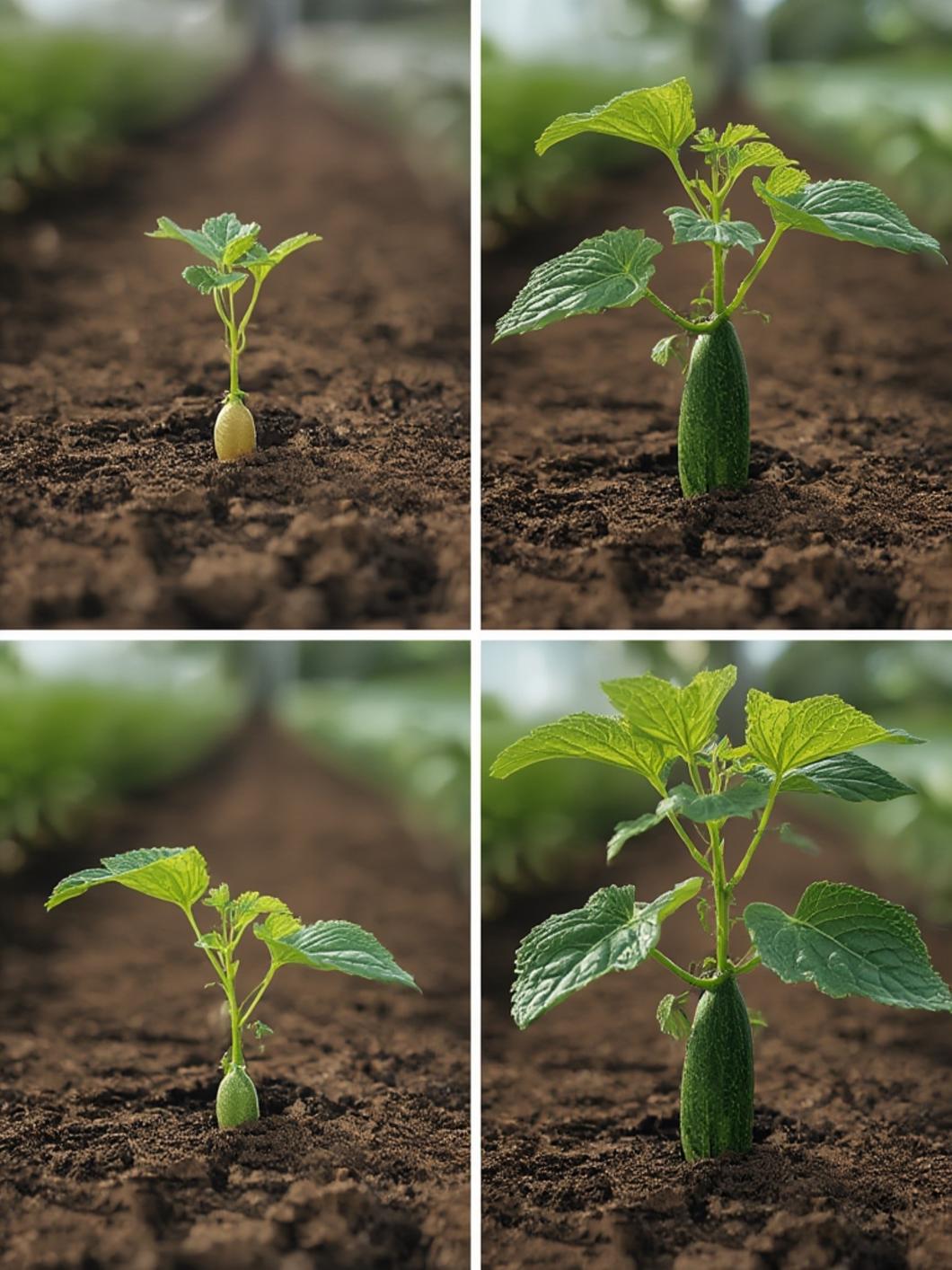
2. Start Seeds: For optimal cucumber seed starting , plant seeds ½-inch deep in seed-starting mix. Maintain soil temperature around 70°F using a heating mat if needed.
3. Transplant Seedlings: When seedlings have 2-3 true leaves and soil is warm, transplant them 12-24 inches apart, depending on variety. Install trellising at this stage for vine varieties.
4. Water Properly: Keep soil consistently moist but not soggy. Water at the base of plants rather than overhead to prevent leaf diseases.
5. Fertilize Regularly: Apply balanced organic fertilizer when plants start flowering, then every 3-4 weeks.
6. Train Vines: Guide climbing varieties onto trellises to save space and improve air circulation.
7. Monitor and Manage Pests: Check regularly for cucumber beetles, aphids, and other common pests.
8. Harvest Regularly: Pick cucumbers when they reach 6-8 inches long (or according to variety specifications) to encourage continued production.
Nutritional Benefits / Advantages
Homegrown cucumbers offer impressive health benefits:
- Hydration: Contain 95% water, making them excellent for hydration.
- Low Calorie: Only 16 calories per cup, perfect for weight management.
- Vitamin K: Essential for blood clotting and bone health.
- Antioxidants: Help reduce inflammation and oxidative stress.
- Fiber: Promotes digestive health and regularity.
- Chemical-Free: Homegrown cucumbers avoid commercial pesticides and waxes.
Tips, Alternative Methods, or Gardening Advice
- Container Growing: Choose bush varieties for small spaces; a 5-gallon container can support one plant.
- Vertical Gardening: Save ground space by growing upward; cucumbers adapt well to trellises.
- Companion Planting: Grow with sunflowers, corn, or beans for natural support structures.
- Succession Planting: Sow seeds every 2-3 weeks for continuous harvest.
- Indoor Growing: With sufficient light (16+ hours), cucumbers can grow indoors year-round.
Common Mistakes to Avoid
1. Inconsistent Watering: Leads to bitter fruit and poor development. Solution: Use drip irrigation or consistent watering schedule.
2. Overcrowding Plants: Reduces air circulation, causing disease. Solution: Follow spacing guidelines for your specific variety.
3. Late Harvesting: Results in oversized, seedy, bitter cucumbers. Solution: Harvest frequently when fruits reach optimal size.
4. Improper Pollination: Leads to misshapen fruits. Solution: Plant pollinator-attracting flowers nearby or hand-pollinate.
5. Excessive Heat: Causes plants to stop producing. Solution: Provide afternoon shade in hot climates.
Storage / Maintenance Tips
- Freshly Harvested: Store unwashed cucumbers in the refrigerator for up to one week.
- Watering: Provide 1-2 inches of water weekly, more during dry periods.
- Pruning: Remove damaged leaves and excessive side shoots to improve air circulation.
- Mulching: Apply 2-3 inches of organic mulch to retain moisture and suppress weeds.
- Seasonal Care: Remove spent plants at season’s end and compost if disease-free.
Conclusion
Growing cucumbers offers incredible satisfaction for beginners and experienced gardeners alike. From the excitement of cucumber seed starting to the joy of harvesting your first crisp vegetable, the journey is both educational and rewarding. cucumber plants beginners friendly nature makes them an excellent gateway into vegetable gardening. Why not start your cucumber growing adventure this season? Your salads, sandwiches, and snacks will never taste better than with homegrown cucumbers straight from your garden!
FAQs
Why are my cucumber leaves turning yellow?
Yellowing leaves often indicate nitrogen deficiency, overwatering, or disease. Check soil moisture, apply balanced fertilizer, and ensure proper drainage.
How can I prevent bitter-tasting cucumbers?
Consistent watering, harvesting at proper size, and selecting bitter-free varieties are key. Stress from heat and inconsistent moisture often causes bitterness.
Do cucumbers need bees for pollination?
Yes, cucumbers typically require pollinators. If indoor or in areas with few pollinators, hand-pollination using a small brush can help ensure fruit set.
Can I grow cucumbers in partial shade?
While cucumbers prefer full sun, they can tolerate partial shade (4-6 hours of direct sunlight), though yields may be reduced.
How do I save cucumber seeds for next year?
Allow a cucumber to fully mature on the vine until yellow or orange, scoop out seeds, ferment in water for 2-3 days, rinse, dry thoroughly, and store in a cool, dry place.