How to Grow and Care for French Lavender: A Complete Guide
Have you ever walked through a garden and been captivated by the enchanting aroma and beautiful purple spikes of lavender? Growing French Lavender at home can transform your garden into a fragrant sanctuary that attracts beneficial pollinators while providing you with incredible therapeutic benefits. The distinctive scent of Lavender Essential Oil is just one of the many rewards of cultivating this Mediterranean herb in your own space. This comprehensive guide will walk you through everything you need to know about successfully growing this aromatic perennial.
Materials & Supplies
To get started with your French lavender garden, you’ll need:
- Lavender seeds or young plants (French lavender varieties like Lavandula dentata)
- Well-draining potting mix or garden soil amended with sand and gravel
- Terracotta or clay pots with drainage holes (if container planting)
- Organic compost or slow-release fertilizer
- Garden pruners or sharp scissors
- Watering can with a narrow spout
- Garden gloves
- pH testing kit (optional but recommended)
- Limestone or wood ash (to adjust soil pH if necessary)
- Mulch (preferably pebbles or gravel for Mediterranean plants)
Timing / Growing Schedule
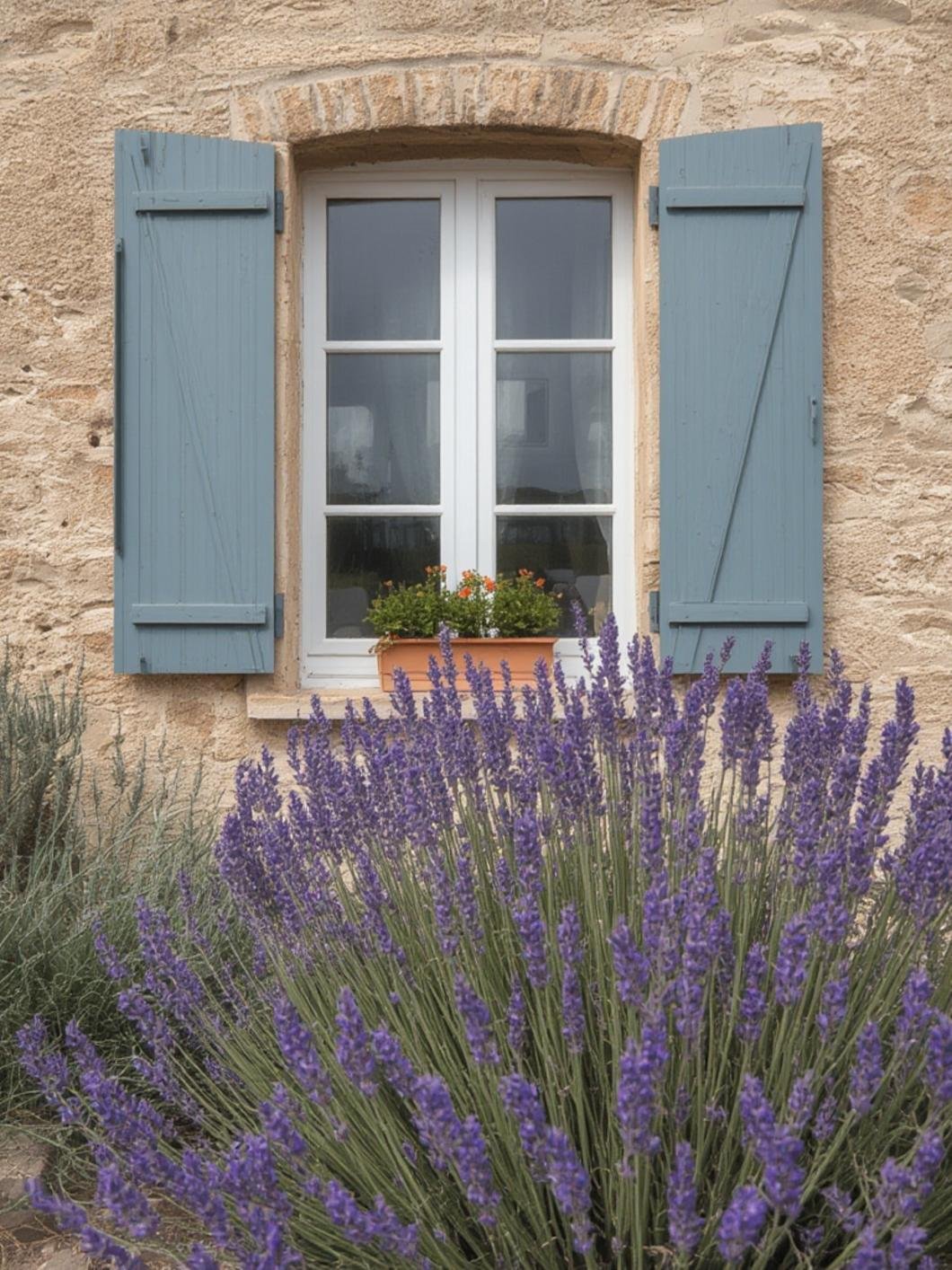
French lavender thrives when planted at the right time. Here’s a timeline to follow:
- Spring (March-May): Ideal planting time in most regions when soil temperatures reach 60°F (15°C)
- Growth Period: Expect 3-5 months for plants to establish
- Blooming Season: First blooms appear 90-120 days after planting
- Harvest Time: Mid to late summer, when flower buds are just opening
- Pruning Schedule: Light pruning after first bloom; heavier pruning in late summer/early fall
Unlike many herbs that can be started any time, French lavender benefits significantly from being established before summer heat arrives, giving it time to develop strong roots.
Step-by-Step Instructions
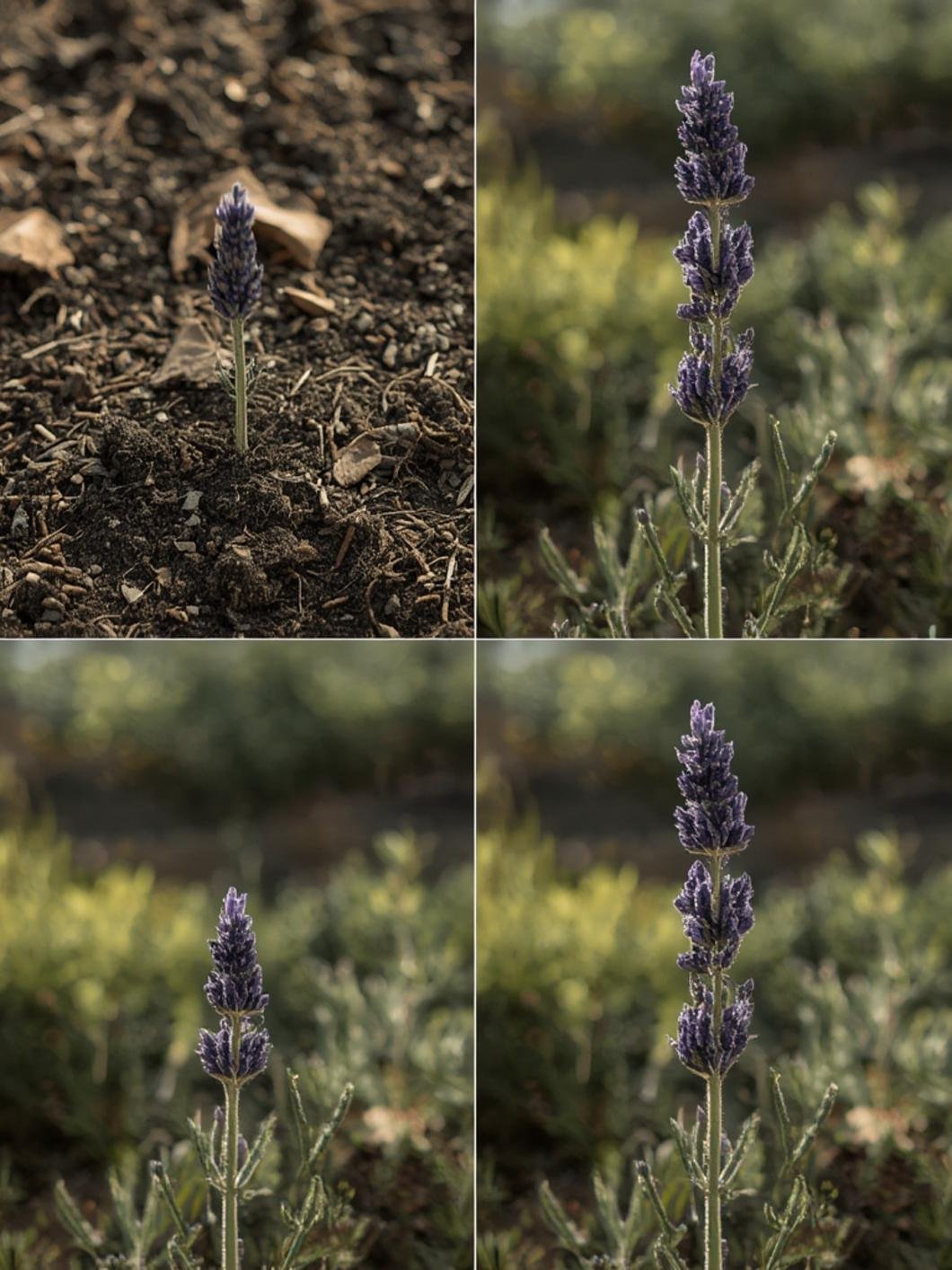
1. Choose the right location: Select a spot with full sun (6-8 hours daily) and excellent drainage. French Lavender abhors wet feet and requires good air circulation.
2. Prepare the soil: Mix in plenty of grit, sand, or perlite to create the well-draining conditions that lavender loves. Aim for slightly alkaline soil with a pH between 6.5-8.0.
3. Plant properly: Dig a hole twice as wide as the root ball. Plant at the same depth as the nursery container, making sure the crown sits slightly above soil level.
4. Space adequately: Position plants 18-24 inches apart to allow for mature growth and air circulation.
5. Water sparingly: After planting, water thoroughly but then follow a “less is more” approach. Once established, lavender is drought-tolerant and prefers drying out between waterings.
6. Apply mulch: Use inorganic mulch like pebbles or gravel rather than organic matter, which can retain too much moisture near the base.
7. Harvest thoughtfully: Cut stems when flower buds are just beginning to open for maximum Lavender Essential Oil content and aroma.
Nutritional Benefits / Advantages
Beyond its beauty, lavender offers numerous benefits:
- Contains powerful antioxidants that help combat free radicals
- Provides natural aromatherapy benefits for stress relief and relaxation
- Acts as a natural insect repellent in the garden while attracting beneficial pollinators
- Offers culinary applications in small quantities for teas, desserts, and Provençal cooking
- Can be used in homemade household products like linen sprays and sachets
- Supports biodiversity by providing food for bees and butterflies
Tips, Alternative Methods, or Gardening Advice
- Container growing: French lavender thrives in pots at least 12-16 inches in diameter with excellent drainage.
- Indoor cultivation: Place near south-facing windows and use a fan to improve air circulation.
- Companion planting: Pair with rosemary, sage, and thyme for a Mediterranean herb garden that shares similar care requirements.
- Winter protection: In colder zones, protect container plants by moving them to a sheltered location or wrapping pots.
- Propagation: Take semi-hardwood cuttings in late summer for free new plants.
Common Mistakes to Avoid
- Overwatering: The number one killer of lavender is excessive moisture. Water only when the top 1-2 inches of soil are dry.
- Poor drainage: Using standard garden soil without amendments will lead to root rot.
- Over-fertilizing: Lavender prefers lean soil; too much fertilizer produces excess foliage at the expense of flowers.
- Insufficient pruning: Failure to prune regularly leads to woody, leggy plants with reduced flowering.
- Incorrect pH: Planting in acidic soil without amendments will result in poor performance.
Storage / Maintenance Tips
- Pruning routine: Trim plants by about one-third after flowering to maintain shape and promote bushiness.
- Drying harvested lavender: Hang bundles upside down in a dark, dry location with good air circulation.
- Rejuvenation: Every 3-4 years, consider a hard pruning in early spring to rejuvenate older plants.
- Pest management: Monitor for spittlebugs or aphids and treat with a strong water spray or insecticidal soap if needed.
- Divisions: Divide mature plants every 3-5 years in early spring to maintain vigor.
Conclusion
Growing French Lavender at home rewards gardeners with not only stunning visual appeal but also therapeutic benefits and versatile harvests. With proper care focused on mimicking its native Mediterranean conditions, you’ll enjoy waves of fragrant blooms for years to come. The satisfaction of creating your own Lavender Essential Oil products or simply enjoying the calming presence in your garden makes this perennial herb worth the minimal effort required. Why not start your lavender journey today? We’d love to hear about your experiences growing this aromatic treasure in the comments below!
FAQs
How often should I water my French lavender? Allow the soil to dry completely between waterings. In summer, this might mean watering established plants just once every 2-3 weeks, depending on your climate.
Why isn’t my lavender flowering? Insufficient sunlight, over-fertilization, or lack of proper pruning are the most common causes. Ensure plants receive at least 6 hours of direct sunlight daily.
Can French lavender survive winter in cold climates? French lavender (Lavandula dentata) is less cold-hardy than English lavender, typically surviving only to USDA Zone 8. In colder areas, grow in containers and bring indoors for winter.
Is lavender safe for pets? While the plant itself isn’t highly toxic, concentrated oils can be harmful to cats and dogs. Keep essential oils out of reach and monitor pets around lavender plants.
How do I use fresh lavender from my garden? Fresh lavender can be used in bouquets, culinary applications (use sparingly), homemade sachets, bath products, and as a natural air freshener when hung in bundles.