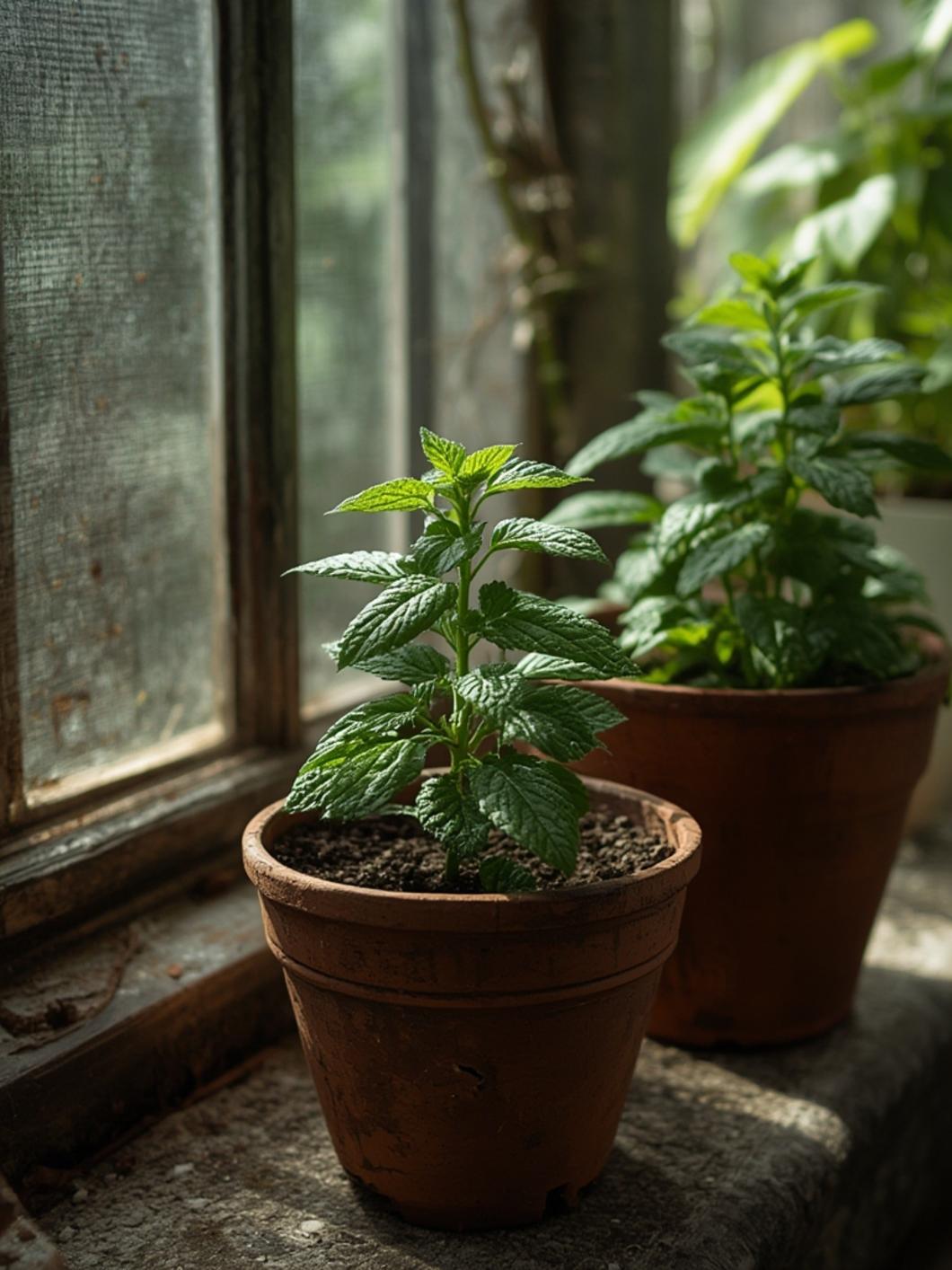
Have you ever reached for fresh mint for your tea or recipes only to find a sad, wilted bunch in your refrigerator? Growing your own mint in pots might be the perfect solution to ensure a constant supply of this versatile herb. Mint is one of the most rewarding herbs to grow at home,
Table of Contents
offering incredible fragrance, flavor, and multiple culinary uses. Many gardeners find that cultivating mint plants in pots allows them to enjoy the herb’s benefits while preventing its notorious spreading habit that can overtake garden beds. Let’s explore how you can successfully grow this aromatic herb in containers right on your porch, balcony, or kitchen windowsill.
Materials & Supplies
To get started growing mint successfully, you’ll need:
– Container(s) with drainage holes (6-8 inches deep minimum)
– Quality potting soil or herb-specific potting mix
– Mint seedlings, cuttings, or seeds
– Slow-release organic fertilizer
– Watering can
– Scissors or garden shears for harvesting
– Pebbles or broken pottery pieces (for drainage layer)
– Liquid seaweed fertilizer (optional)
– Plant labels (if growing multiple mint varieties)
– Mulch (optional, to retain moisture)
Timing / Growing Schedule
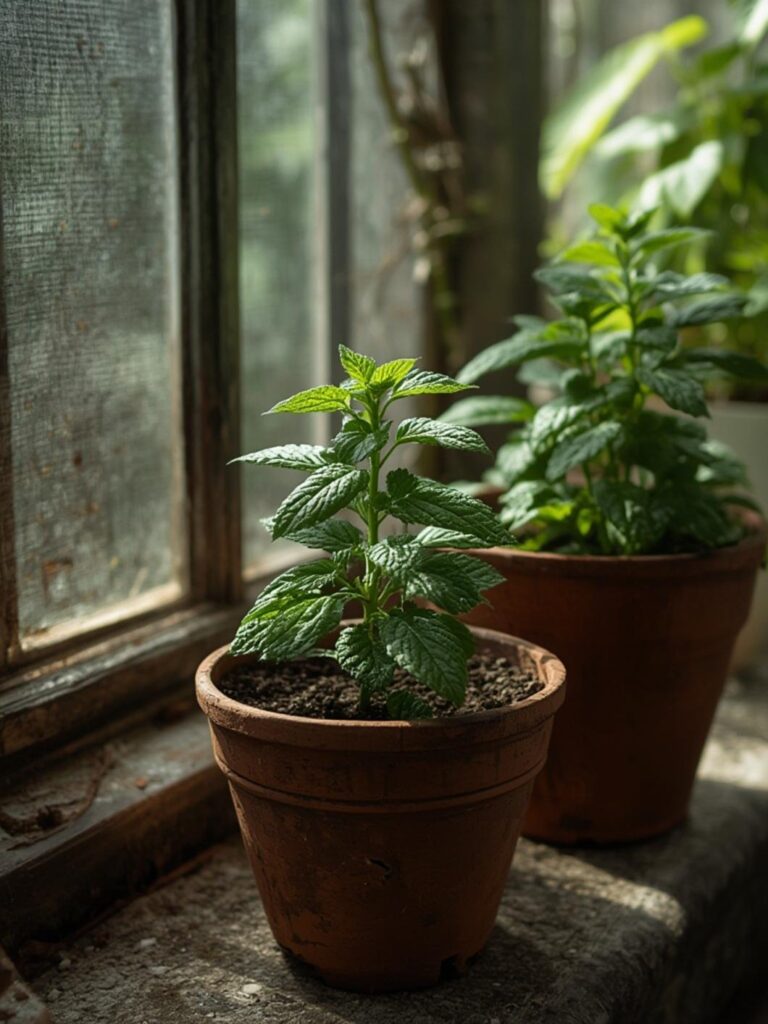
Mint is a perennial herb in most climates, making it available year-round when properly cared for. The ideal planting time for outdoor mint containers is spring after the last frost. Indoor mint in pots can be started at any time of year.
– Germination period: 10-15 days from seed
– Growth to harvest: 4-6 weeks after planting seedlings
– Peak growing season: Late spring through summer
– Dormancy period: Winter (growth slows significantly)
– Container lifespan: 2-3 years before needing division or refreshing soil
Step-by-Step Instructions
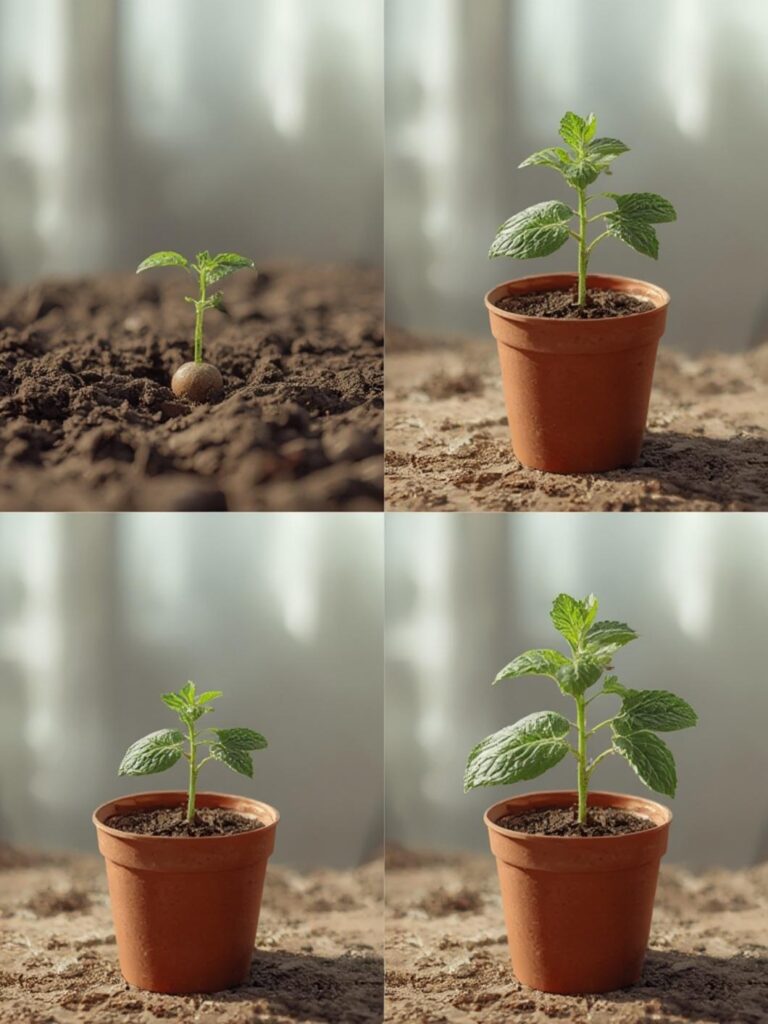
1. Prepare your container: Place a layer of pebbles or broken pottery at the bottom to ensure proper drainage. Fill with high-quality potting mix to about 1 inch below the rim.
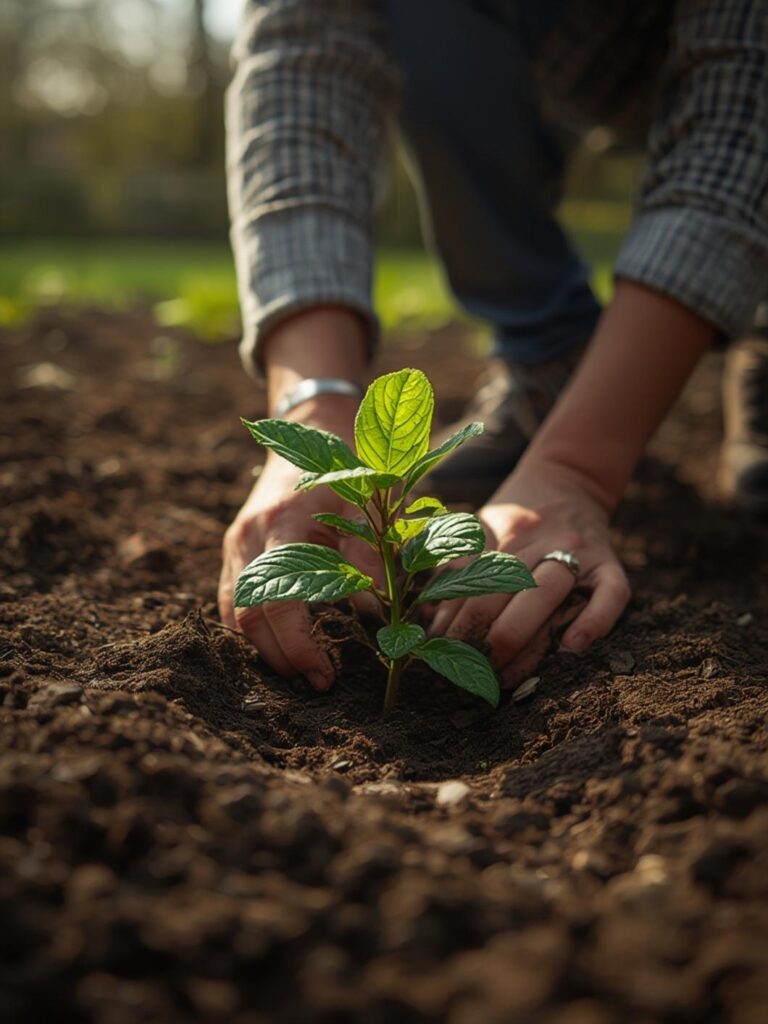
2. Planting: If using seedlings, dig holes slightly larger than the root ball and plant at the same depth as they were in their nursery containers. Space multiple mint plants in pots at least 6 inches apart.
3. Watering: Water thoroughly after planting. Ensure the soil stays consistently moist but not waterlogged. Touch the soil surface—if it feels dry, it’s time to water.
4. Placement: Position your container where it will receive 4-6 hours of morning sunlight, with afternoon shade in hotter climates.
5. Fertilizing: Apply a diluted liquid fertilizer monthly during the growing season, or incorporate slow-release fertilizer when planting.
6. Harvesting: Begin harvesting when plants reach 6-8 inches in height. Cut stems just above a set of leaves to encourage bushier growth.
Nutritional Benefits / Advantages
Mint offers impressive health benefits beyond its delightful flavor:
– Rich in antioxidants that help protect cells from damage
– Contains menthol, which can help relieve digestive issues and reduce symptoms of irritable bowel syndrome
– May improve brain function and alertness
– Natural breath freshener
– Contains small amounts of vitamins A, C, and folate
– May help alleviate cold symptoms through its natural decongestant properties
– Growing your own ensures chemical-free herbs
Tips, Alternative Methods, or Gardening Advice
– Grow mint in hanging baskets to save space and create visual interest
– Try various mint varieties like chocolate, apple, or pineapple mint for different flavors
– Use mint as a companion plant near cabbage and tomatoes to deter pests
– Place containers on rolling platforms for easy movement between sun/shade
– Create a dedicated mint container garden with multiple varieties
– Harvest regularly to encourage bushier growth and prevent flowering
– Consider growing mint indoors near a sunny window during winter
Common Mistakes to Avoid
1. Overcrowding: Mint needs room to spread. Use adequately sized containers and don’t crowd with other herbs.
2. Poor drainage: Soggy soil leads to root rot. Ensure proper drainage holes and avoid overwatering.
3. Inadequate sunlight: While mint tolerates partial shade, too little light results in leggy, less flavorful growth.
4. Allowing to flower: Pinch off flower buds to maintain leaf production and flavor quality.
5. Using garden soil: Always use potting mix in containers as garden soil compacts and drains poorly.
Storage / Maintenance Tips
– Prune regularly to maintain shape and encourage bushy growth
– Divide mint plants every 1-2 years to prevent them from becoming root-bound
– Refresh potting soil annually in spring
– Harvest leaves in morning when essential oils are most concentrated
– Dry excess mint by hanging bundles upside down in a dark, dry place
– Freeze chopped mint in ice cube trays with water for long-term storage
– Reduce watering during winter dormancy period
Conclusion
Growing mint in pots provides a continuous supply of this versatile herb while keeping its spreading tendency in check. Whether you’re a culinary enthusiast, tea lover, or gardening beginner, mint plants in pots make an excellent addition to any home. Their adaptability, fragrance, and numerous uses make them one of the most rewarding container plants to grow. Start with just one variety and you may soon find yourself with a collection of different mint types to experiment with in the kitchen and beyond!
FAQs
How often should I water my potted mint plants?
Check the soil moisture every 1-2 days. Water when the top inch of soil feels dry, typically every 2-3 days in summer and less frequently in cooler weather.
Why are my mint leaves turning yellow?
Yellowing leaves usually indicate overwatering, poor drainage, or nutrient deficiency. Check drainage, adjust watering, and consider applying a balanced fertilizer.
Can I grow mint indoors all year round?
Yes, mint grows well indoors with proper lighting. Place near a south or west-facing window or supplement with grow lights during darker months.
How do I prevent my potted mint from becoming leggy?
Regular harvesting and pruning encourage bushy growth. Pinch back growing tips and provide adequate sunlight to prevent legginess.
Can different mint varieties be planted together?
While possible, different mint varieties can cross-pollinate when flowering, potentially affecting flavor. For purest flavors, grow different varieties in separate containers.