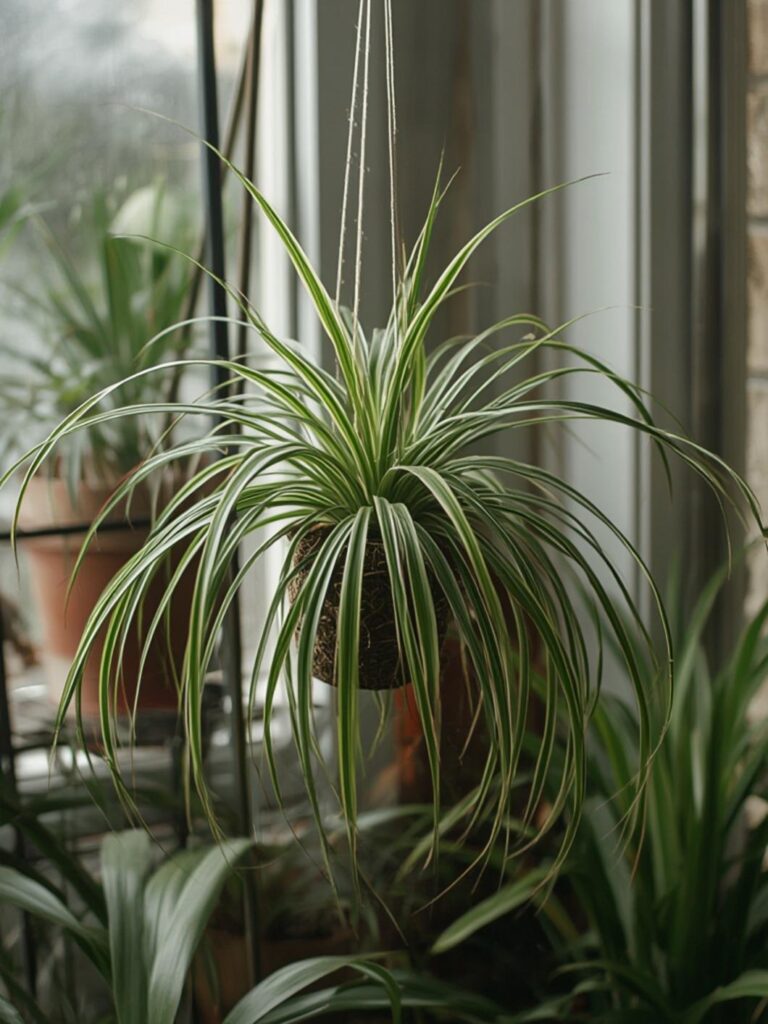
Have you ever dreamed of having a garden bursting with vibrant, colorful blooms that attract butterflies and hummingbirds all summer long? If so, zinnias for beginners might be exactly what you need to kickstart your flower gardening journey.
Table of Contents
These cheerful annual flowers are among the easiest to grow from seed, making them perfect for novice gardeners. Zinnia gardening for beginners offers a rewarding experience with minimal effort, providing months of colorful blooms that brighten any outdoor space. Their versatility and resilience make them an excellent choice for first-time flower growers looking to build confidence in their gardening skills.
Grow Vibrant Zinnias: The Ultimate Guide for Flower Gardening Success
Materials & Supplies
To start your zinnia garden, you’ll need:
– Zinnia seeds – Choose from varieties like Benary’s Giant, State Fair, or Profusion series
– Garden soil or potting mix with good drainage
– Compost for soil enrichment
– Garden spade and hand trowel
– Watering can or garden hose with spray attachment
– Pruning shears for deadheading
– Plant labels to identify varieties
– Mulch to retain soil moisture (optional)
– Balanced fertilizer (10-10-10) for mid-season feeding (optional)
– Plant supports for taller varieties (optional)
Timing / Growing Schedule
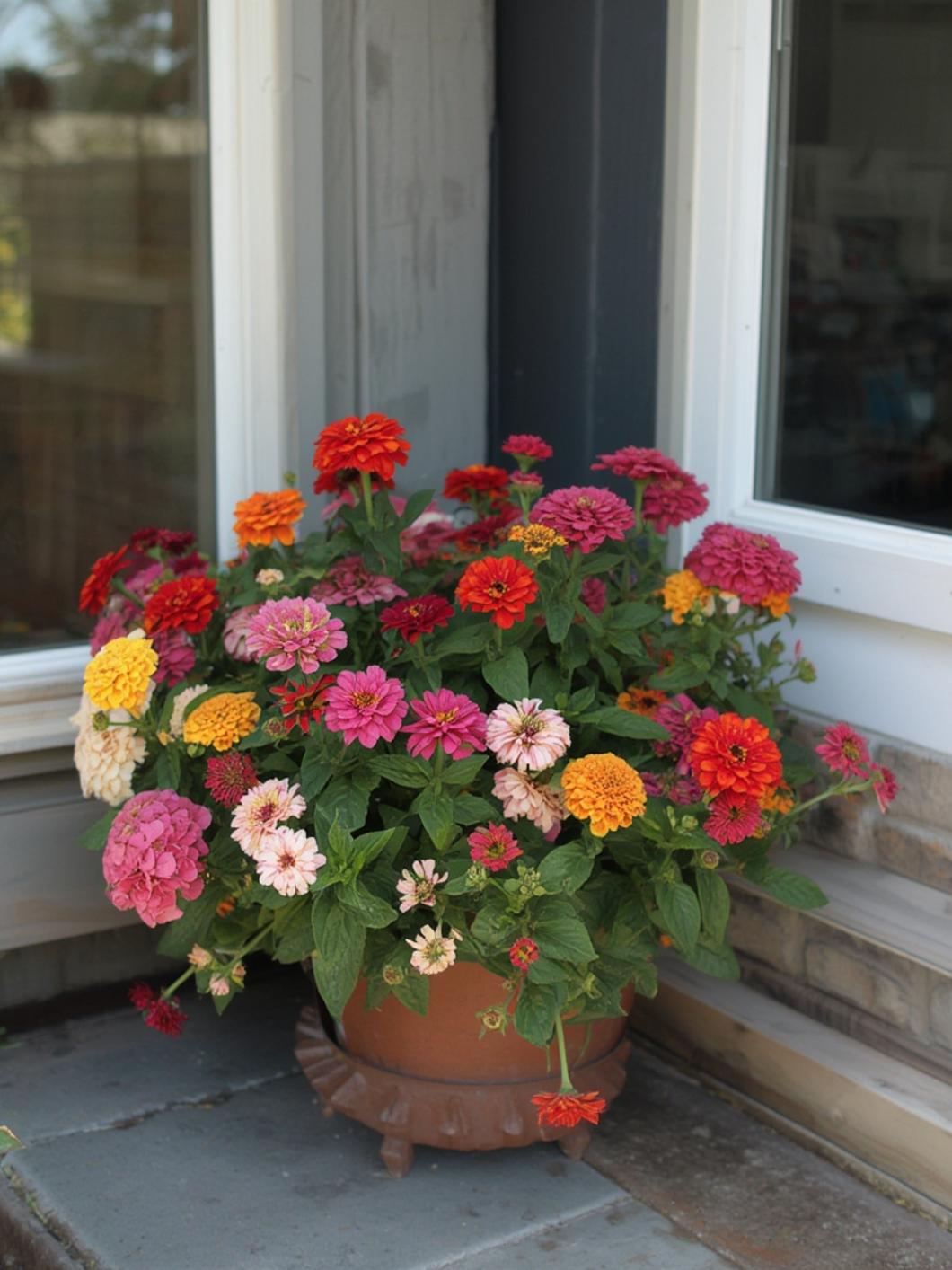
Zinnias are warm-season annuals that thrive in summer heat. For best results:
– Start indoors: 4-6 weeks before last frost date (optional)
– Direct sow outdoors: After all danger of frost has passed and soil has warmed to at least 70°F
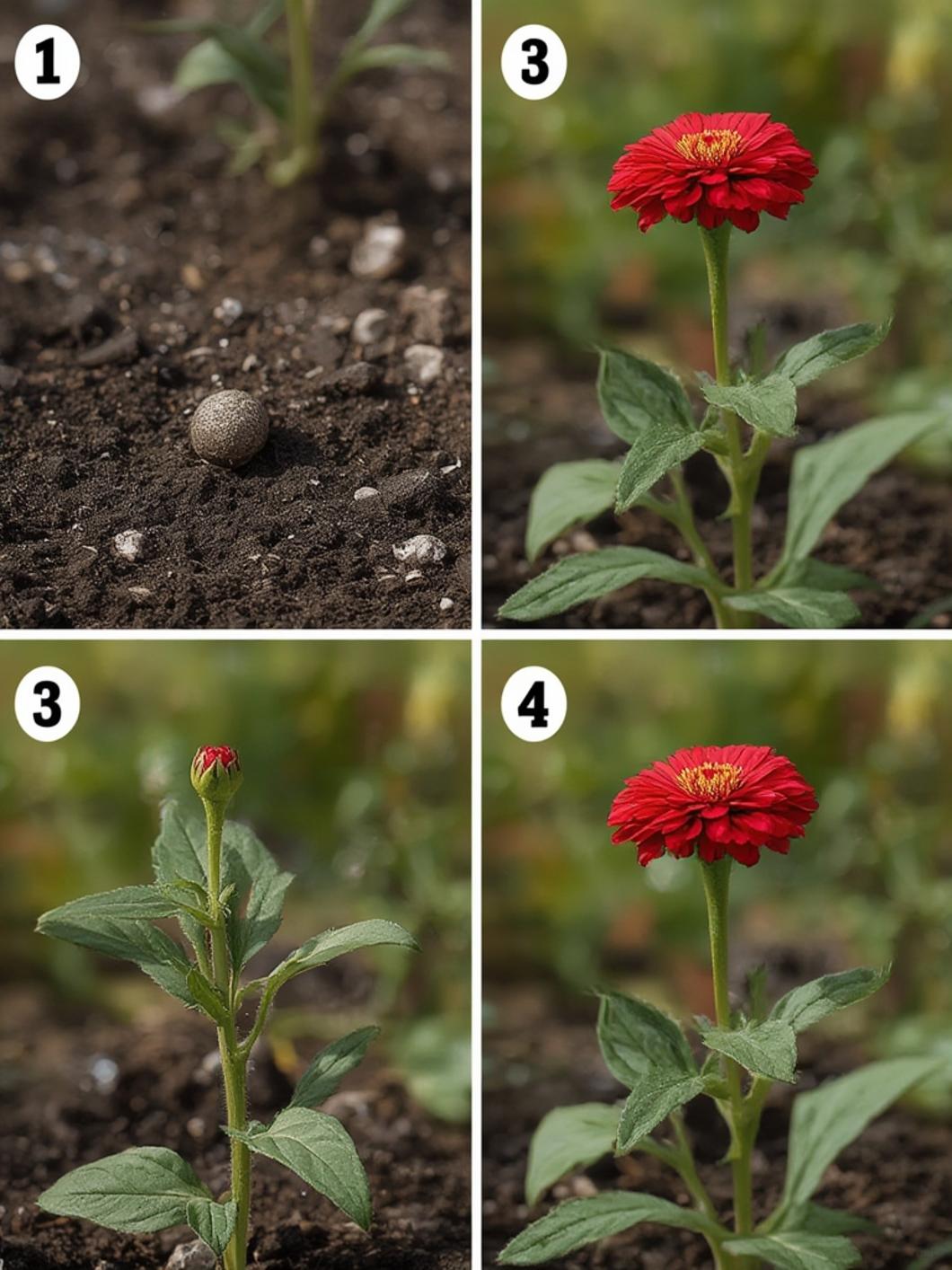
– Germination time: 5-7 days in warm soil
– Time to first bloom: 60-70 days from seed
– Blooming period: Continuous from early summer until first frost (typically 3-4 months)
Unlike perennials that return yearly, zinnias complete their life cycle in one season, providing continuous blooms throughout summer and early fall.
Step-by-Step Instructions
1. Select your planting location: Choose a spot with full sun (6+ hours daily). zinnias for beginners grow best in sunny locations with well-draining soil.
2. Prepare the soil: Turn the soil to a depth of 8 inches and incorporate 2-3 inches of compost. This improves drainage and adds nutrients essential for healthy growth.
3. Sow the seeds: Plant seeds ¼ inch deep and space them according to variety (typically 6-18 inches apart). For cut flower varieties, planting in rows makes harvesting easier.
4. Water gently: Keep soil consistently moist but not soggy during germination. A fine spray helps prevent washing away seeds.
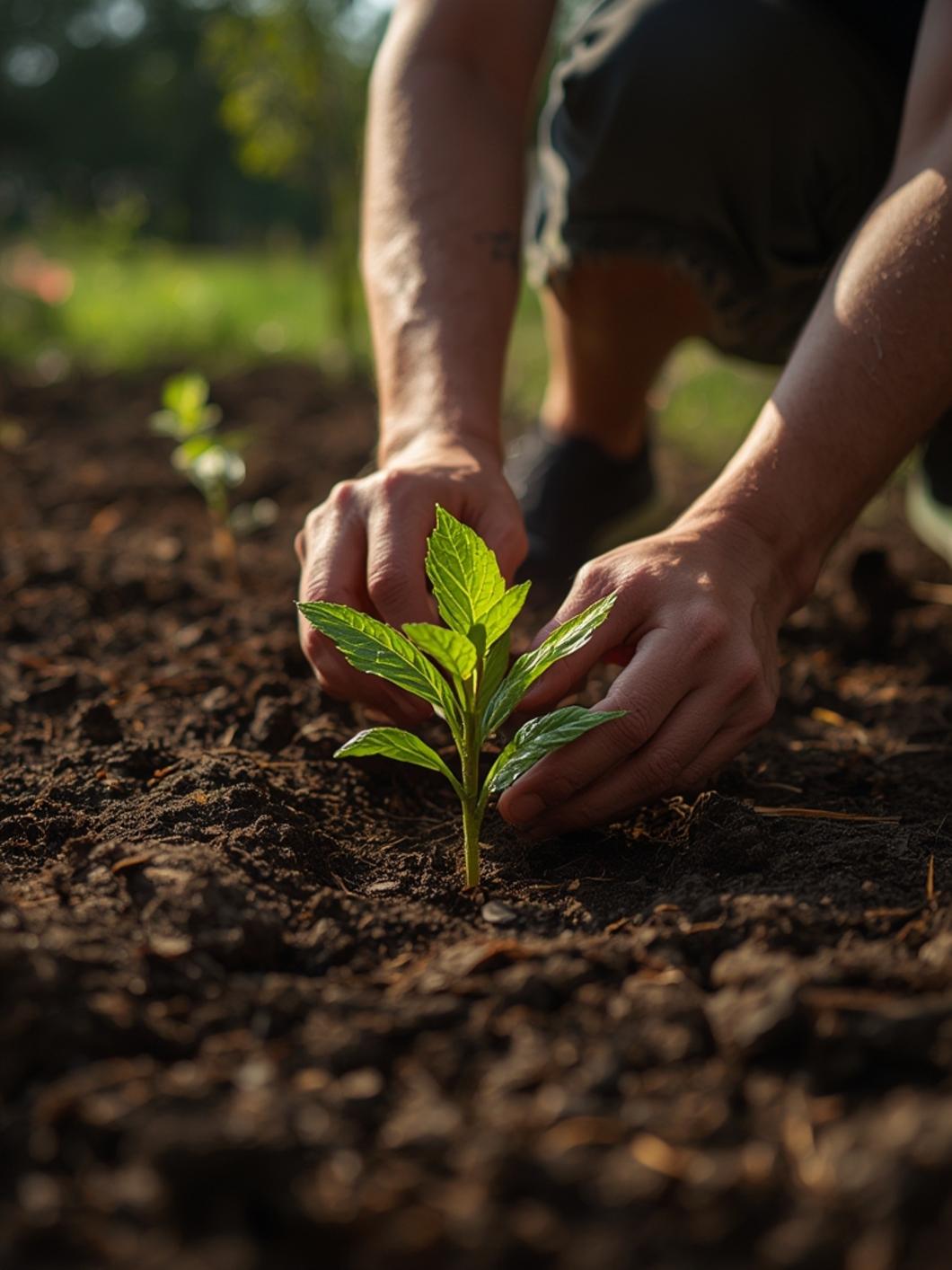
5. Thin seedlings: When plants reach 3 inches tall, thin to recommended spacing for your variety. This prevents overcrowding and improves air circulation.
6. Mulch around plants: Apply a 2-inch layer of mulch to retain moisture and suppress weeds, keeping it away from stems to prevent rot.
7. Implement Zinnia gardening for beginners maintenance: Water deeply once weekly (about 1 inch) at the base of plants to keep foliage dry and prevent mildew.
8. Deadhead regularly: Remove spent blooms to encourage continuous flowering and prevent self-seeding. Cut stems just above a leaf node.
Nutritional Benefits / Advantages
While zinnias aren’t edible, they offer numerous benefits:
– Pollinator attraction: They’re magnets for butterflies, bees, and hummingbirds
– Cut flower production: Long-lasting blooms for indoor arrangements
– Companion planting: They draw beneficial insects that protect vegetable gardens
– Mental health benefits: Gardening with colorful flowers reduces stress and anxiety
– Sustainability: Native pollinators supported by zinnias help maintain local ecosystems
Tips, Alternative Methods, or Gardening Advice
– Container growing: Choose compact varieties like Profusion or Zahara series for patio containers
– Succession planting: Sow seeds every 2-3 weeks for continuous blooms all season
– Cut flower garden: Plant taller varieties in dedicated cutting beds for indoor arrangements
– Color blocking: Group same-color varieties together for dramatic visual impact
– Height variation: Mix tall varieties (3-4 feet) with medium (1-2 feet) and dwarf types (under 1 foot)
– Water-wise gardening: Once established, zinnias are relatively drought-tolerant
Common Mistakes to Avoid
1. Overhead watering: This promotes powdery mildew. Always water at the base of plants, especially in humid climates.
2. Overcrowding: Insufficient spacing restricts air circulation, increasing disease susceptibility. Follow spacing guidelines for your specific variety.
3. Planting too early: Cold soil delays germination and can cause seedling death. Wait until soil warms to at least 70°F.
4. Neglecting deadheading: Without regular deadheading, flowering diminishes as plants focus energy on seed production instead of new blooms.
5. Over-fertilization: Too much nitrogen produces lush foliage but fewer flowers. Use balanced fertilizer sparingly.
Storage / Maintenance Tips
– Harvesting cut flowers: Cut in early morning when stems are turgid. Choose blooms that are just fully open.
– Extending vase life: Remove all foliage that would sit below water line and change water every 2-3 days.
– Seed saving: Allow some late-season blooms to dry on plants. Collect seeds when heads turn brown and store in paper envelopes.
– End-of-season cleanup: Remove all plant material after first frost to prevent disease carryover.
– Mulching: Maintain 2-3 inches of mulch throughout growing season to conserve moisture and suppress weeds.
Conclusion
Growing zinnias offers a perfect introduction to flower gardening with nearly guaranteed success. These versatile annuals reward even novice gardeners with months of vibrant blooms that brighten gardens and attract beneficial wildlife. zinnias for beginners provide an accessible entry point into flower cultivation that builds confidence and gardening skills. Whether you’re looking to create butterfly gardens, cut flower arrangements, or simply add color to your landscape, Zinnia gardening for beginners delivers satisfaction with minimal investment. Why not plant some zinnia seeds this season and experience the joy of growing these magnificent blooms yourself?
FAQs
How often should I water my zinnias?
Water deeply once a week, providing about 1 inch of water. During extreme heat, you may need to water more frequently. Always water at the soil level rather than overhead.
Why are my zinnia leaves developing white powdery spots?
This is powdery mildew, a common fungal disease. Improve air circulation by thinning plants, water at the base only, and consider applying a fungicide specifically labeled for ornamentals if the problem persists.
Can I grow zinnias in partial shade?
Zinnias perform best with 6+ hours of direct sunlight daily. They will grow in partial shade (4-6 hours of sun) but will produce fewer flowers and may become leggy.
Do I need to fertilize my zinnias?
In average garden soil amended with compost, zinnias rarely need additional fertilizer. If growing in poor soil, apply a balanced fertilizer (10-10-10) once midway through the growing season.
When is the best time to collect zinnia seeds?
Allow flowers to fully dry on the plant. Harvest seeds when the flower head turns brown and feels dry. Cut the head, remove seeds, and store in a paper envelope in a cool, dry place until next planting season.