Are you dreaming of creating a fragrant, beautiful garden without dedicating endless hours to maintenance? Growing lavender at home might be your perfect solution. This aromatic herb adds elegance to any garden while requiring minimal care. With its soothing scent and striking purple blooms, lavender low maintenance qualities make it an ideal choice for busy gardeners.
Table of Contents
Even beginners can achieve success with lavender easy care routines that yield beautiful results. Let’s explore how to grow this versatile Mediterranean herb in your home garden.
Nurturing Lavender: A Beginner’s Guide to Growing This Beautiful Herb
Materials & Supplies
To start your lavender growing journey, gather these essential items:
- Lavender seeds or young plants – Starting with small plants is easier for beginners
- Well-draining potting soil – Mix regular potting soil with sand or perlite (2:1 ratio)
- Container with drainage holes – Terracotta pots work exceptionally well
- Watering can – For controlled, gentle watering
- Pruning shears – For harvesting and maintenance
- Organic slow-release fertilizer – Use sparingly as lavender prefers poor soil
- Gravel or small stones – For drainage layer at pot bottom
- Sunny location – Indoors or outdoors
Optional additions include a soil pH tester (lavender prefers slightly alkaline soil) and garden lime to adjust soil pH if necessary.
Timing / Growing Schedule
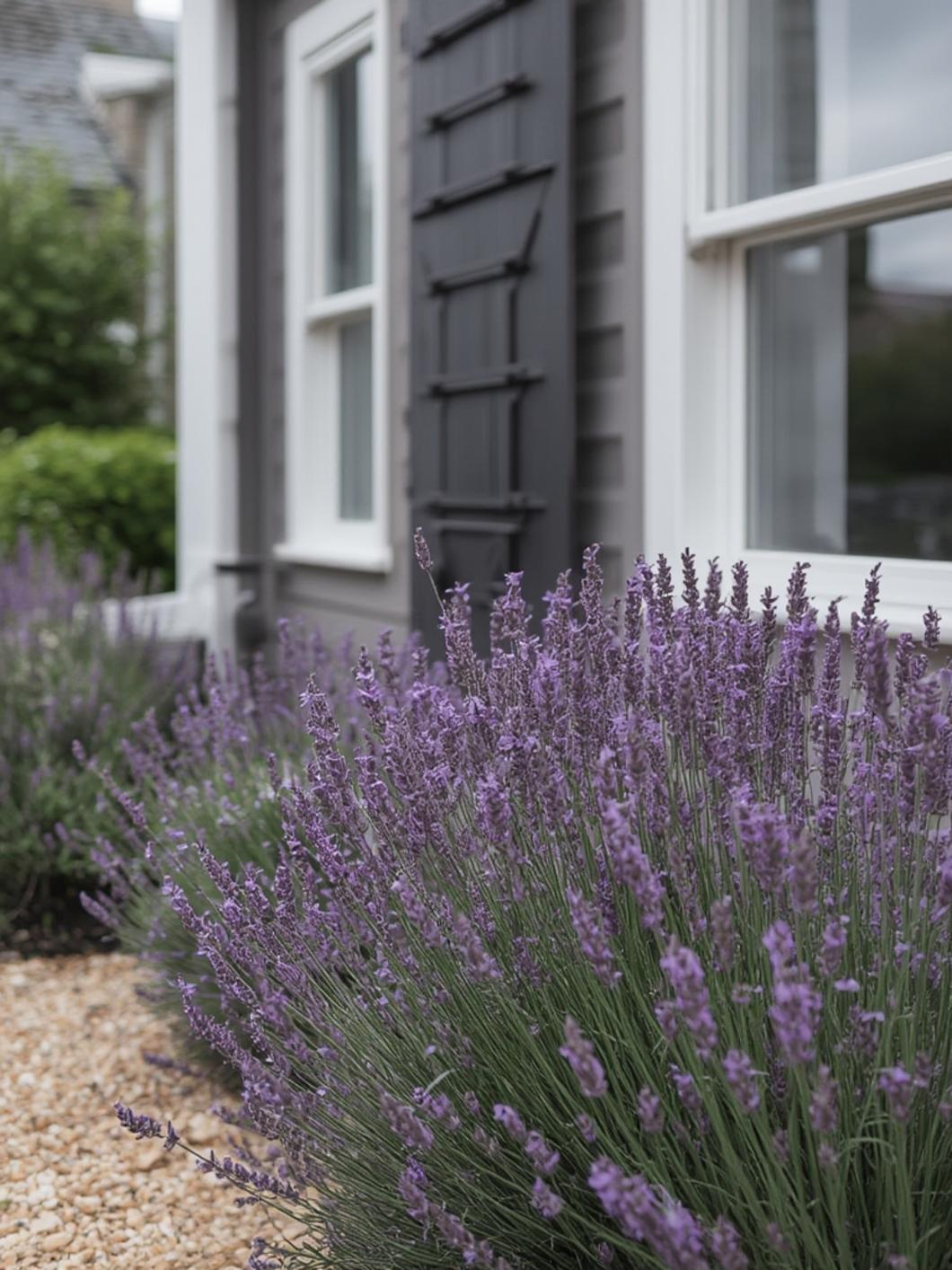
Lavender follows a relatively predictable growing pattern:
- Planting time: Early spring, after the last frost, is ideal for outdoor planting. For indoor growing, any time works.
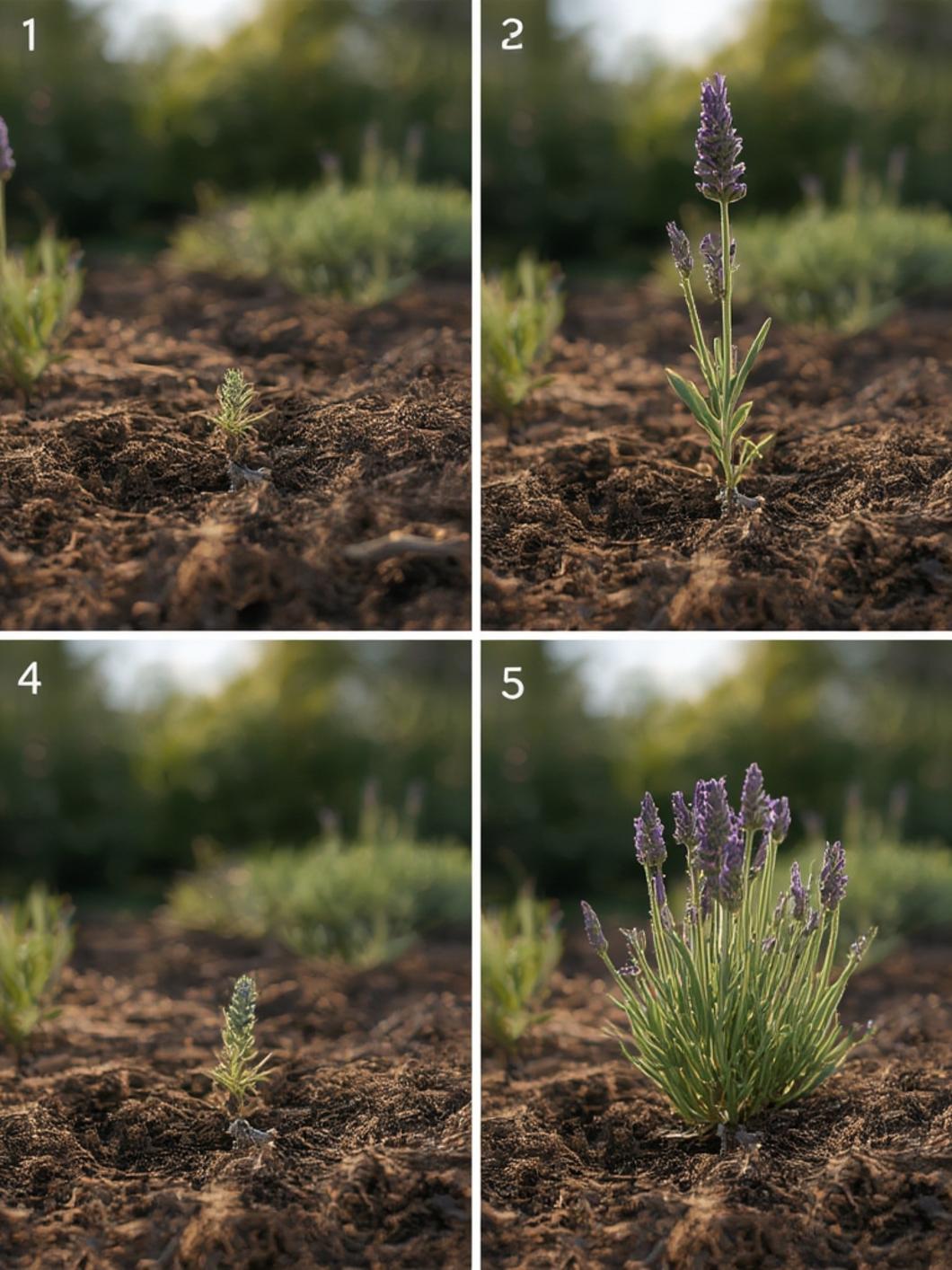
- Germination: Seeds take 14-28 days to germinate (if starting from seed).
- Growth phase: Expect 3-5 months from planting to first bloom.
- Harvesting: After the first year, harvest flowers when they’re just beginning to open, usually late spring to early summer.
- Mature plant lifespan: With proper care, lavender plants can thrive for 5-10 years.
Unlike many flowering plants that require seasonal replanting, lavender establishes itself as a perennial in zones 5-9, making it a time-efficient garden investment.
Step-by-Step Instructions
1. Select the right location: Choose a spot with 6-8 hours of full sunlight. lavender low maintenance nature thrives in sunny, dry locations that mimic its Mediterranean origins.
2. Prepare the soil: Create a well-draining mixture by combining potting soil with sand or perlite. For container planting, add a 1-inch layer of gravel at the bottom.
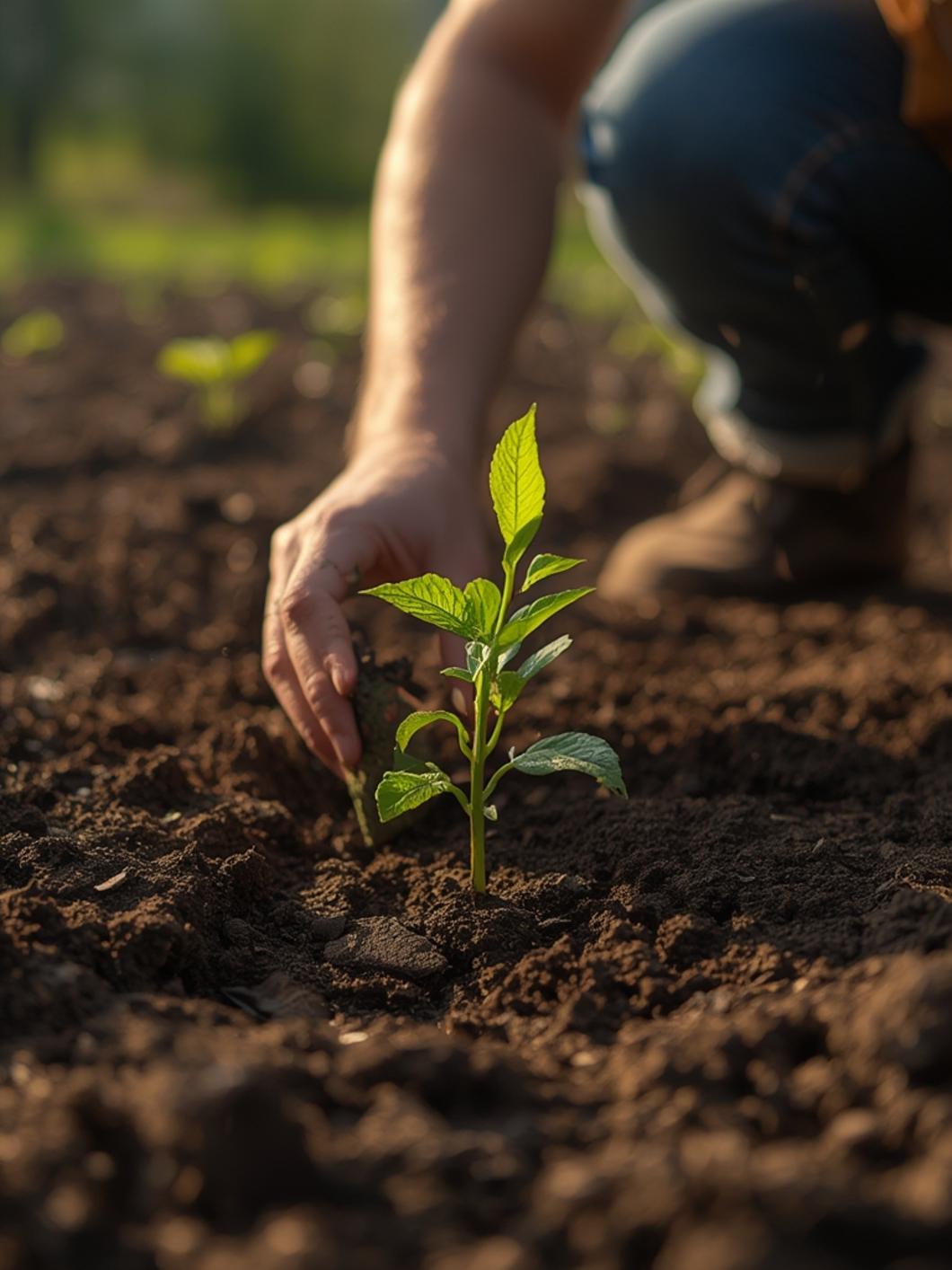
3. Plant properly: Dig a hole twice the width of the root ball. Plant at the same depth as its nursery container. Space plants 2-3 feet apart to allow for growth and air circulation.
4. Water strategically: Water thoroughly after planting, then allow soil to dry completely between waterings. lavender easy care begins with proper watering – overwatering is the most common cause of failure.
5. Fertilize minimally: Apply a light dose of slow-release fertilizer once annually in early spring. Too much fertilizer produces excessive foliage at the expense of flowers.
6. Prune regularly: Trim plants by one-third in early spring to promote bushier growth and more blooms. Remove spent flowers throughout the growing season.
Nutritional Benefits / Advantages
Lavender offers numerous benefits beyond its beauty:
- Aromatherapy: The scent reduces anxiety, improves sleep quality, and eases headaches.
- Culinary uses: Flowers can flavor desserts, teas, and savory dishes.
- Medicinal properties: Contains antiseptic and anti-inflammatory compounds.
- Pollinator friendly: Attracts bees and butterflies, supporting local ecosystems.
- Natural repellent: Deters mosquitoes, flies, and moths naturally.
Tips, Alternative Methods, or Gardening Advice
- Container growing: Perfect for apartments or limited spaces. Use 12-16 inch pots with excellent drainage.
- Indoor cultivation: Place near south-facing windows and rotate regularly for even growth.
- Companion planting: Pair with roses, rosemary, or sage for complementary growing needs.
- Winter protection: In colder zones, cover base with mulch and consider moving containers indoors.
- Propagation: Create new plants by taking cuttings from established plants in early summer.
Common Mistakes to Avoid
1. Overwatering: Lavender roots rot easily in soggy conditions. Let soil dry completely between waterings.
2. Poor drainage: Ensure containers have drainage holes and garden soil is amended with sand or gravel.
3. Insufficient sunlight: Less than 6 hours of sun results in leggy plants with few flowers.
4. Over-fertilizing: Rich soil produces weak, floppy growth. Lean soil encourages stronger plants.
5. Neglecting pruning: Without annual pruning, plants become woody and produce fewer blooms.
Storage / Maintenance Tips
- Harvesting: Cut stems when flowers first begin to open, during mid-morning after dew evaporates.
- Drying: Hang bundles upside down in a warm, dark location with good air circulation for 1-2 weeks.
- Storage: Keep dried lavender in airtight containers away from direct light to preserve color and fragrance.
- Seasonal care: Reduce watering in winter months and protect from extreme cold in zones 5-6.
- Rejuvenation: Every 3-4 years, perform a more substantial pruning to rejuvenate older plants.
Conclusion
Growing lavender offers a perfect balance of beauty and practicality for any home gardener. With its Mediterranean charm and versatile uses, this perennial herb rewards minimal effort with maximum returns. The lavender low maintenance reputation makes it ideal for beginners and busy individuals alike. By following the simple guidelines above and embracing lavender easy care principles, you’ll enjoy years of fragrant blooms and versatile harvests. Why not start your lavender journey today? Share your growing experiences in the comments below!
FAQs
How often should I water my lavender plants?
Water deeply but infrequently, allowing soil to dry completely between waterings. Typically, established plants need watering only every 2-3 weeks, depending on your climate.
Can lavender grow in partial shade?
While lavender can survive in partial shade, it performs best with 6-8 hours of full sun daily. Plants grown in shade will have fewer flowers and may become leggy.
Why isn’t my lavender flowering?
Poor flowering usually results from insufficient sunlight, over-fertilization, improper pruning, or young plant age. First-year plants often produce fewer blooms, with flowering increasing in subsequent years.
How do I prevent my lavender plant from becoming woody?
Regular pruning is key. Trim plants by one-third in early spring and remove spent flowers throughout the season. Avoid cutting into woody stems as they won’t regenerate.
Can lavender survive winter outdoors?
Most lavender varieties survive outdoors in USDA zones 5-9. In colder regions, provide winter protection with mulch around the base (not touching the stems) or move container plants indoors.