Ever wondered how to bring the vibrant flavors of culinary herbs directly to your kitchen table? Growing parsley and chives at home is not just economical but also ensures you have access to fresh herbs whenever your recipes call for them. These versatile, nutritious herbs are perfect for novice gardeners and seasoned green thumbs alike, adding both flavor and visual appeal to any home garden.
Table of Contents
With minimal space requirements and relatively simple growing needs, cultivating parsley and chives gives you the satisfaction of harvesting your own herbs while enhancing your culinary creations with homegrown freshness.
Materials & Supplies
To successfully grow these flavorful herbs, you’ll need:
– High-quality herb seeds or seedlings (parsley and chives varieties)
– Containers or pots (6-8 inches deep) with drainage holes
– Well-draining potting mix or garden soil amended with compost
– Slow-release organic fertilizer
– Watering can or irrigation system
– Garden pruners or sharp scissors for harvesting
– Plant markers for identification
– Optional: Grow lights for indoor cultivation
– Optional: Liquid seaweed fertilizer for occasional feeding
Timing / Growing Schedule
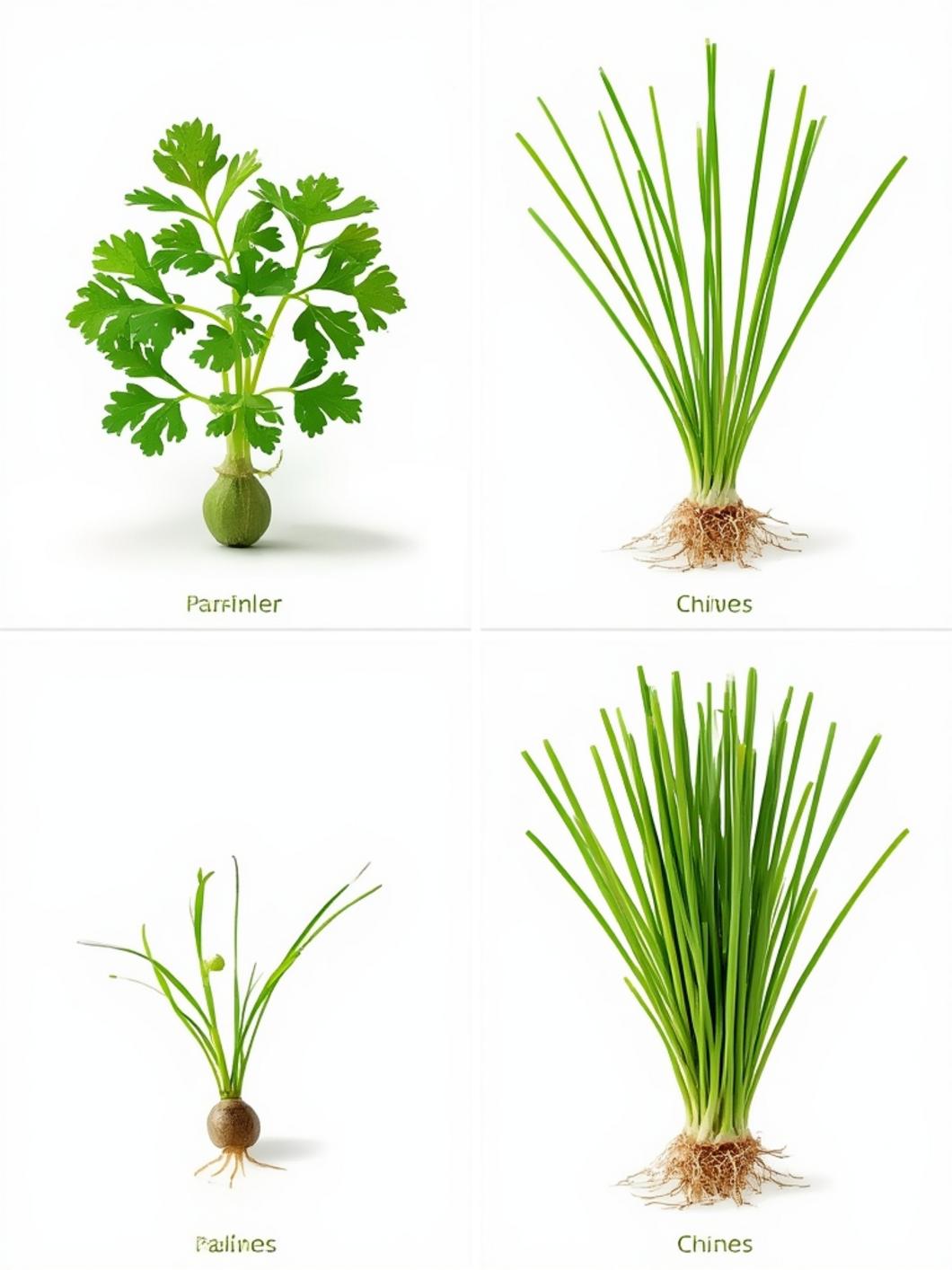
Parsley is a biennial plant that’s typically grown as an annual, while chives are perennial. Here’s when to plant and what to expect:
– Parsley: Start seeds indoors 6-8 weeks before the last frost date. Germination takes 2-3 weeks. Expect to wait 70-90 days from sowing to harvest.
– Chives: Plant seeds in early spring. Germination takes 10-14 days. First harvest can begin 90 days after sowing, but plants will produce for years once established.
– Year-round indoor growing: Both herbs can be grown indoors all year, with a 6-8 hour daily light requirement.
Compared to most vegetables, these herbs have a longer harvest window, providing fresh cuttings for months at a time.
Step-by-Step Instructions
1. Select location: Choose a spot with at least 6 hours of sunlight for outdoor growing. For indoor cultivation, select a sunny south-facing window or use grow lights.
2. Prepare containers: Fill pots with well-draining soil mix, leaving about 1 inch of space at the top. Pro tip: Add a thin layer of gravel at the bottom for improved drainage.
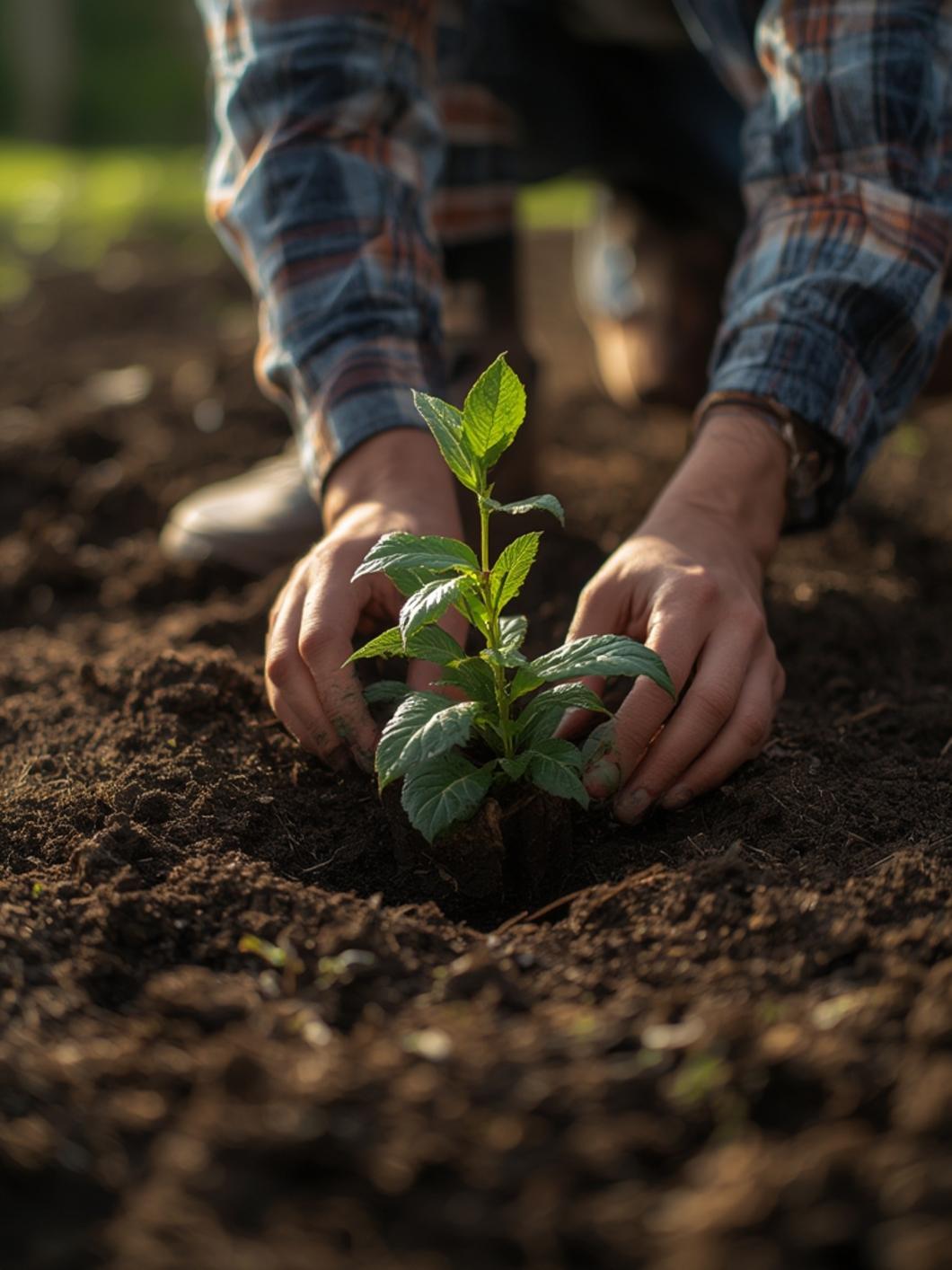
3. Planting: For parsley and chives, sow seeds ¼ inch deep. Space chive seeds 2 inches apart and thin to 4-6 inches later. Parsley seeds can be scattered thinly and thinned to 8 inches apart.
4. Watering: Keep soil consistently moist but not waterlogged. Water at the base to prevent leaf diseases.
5. Maintenance: Feed monthly with diluted liquid fertilizer once plants are established. Remove any yellowing leaves promptly.
6. Harvesting: Begin harvesting when plants reach 6 inches tall. Cut chives 1-2 inches above soil level. For parsley, harvest outer stems first, allowing inner growth to continue.
Nutritional Benefits / Advantages
These fresh herbs are nutritional powerhouses:
– Parsley: Rich in vitamins A, C, and K, plus antioxidants. Contains more vitamin C than citrus fruits by weight.
– Chives: High in vitamins A and C, folate, and minerals like potassium and calcium.
– Both herbs: Provide dietary fiber and beneficial plant compounds with anti-inflammatory properties.
– Home-grown advantage: Higher nutrient content than store-bought herbs that may lose nutrients during transportation and storage.
Tips, Alternative Methods, or Gardening Advice
– Container combinations: Plant parsley and chives together in a larger container for a convenient herb garden.
– Indoor growing: Use a south-facing windowsill or provide 12-14 hours of supplemental lighting if natural light is limited.
– Succession planting: Start new parsley seeds every 3-4 weeks for continuous harvests.
– Overwintering: Bring potted chives indoors before first frost to enjoy harvests throughout winter.
– Companion planting: Grow alongside tomatoes or roses—chives can deter certain pests.
Common Mistakes to Avoid
1. Overwatering: Causes root rot. Solution: Ensure proper drainage and allow the top inch of soil to dry between waterings.
2. Insufficient light: Results in leggy, weak plants. Solution: Provide at least 6 hours of direct sunlight or use grow lights.
3. Overcrowding: Reduces air circulation and promotes disease. Solution: Thin seedlings to recommended spacing.
4. Harvesting too much at once: Weakens plants. Solution: Never remove more than one-third of the plant at one time.
5. Poor soil: Leads to nutrient deficiencies. Solution: Use quality potting mix and fertilize regularly.
Storage / Maintenance Tips
– Harvesting: Cut herbs in the morning when their essential oils are most concentrated.
– Fresh storage: Store cut herbs in a glass of water in the refrigerator, loosely covered with a plastic bag.
– Freezing: Chop herbs, place in ice cube trays with water or oil, and freeze for long-term storage.
– Drying: Hang bunches upside down in a warm, dry place with good air circulation.
– Ongoing care: Remove flower stalks from chives to maintain leaf production. Divide chive clumps every 3-4 years for best growth.
Conclusion
Growing parsley and chives at home provides a rewarding way to enhance your cooking with fresh herbs while enjoying their numerous health benefits. With minimal investment and care, these versatile herbs can thrive in almost any space, from windowsills to garden beds. The satisfaction of snipping your own homegrown herbs for culinary creations is unmatched, and the flavor difference is immediately noticeable. Why not start your herb garden today? We’d love to hear about your herb growing experiences in the comments, or check out our other guides on growing complementary herbs for your kitchen garden.
FAQs
How often should I water my parsley and chives?
Water when the top inch of soil feels dry to the touch, typically 1-2 times per week depending on your climate and container size.
Why is my parsley taking so long to germinate?
Parsley seeds are known for slow germination, often taking 2-3 weeks. Soaking seeds overnight before planting and maintaining consistent soil moisture can help speed the process.
Can I grow these herbs from cuttings instead of seeds?
Chives are best grown from division or seeds. Parsley doesn’t root well from cuttings but can be propagated from seeds or occasionally from root divisions of established plants.
Will my herbs grow back after harvesting?
Chives will regrow multiple times after cutting. Parsley will continue producing new leaves from the center growth point as long as you don’t remove more than one-third of the plant at once.
How can I prevent pests on my herb plants?
Regularly inspect plants, maintain good air circulation, and use mild soap solutions for common pests. Companion planting with pest-repellent flowers like marigolds can also help protect your herbs.