Have you ever wondered how to bring the captivating beauty of the tropical forest floor into your home? The fascinating Maranta Leuconeura , commonly known as the Prayer plant , is one of nature’s most enchanting houseplants
with its distinctive patterned leaves that fold upward at night, resembling hands in prayer. Growing this botanical wonder at home not only adds a touch of exotic beauty to your space but also provides air-purifying benefits. Let’s discover how to successfully cultivate and care for this tropical treasure in your own living space.
Table of Contents
How to Grow and Care for a Prayer Plant at Home: Complete Guide
Materials & Supplies
To successfully grow your Prayer plant at home, you’ll need:
- Potting container: 6-8 inch pot with drainage holes
- Potting mix: Well-draining, peat-based soil mix
- Watering can: Preferably with a narrow spout for precise watering
- Spray bottle: For misting and increasing humidity
- Humidity tray: Optional, but helpful for maintaining moisture levels
- Pruning shears: For trimming and maintaining plant shape
- Fertilizer: Balanced liquid houseplant fertilizer (diluted to half strength)
- Thermometer: To monitor ideal temperature conditions
- Pebbles: For drainage layer and humidity trays
- Neem oil: For organic pest control
Timing / Growing Schedule
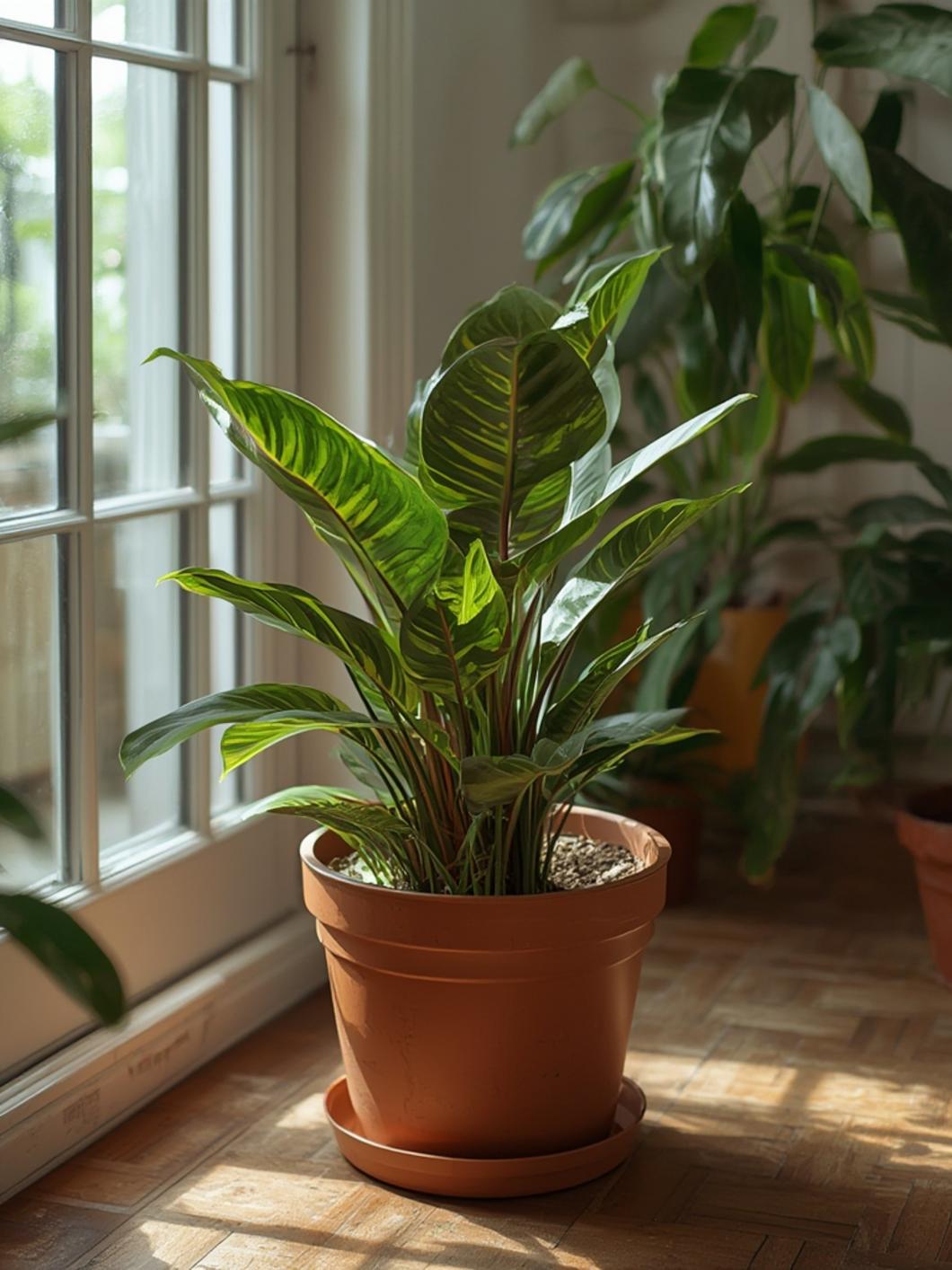
The Maranta Leuconeura is a perennial houseplant that grows year-round but has specific seasonal needs:
- Spring & Summer: Active growth period, requiring more frequent watering and monthly fertilizing
- Fall & Winter: Dormant period with reduced watering and no fertilization
- Propagation Time: Early spring is ideal for division and propagation
- Repotting: Every 1-2 years in spring when roots become visible through drainage holes
Unlike seasonal flowers or vegetables, the Prayer plant doesn’t follow strict planting and harvesting schedules, making it perfect for year-round indoor enjoyment.
Step-by-Step Instructions
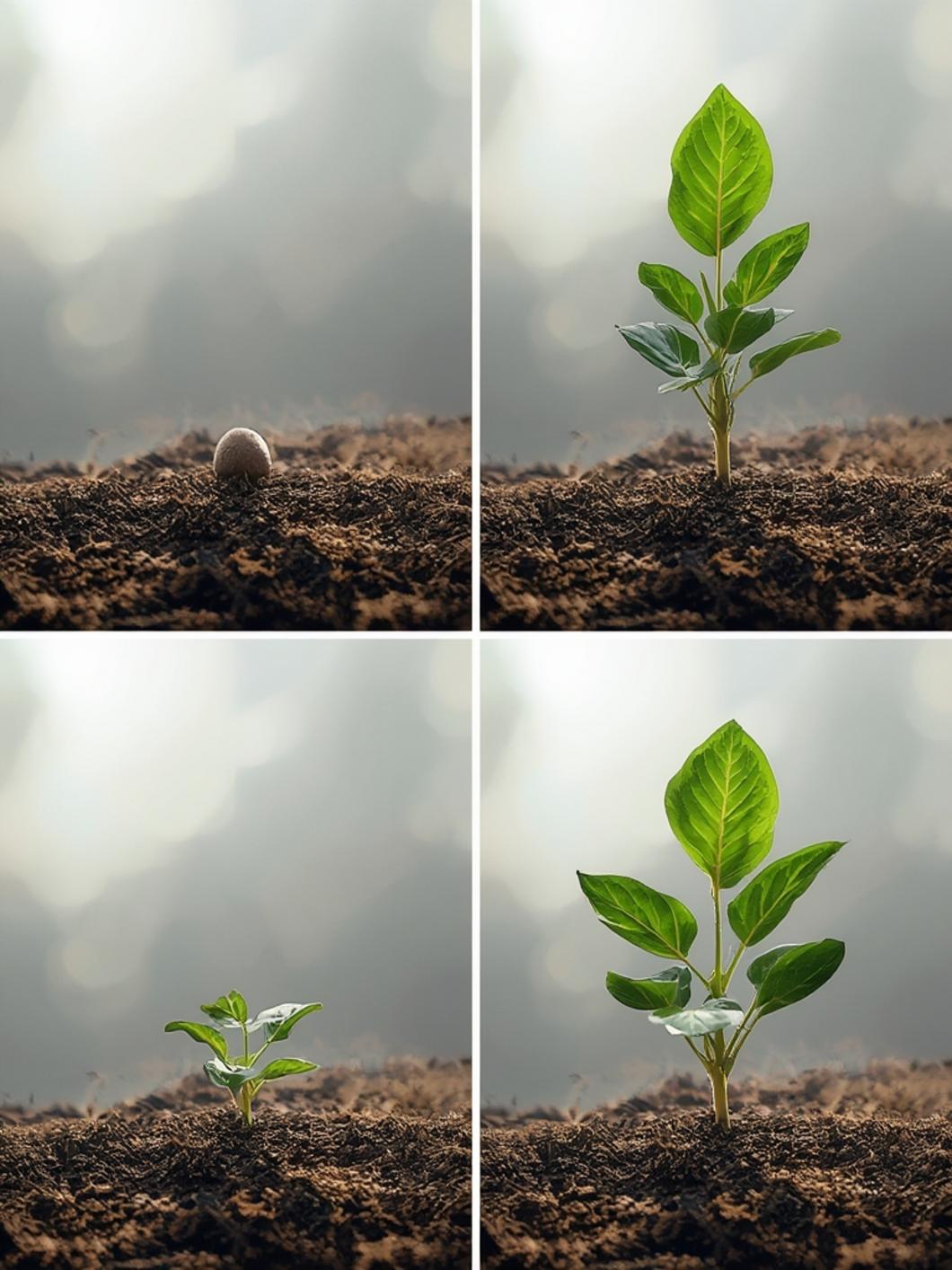
1. Select the right location: Place your Maranta Leuconeura in bright, indirect light. Direct sunlight can scorch the delicate leaves, while too little light diminishes the striking leaf patterns.
2. Prepare the potting mix: Create a mixture of 2 parts peat moss, 1 part perlite, and 1 part potting soil for ideal drainage and moisture retention.
3. Plant properly: Fill your pot halfway with soil mix, position the Prayer plant , then add soil around it, leaving 1 inch of space below the rim.
4. Establish watering routine: Keep soil consistently moist but not soggy. Water when the top inch feels dry, typically every 5-7 days depending on your home environment.
5. Maintain humidity: Mist leaves daily or place on a pebble tray with water. Group with other plants to create a humid microclimate.
6. Fertilize appropriately: Apply diluted liquid fertilizer monthly during growing season (spring through summer).
7. Rotate regularly: Turn your plant quarterly to ensure even growth and prevent leaning toward light sources.
Nutritional Benefits / Advantages
While not edible, the Maranta Leuconeura offers impressive benefits:
- Air purification: Removes toxins like formaldehyde from indoor air
- Humidity improvement: Releases moisture through transpiration, benefiting respiratory health
- Stress reduction: Studies show that caring for houseplants reduces psychological and physiological stress
- Biophilic connection: Fosters a connection to nature, improving mood and cognitive function
- Decorative appeal: Provides stunning visual interest with minimal space requirements
Tips, Alternative Methods, or Gardening Advice
- Terrarium growing: Create a miniature ecosystem with small Prayer plant varieties for ultra-high humidity
- Bathroom placement: The natural steam from showers provides ideal humidity levels
- Kokedama technique: Create a moss ball planter for a hanging display that showcases the folding leaf movement
- Grouping strategy: Pair with other tropical plants like ferns and calatheas to create a maintenance-efficient humidity zone
- LED grow lights: Supplement natural light during winter months with specialized plant lights
Common Mistakes to Avoid

1. Overwatering: Leads to root rot. Solution: Ensure proper drainage and allow top inch of soil to dry between waterings.
2. Using cold water: Causes leaf spotting. Solution: Use room temperature or slightly warm water.
3. Low humidity: Results in brown leaf edges. Solution: Increase humidity with misting, humidifier, or pebble trays.
4. Improper lighting: Causes faded patterns. Solution: Provide bright, filtered light away from direct sun.
5. Temperature fluctuations: Stresses the plant. Solution: Keep away from drafts, heaters, and air conditioning vents.
Storage / Maintenance Tips
- Dust leaves: Wipe with a damp cloth monthly to maintain photosynthesis efficiency
- Prune leggy growth: Trim lanky stems to encourage bushier growth
- Inspect regularly: Check undersides of leaves for pests weekly
- Winter care: Reduce watering by 30-50% during dormancy
- Leaf cleaning: Remove brown or yellow leaves promptly to prevent disease spread
- Annual refresh: Remove top inch of soil and replace with fresh mix each spring
Conclusion
Growing the Maranta Leuconeura at home rewards you with a fascinating, living display of nature’s artistry. With its distinctive folding habit and striking leaf patterns, the Prayer plant brings tropical charm and natural benefits to any indoor space. By following these care guidelines and understanding its unique needs, you’ll enjoy a thriving specimen that becomes a conversation piece in your home. Ready to start your Prayer plant journey? Share your experience in the comments below or check out our guides on other tropical houseplants!
FAQs
Why are my Prayer plant’s leaves curling inward during the day?
This typically indicates low humidity. Increase misting frequency or add a small humidifier near the plant to restore proper leaf appearance.
Can I propagate my Maranta Leuconeura, and if so, how?
Yes! The easiest method is division during repotting. Gently separate the root ball into sections, ensuring each has several leaves and healthy roots before potting individually.
Why is my Prayer plant not “praying” at night?
This could be due to insufficient light contrast between day and night. Ensure your plant experiences darkness at night without nearby artificial lighting interfering with its natural rhythm.
How can I prevent spider mites on my Prayer plant?
Maintain high humidity, regularly mist leaves, and occasionally wipe foliage with a neem oil solution. Inspect undersides of leaves weekly for early detection.
Is it normal for my Prayer plant to occasionally drop leaves?
Some leaf drop is normal, especially older leaves. However, excessive leaf drop could indicate improper watering, temperature stress, or pest problems that need addressing.