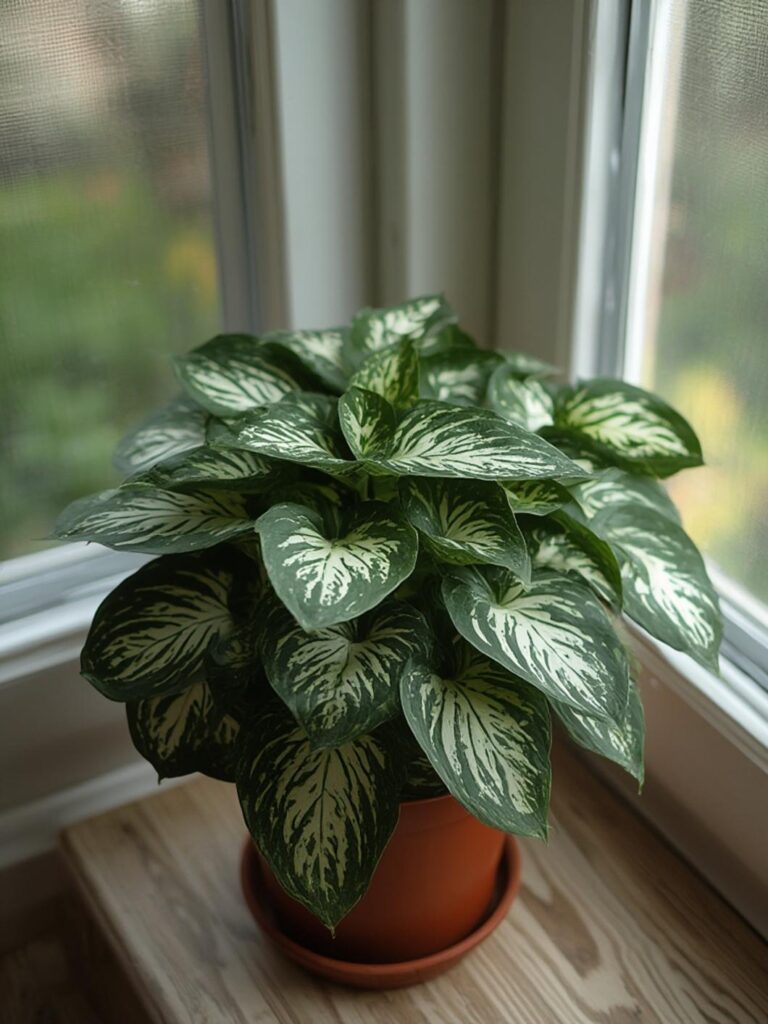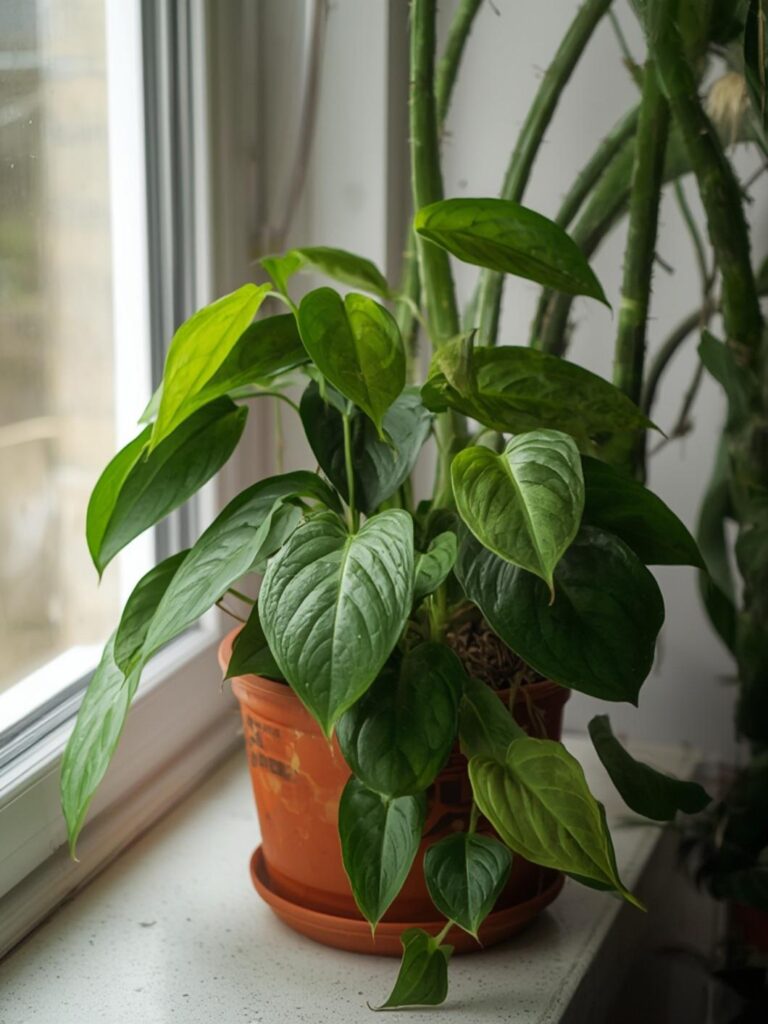
Have you ever admired the stunning silvery sheen of a beautifully maintained Silver Satin Pothos in someone’s home and wondered if you could grow one too? This popular houseplant, botanically known as Scindapsus pictus ,
is beloved for its heart-shaped leaves adorned with silver variegation patterns that add elegance to any space. Growing Silver Satin Pothos at home brings numerous benefits, including improved air quality, stress reduction, and an instant aesthetic upgrade to your interior décor. Let’s dive into everything you need to know about cultivating this stunning vine in your own home.
Table of Contents
How to Grow and Care for Silver Satin Pothos: A Complete Guide
Materials & Supplies
To successfully grow your Silver Satin Pothos, gather these essential items:
1. Potting container – 6-8 inch pot with drainage holes
2. Well-draining potting mix – A mix specifically for aroids or indoor plants
3. Peat moss or coco coir – For additional moisture retention
4. Perlite or orchid bark – To improve drainage
5. Trellis or moss pole (optional) – For climbing support
6. Pruning shears – For maintenance and propagation
7. Watering can – With a narrow spout for controlled watering
8. Liquid houseplant fertilizer – Balanced, diluted to half-strength
9. Spray bottle – For misting and increasing humidity
10. Plant saucer – To catch excess water
Timing / Growing Schedule
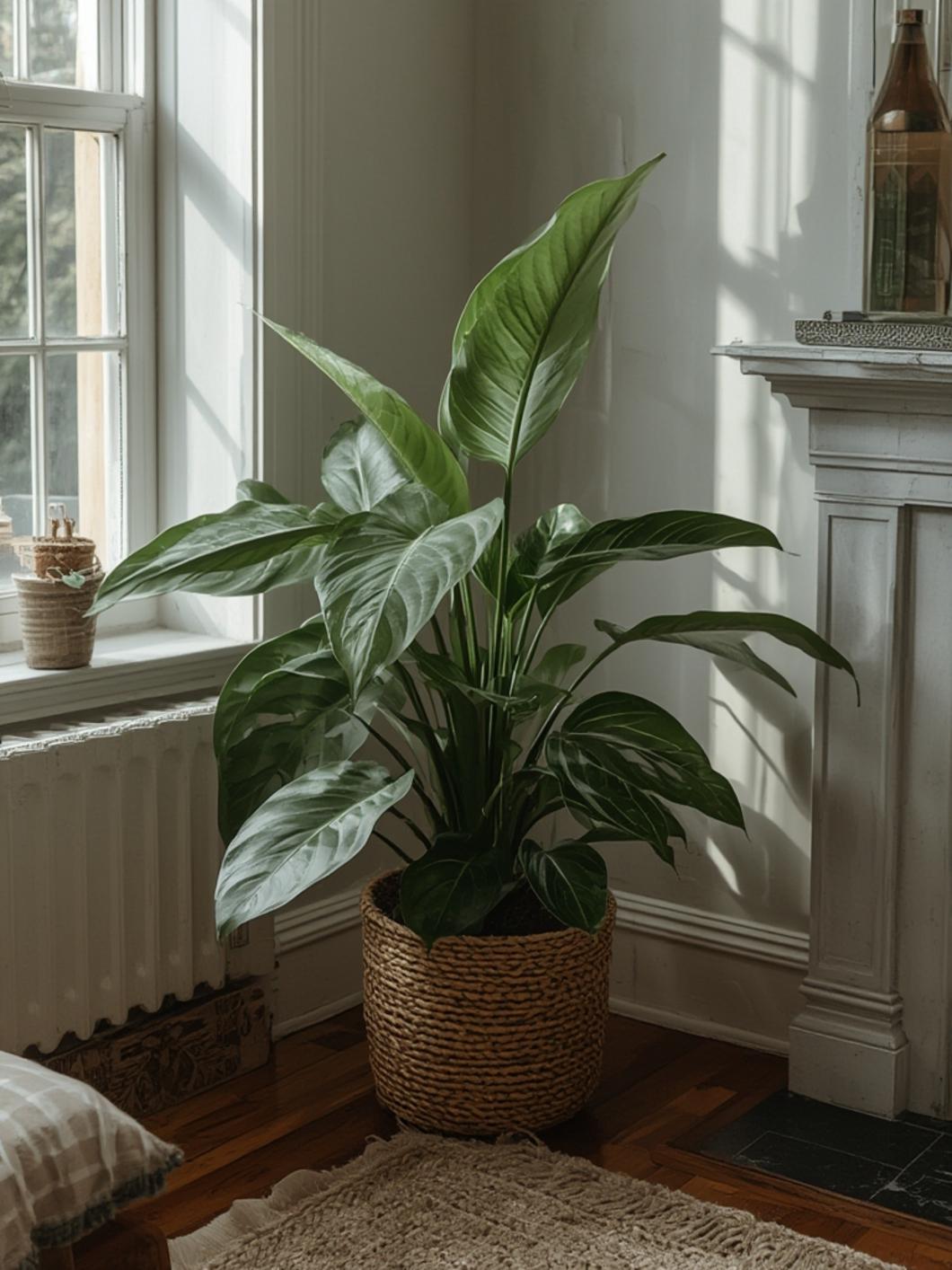
Silver Satin Pothos grows year-round as a houseplant but follows specific seasonal patterns:
- Spring/Summer (Growing Season): Expect noticeable growth with new leaves appearing every 1-2 weeks. This is the prime time for propagation.
- Fall/Winter (Dormancy): Growth slows significantly; plants may produce only 1-2 new leaves per month.
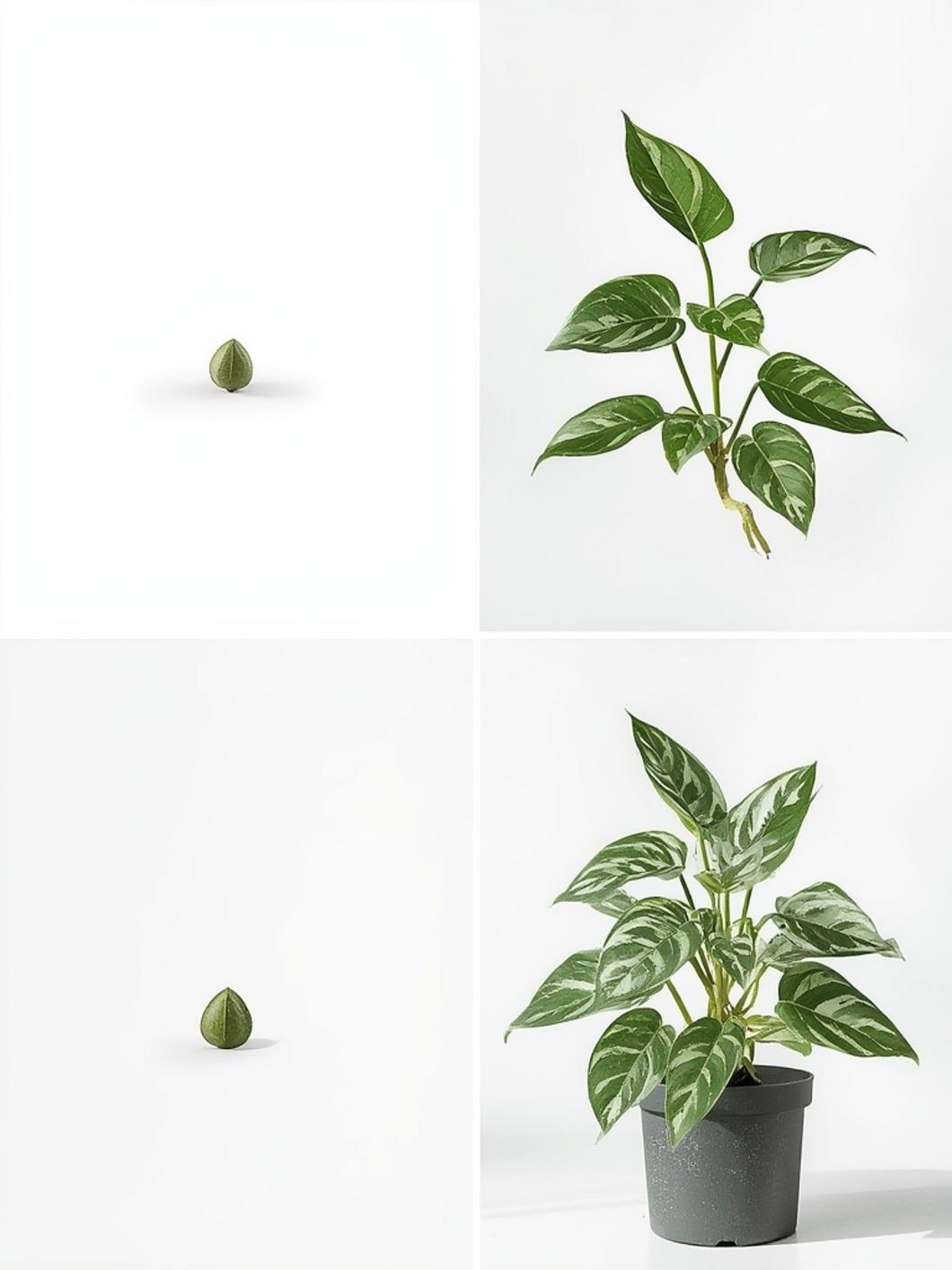
- Maturity Timeline: A small starter plant will develop into a full, trailing specimen within 6-12 months under proper conditions.
- Propagation Time: Cuttings typically root within 2-4 weeks in water and establish in soil within 1-2 months.
Unlike seasonal outdoor plants, your Silver Satin Pothos will continue developing year-round, though at varying rates depending on light conditions and temperature.
Step-by-Step Instructions
1. Select the right location – Place your Silver Satin Pothos in bright, indirect light. A north or east-facing window is ideal. Avoid direct sunlight which can scorch the leaves.
2. Prepare your pot and soil – Mix equal parts indoor potting soil, peat moss, and perlite for optimal drainage. Fill your pot halfway with this mixture.
3. Plant your Pothos – Remove the plant from its nursery container, gently loosen the roots, and place it in the new pot. The top of the root ball should sit about an inch below the pot rim.
4. Add remaining soil – Fill in around the plant with your soil mixture, pressing gently to remove air pockets without compacting too firmly.
5. Water thoroughly – Give your newly potted Scindapsus pictus a deep watering until water flows from the drainage holes. Allow excess water to drain completely.
6. Establish a care routine – Water when the top 1-2 inches of soil feels dry to touch, typically every 7-10 days depending on your home’s conditions.
7. Support climbing growth – As vines lengthen, guide them onto a moss pole or trellis, securing with plant ties or clips for an upright growth pattern.
Nutritional Benefits / Advantages
While not edible, Silver Satin Pothos offers impressive health and environmental benefits:
- Air purification – Removes toxins like formaldehyde, benzene, and xylene from indoor air
- Humidity regulation – Releases moisture through transpiration, improving air quality
- Psychological benefits – Studies show that houseplants reduce stress and improve concentration
- Low resource consumption – Requires minimal water and nutrients compared to many other houseplants
- Allergen reduction – Traps dust particles that might otherwise circulate in your home
Tips, Alternative Methods, or Gardening Advice
- Hanging baskets – Allow vines to cascade for a dramatic display in smaller spaces
- Bathroom placement – Thrives in naturally humid environments like bathrooms with adequate light
- Terrarium growing – Smaller specimens do well in closed or semi-closed glass containers
- Water propagation – Display cuttings in decorative glass containers as they develop roots
- Kokedama style – Create a moss ball planter for an Asian-inspired look
Common Mistakes to Avoid

1. Overwatering – The most common killer of Silver Satin Pothos. Wait until the top 1-2 inches of soil is dry before watering again.
2. Insufficient light – While tolerant of lower light, too little light causes leggy growth and diminished silver variegation.
3. Cold drafts – Exposure to cold air from windows, doors, or AC units can damage leaves. Keep plants away from drafty areas.
4. Ignoring dust buildup – Dusty leaves can’t photosynthesize efficiently. Wipe leaves monthly with a damp cloth.
5. Skipping humidity measures – In dry environments, leaves may brown at the edges. Increase humidity with pebble trays or humidifiers.
Storage / Maintenance Tips
- Watering schedule – Water when the top 1-2 inches of soil feels dry, reducing frequency in winter
- Fertilization – Apply diluted liquid fertilizer monthly during growing season (spring/summer), none during winter
- Pruning – Trim leggy vines to encourage bushier growth; use cuttings for propagation
- Repotting – Move to a pot 1-2 inches larger every 1-2 years, or when roots circulate around the pot’s interior
- Pest management – Inspect regularly for mealybugs and spider mites; treat with insecticidal soap or neem oil at first sign
Conclusion
Growing a Silver Satin Pothos at home rewards you with a stunning, low-maintenance houseplant that enhances your living space both visually and environmentally. With proper light, watering, and occasional maintenance, your Scindapsus pictus will thrive for years, potentially becoming a dramatic focal point in your indoor garden. Start with these guidelines, adapt to your specific home environment, and enjoy watching this beautiful plant grow and transform your space. We’d love to hear about your experience growing this silvery beauty—share your journey in the comments below or explore our other houseplant guides for more green inspiration!
FAQs
How often should I water my Silver Satin Pothos?
Water when the top 1-2 inches of soil feels dry to the touch, typically every 7-10 days depending on your home’s temperature and humidity levels.
Why are the silver markings on my Pothos leaves fading?
Fading silver variegation usually indicates insufficient light. Move your plant to a brighter location with indirect light to restore the distinctive patterning.
Can Silver Satin Pothos grow in water permanently?
While cuttings root readily in water, long-term water growth isn’t ideal. Plants grown exclusively in water typically have less vibrant foliage and slower growth compared to soil-grown specimens.
Is Silver Satin Pothos toxic to pets?
Yes, Silver Satin Pothos contains calcium oxalate crystals that are toxic to cats, dogs, and other pets if ingested, potentially causing oral irritation, excessive drooling, and digestive upset.
How can I make my Silver Satin Pothos fuller and bushier?
Regular pruning encourages branching and fuller growth. Cut just above a leaf node, and consider pinching growing tips to promote lateral growth rather than just lengthening vines.