Have you ever dreamed of bringing a touch of tropical elegance to your home? The magnificent Strelitzia Nicolai , also known as the White Bird of Paradise or Giant Bird of Paradise, might be exactly what you’re looking for. This stunning plant can transform any space with its large, banana-like leaves and dramatic presence. Proper Strelitzia Nicolai care
isn’t as complicated as you might think, making it an accessible choice for both beginners and experienced plant parents. With some basic knowledge and attention, you can successfully grow this tropical beauty in your own home.
Table of Contents
How to Grow and Care for Strelitzia Nicolai: The Majestic Bird of Paradise
Materials & Supplies
To successfully grow and maintain your Strelitzia Nicolai, you’ll need:
- A mature Strelitzia Nicolai plant or seeds (though plants are recommended for beginners)
- Well-draining potting mix or a mix of regular potting soil, perlite, and orchid bark
- A large pot (at least 12-14 inches) with drainage holes
- Indoor plant fertilizer (balanced NPK ratio)
- Watering can
- Spray bottle for misting
- Pruning shears
- Plant support stakes (optional, for larger plants)
- Neem oil (for pest prevention)
- Humidity tray or humidifier (for drier environments)
Timing / Growing Schedule
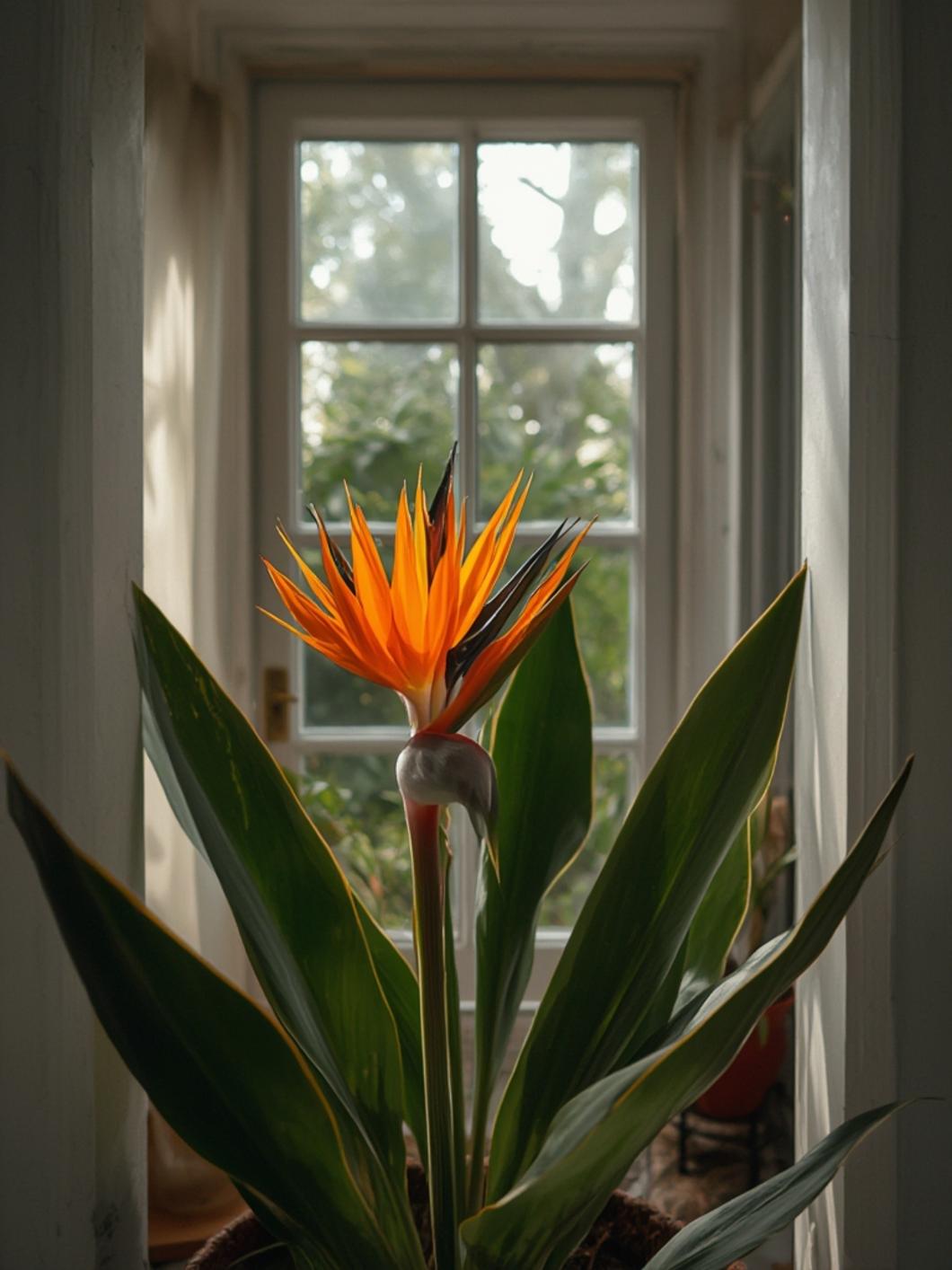
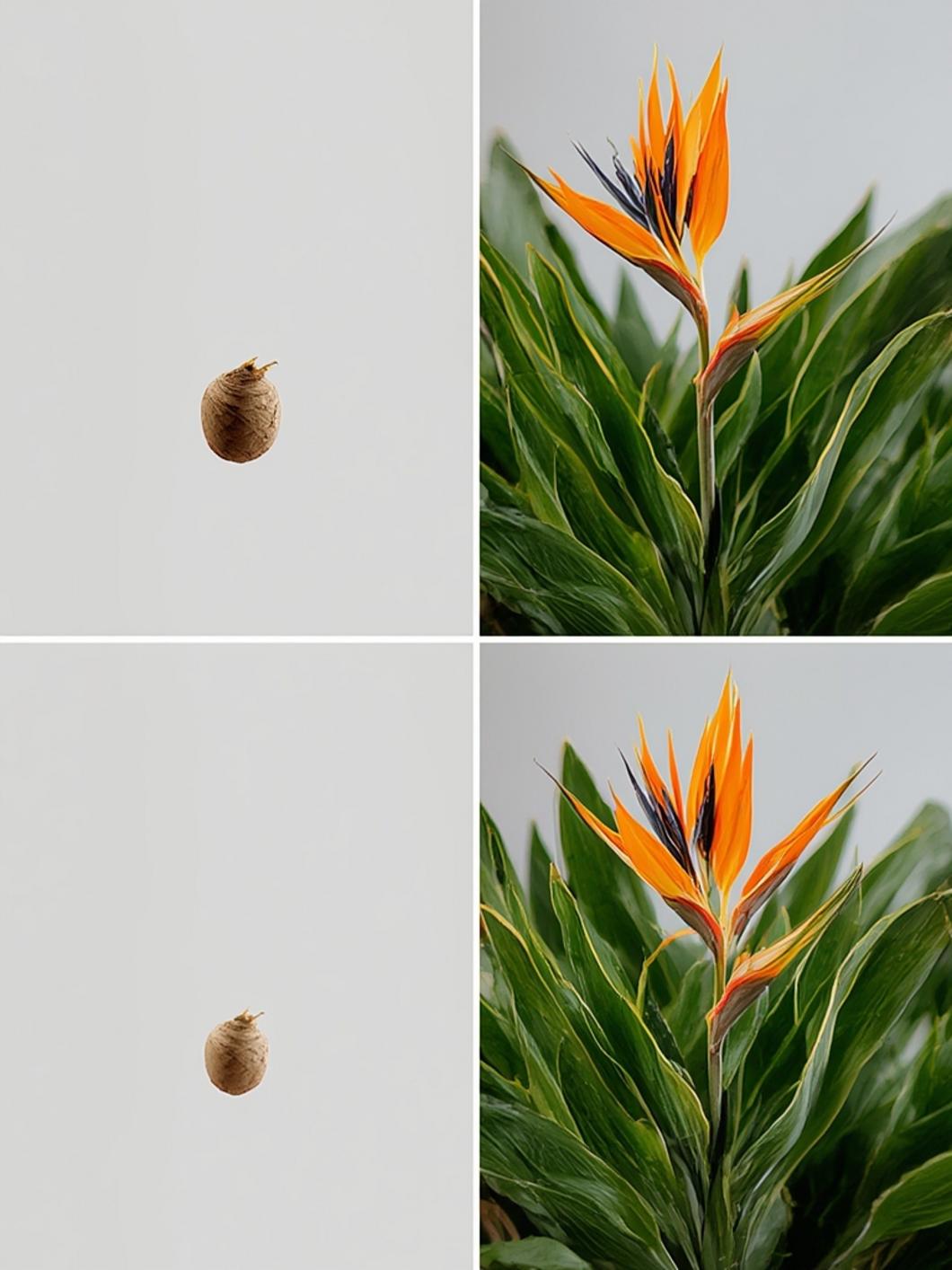
Strelitzia Nicolai is a slow-growing plant that requires patience. When starting with a mature plant, expect:
- Establishment period: 2-4 weeks for the plant to adjust to its new environment
- Growth rate: New leaves every 4-6 weeks under optimal conditions
- Maturity: 3-5 years to reach full maturity in indoor settings
- Flowering: Rarely flowers indoors, but outdoors can produce stunning white flowers with blue “tongues” after 3-5 years
- Repotting schedule: Every 2-3 years or when roots become visible through drainage holes
Step-by-Step Instructions
1. Select the perfect location: Place your Strelitzia Nicolai in bright, indirect light. These plants thrive near east or west-facing windows where they’ll receive morning or evening sun. Avoid harsh afternoon sun that can scorch the leaves.
2. Prepare the pot and soil: Choose a pot 2-3 inches larger than the current root ball with good drainage holes. Fill the bottom with a layer of gravel, then add your well-draining potting mix.
3. Planting: Gently remove the plant from its nursery pot, loosen the roots slightly, and place it in the new pot at the same depth as before. Fill in around the roots with soil and press firmly but gently.
4. Watering routine: Establish a consistent Strelitzia Nicolai care watering schedule. Allow the top 1-2 inches of soil to dry out between waterings. Reduce watering in winter when growth slows.
5. Fertilizing: Feed monthly during the growing season (spring and summer) with a balanced houseplant fertilizer diluted to half strength. Skip fertilizing during fall and winter.
6. Maintenance: Dust leaves regularly with a damp cloth to keep them looking their best and to prevent pest issues. Rotate the plant quarterly for even growth.
Nutritional Benefits / Advantages
While Strelitzia Nicolai isn’t edible, it offers numerous benefits:
- Air purification properties that help remove toxins from your home
- Increased humidity levels that can benefit your skin and respiratory health
- Psychological benefits through biophilic design, reducing stress and improving mood
- Natural sound absorption qualities that can help reduce noise in your home
- Dramatic focal point that enhances interior design and creates a tropical atmosphere
Tips, Alternative Methods, or Gardening Advice
- For small spaces: Choose a dwarf variety or simply prune more aggressively to control size
- In low-light conditions: Supplement with grow lights during darker months
- For beginners: Start with a mature plant rather than seeds for faster results
- For outdoor growth: Only suitable in USDA zones 9b-11 with protection from strong winds
- For increased humidity: Group with other tropical plants or place on a pebble tray with water
Common Mistakes to Avoid
1. Overwatering: The number one killer of Strelitzia Nicolai. Always check soil moisture before watering.
2. Insufficient light: Results in leggy growth and fewer leaves. Move to a brighter location if leaves look pale.
3. Ignoring pests: Check regularly for spider mites and scale insects, especially on the undersides of leaves.
4. Using pots without drainage: Always ensure proper drainage to prevent root rot.
5. Frequent repotting: These plants prefer to be slightly root-bound; only repot when necessary.
Storage / Maintenance Tips
- Pruning: Remove damaged or yellowing leaves at the base using clean, sharp scissors.
- Cleaning: Wipe dust from leaves monthly with a damp cloth to keep stomata clear.
- Winter care: Reduce watering and move away from cold drafts or heating vents.
- Division: Large plants can be divided during repotting if desired, though this can stress the plant.
- Leaf splitting: The natural splitting of leaves is normal and desirable; it helps the plant withstand wind.
Conclusion
Growing a majestic Strelitzia Nicolai at home is a rewarding experience that brings tropical beauty to your living space. With proper Strelitzia Nicolai care and attention to its basic needs, this dramatic plant will thrive and potentially become a family heirloom passed down through generations. Start your tropical plant journey today, and don’t forget to share your Strelitzia success stories in the comments below!
FAQs
How often should I water my Strelitzia Nicolai?
Wait until the top 1-2 inches of soil are dry, typically every 7-10 days in summer and less frequently in winter. Always check soil moisture before watering.
Why are the leaves on my Strelitzia Nicolai turning yellow?
Yellowing leaves usually indicate overwatering, poor drainage, or nutrient deficiencies. Check your watering routine first and ensure the pot has proper drainage.
Can Strelitzia Nicolai grow in low light?
While they can survive in moderate indirect light, they won’t thrive or produce new growth in low light conditions. Bright, indirect light is best for healthy growth.
How big will my indoor Strelitzia Nicolai get?
Indoor plants typically reach 5-8 feet tall with proper care, though they can grow up to 20+ feet outdoors in ideal conditions.
Why aren’t the leaves splitting on my Strelitzia Nicolai?
Leaf splitting is a sign of maturity and proper growing conditions. Young plants or those in low light may not develop the characteristic splits. Patience and optimal care will encourage this natural process.