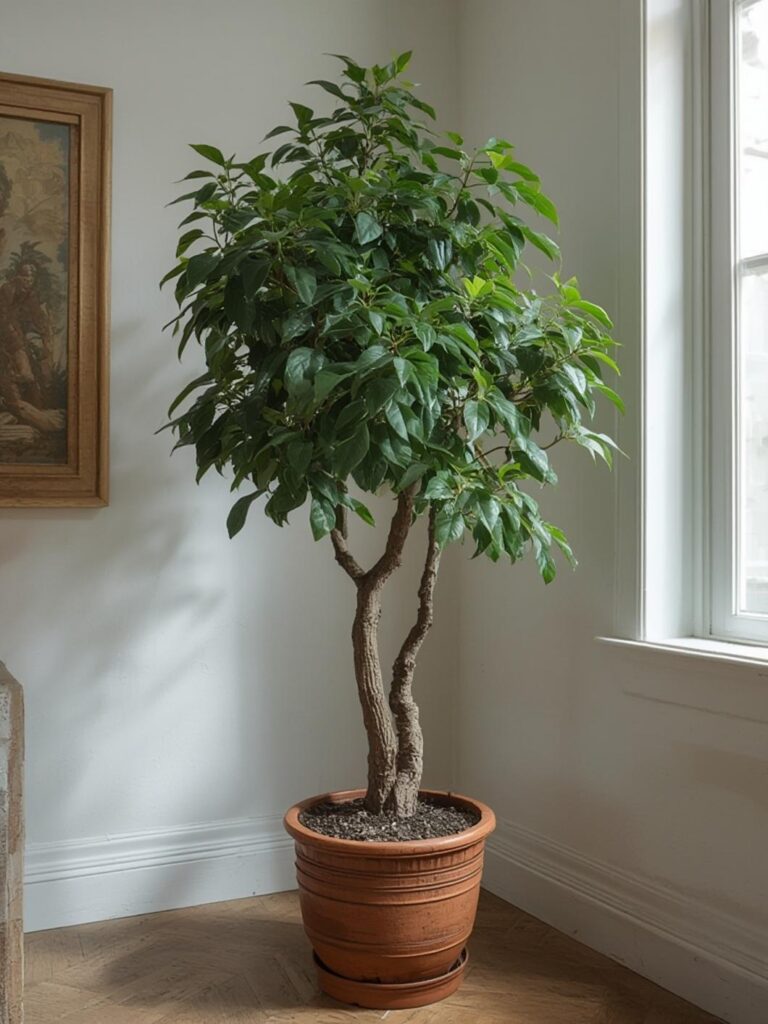
Have you ever wanted to add a touch of feathery elegance to your indoor or outdoor space? The Asparagus Fern might be just what you’re looking for. Despite its name, this graceful plant isn’t actually a fern at all, but a member of the lily family. The Asparagus densiflorus
is known for its arching stems and feathery, light foliage that adds texture and visual interest to any garden or home. Growing this versatile plant at home is surprisingly straightforward and rewards you with years of lush greenery with minimal effort.
Table of Contents
How to Grow and Care for the Beautiful Asparagus Fern at Home
Materials & Supplies
To successfully grow your asparagus fern, you’ll need:
– Well-draining potting mix or soil with added perlite
– Container with drainage holes (plastic, ceramic, or terracotta)
– Organic fertilizer (slow-release or liquid)
– Spray bottle for misting
– Watering can
– Pruning shears or scissors
– Gloves (optional but recommended as the plant has small thorns)
– Humidity tray (for indoor plants)
– Organic mulch (for outdoor planting)
Timing / Growing Schedule
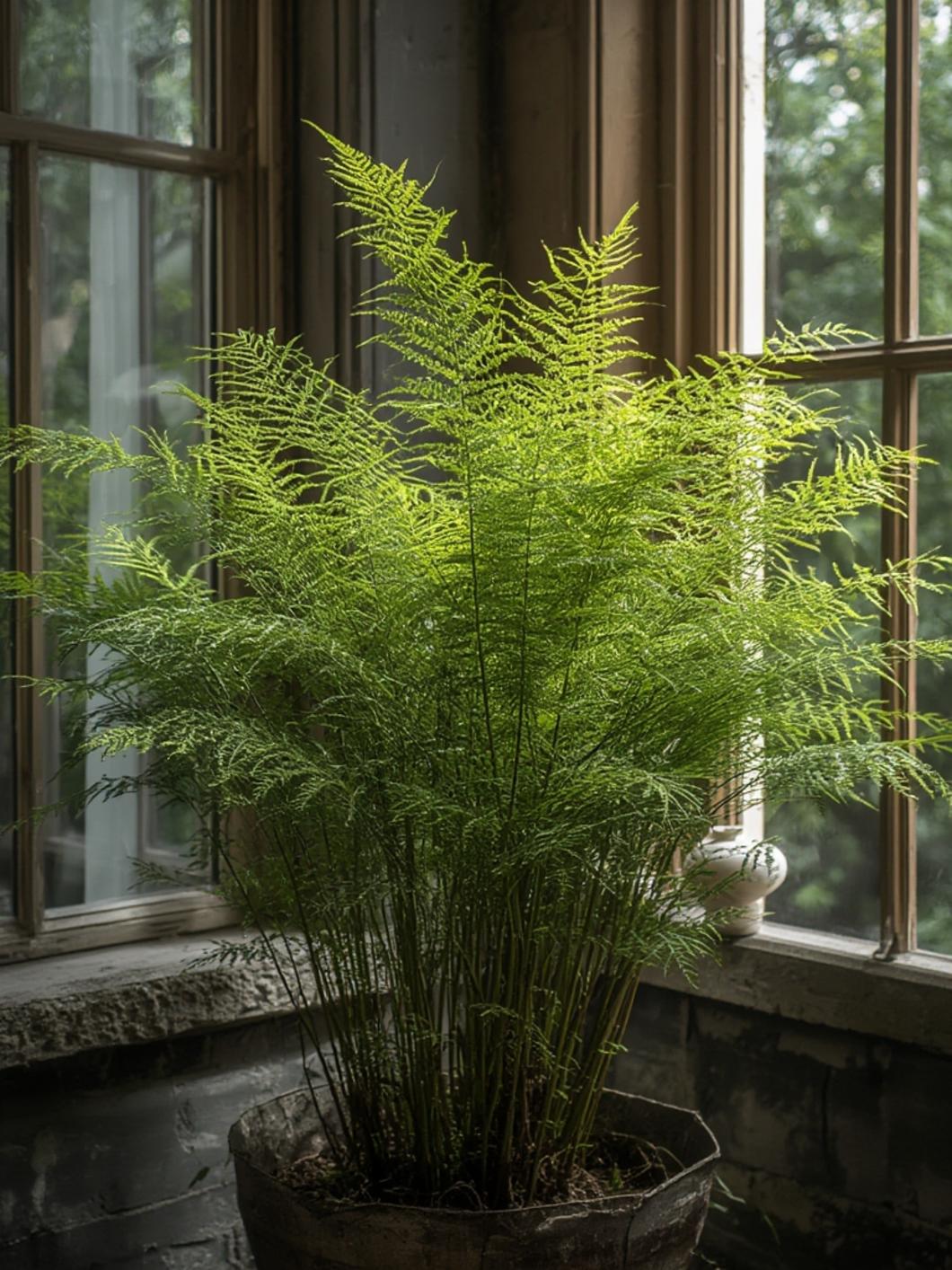
The asparagus fern is a perennial plant that grows year-round in warm climates. For best results:
– Planting time: Spring or early summer is ideal
– Growth period: Continuous throughout the year, with fastest growth during spring and summer
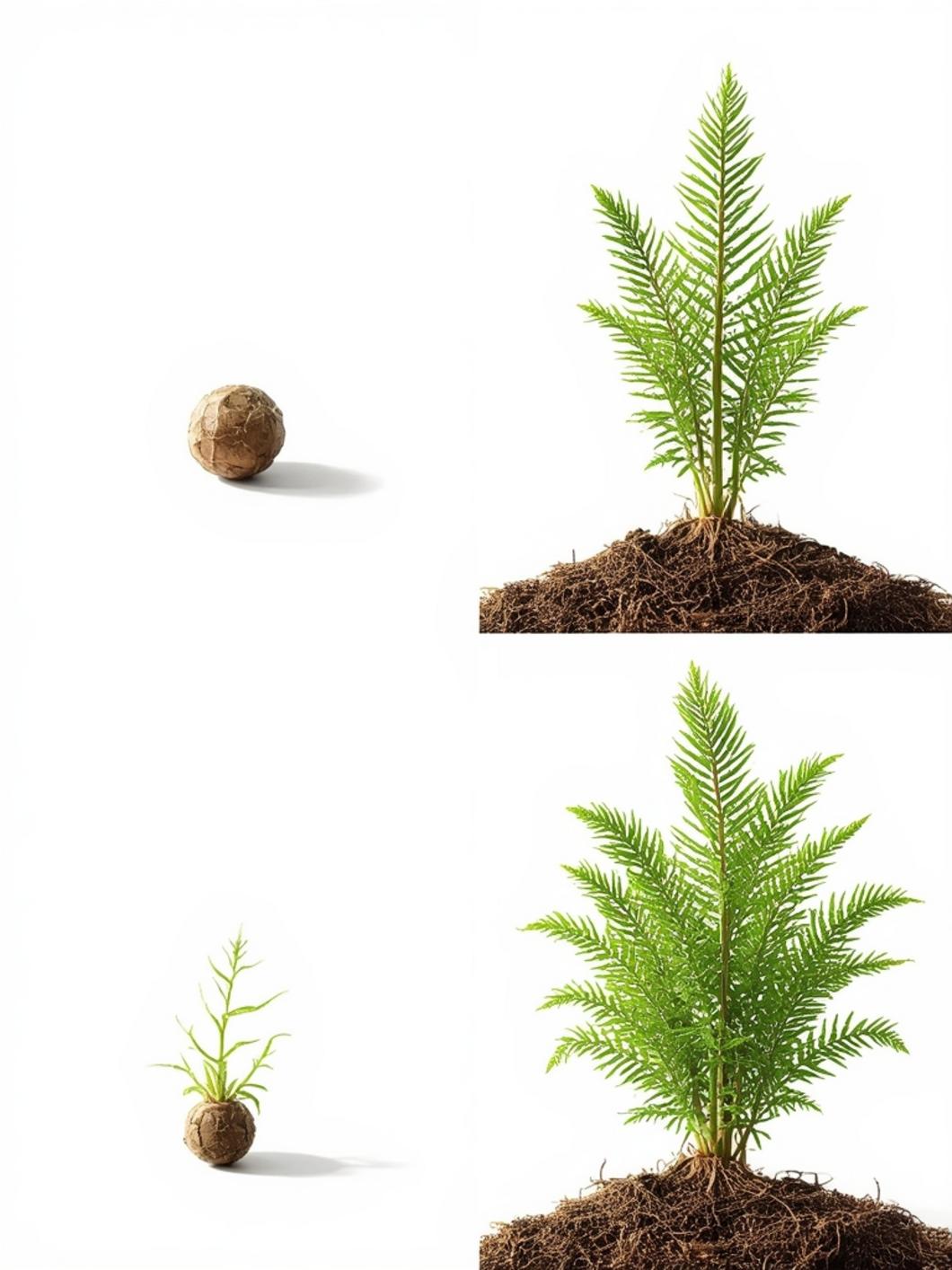
– Maturity: Reaches full size in about 2-3 years
– Division schedule: Every 2-3 years to prevent overcrowding
Unlike true ferns that require months to establish, asparagus ferns quickly adapt to new environments within 2-4 weeks after planting or repotting.
Step-by-Step Instructions
1. Selecting your location: Choose a bright spot with indirect light. The Asparagus Fern thrives in partial shade outdoors or bright, filtered light indoors.
2. Preparing the container: Fill your chosen pot with well-draining potting mix, leaving about an inch of space at the top.
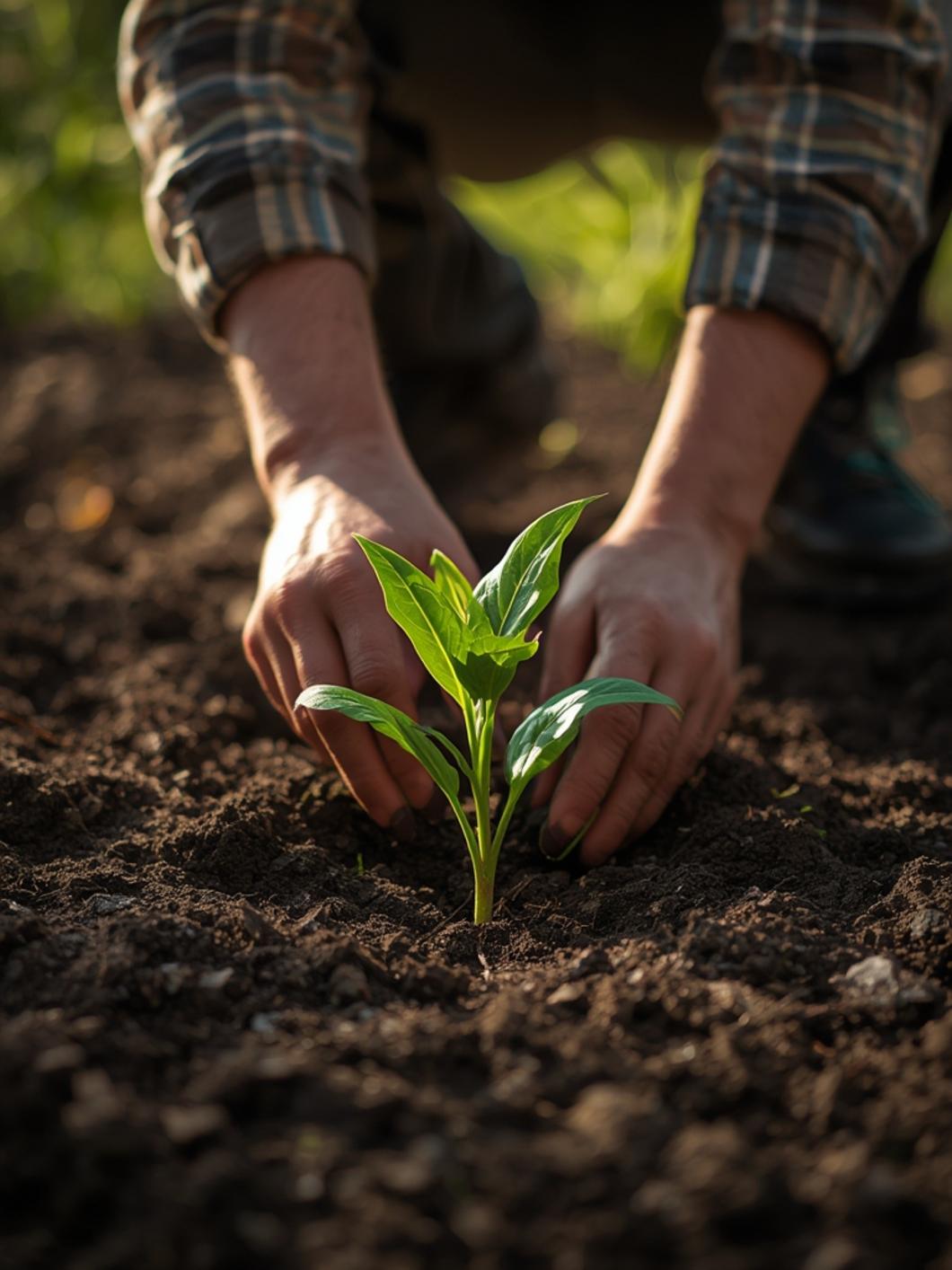
3. Planting: Dig a hole in the center of the pot slightly larger than the root ball of your Asparagus densiflorus . Place the plant in the hole and gently fill in with soil, pressing lightly to eliminate air pockets.
4. Initial watering: Thoroughly water until moisture runs from the drainage holes, then allow the soil to dry slightly before watering again.
5. Ongoing care: Maintain consistent moisture but avoid waterlogging. Mist regularly to increase humidity, especially in dry indoor environments.
6. Fertilizing: Apply a balanced, water-soluble fertilizer monthly during the growing season (spring and summer) and reduce to every two months during fall and winter.
Nutritional Benefits / Advantages
While the asparagus fern isn’t edible (in fact, its berries are toxic), it offers numerous other benefits:
– Air purification: Removes toxins from indoor air
– Humidity regulation: Naturally increases moisture in dry indoor environments
– Stress reduction: Studies show that indoor plants can reduce stress and improve mood
– Versatility: Works as a hanging plant, tabletop specimen, or ground cover
– Low allergen impact: Unlike many flowering plants, it produces minimal allergens
Tips, Alternative Methods, or Gardening Advice
– Hanging baskets: The cascading nature of asparagus fern makes it perfect for hanging planters.
– Terrarium growing: Smaller varieties thrive in terrarium environments with high humidity.
– Outdoor use: In zones 9-11, use as a ground cover or border plant in shaded areas.
– Propagation: Divide mature plants during repotting to create new plants.
– Winter care: In colder regions, bring outdoor plants inside before the first frost.
Common Mistakes to Avoid
1. Overwatering: This is the most common cause of asparagus fern decline. Allow the top inch of soil to dry before watering again.
2. Too much direct sunlight: Despite enjoying bright light, direct sun will scorch the delicate fronds.
3. Ignoring humidity needs: Low humidity causes browning foliage tips. Regular misting helps prevent this issue.
4. Skipping pruning: Without occasional trimming, plants become leggy and lose their attractive shape.
5. Repotting too frequently: These plants prefer to be slightly root-bound; repot only every 2-3 years.
Storage / Maintenance Tips
– Pruning: Trim yellowing or damaged fronds at the base to encourage new growth.
– Seasonal care: Reduce watering in winter when growth slows.
– Pest management: Watch for spider mites and mealybugs; treat with insecticidal soap if needed.
– Cleaning: Dust foliage regularly with a soft, damp cloth to keep it looking fresh.
– Support: Provide stakes for taller varieties to prevent stem breakage.
Conclusion
The Asparagus Fern offers a perfect combination of beauty, versatility, and relatively easy care that makes it an excellent choice for both beginner and experienced plant enthusiasts. With its delicate appearance but surprisingly robust nature, the Asparagus densiflorus can transform any space into a lush, green sanctuary. Why not add this stunning plant to your collection and enjoy its graceful presence year-round? We’d love to hear about your experiences growing asparagus ferns in the comments below!
FAQs
Is asparagus fern toxic to pets?
Yes, asparagus fern is toxic to cats and dogs if ingested. The berries are particularly dangerous, so keep the plant out of reach of curious pets.
How often should I water my asparagus fern?
Water when the top inch of soil feels dry to the touch, typically every 5-7 days indoors, more frequently in hot or dry conditions.
Why is my asparagus fern turning yellow?
Yellowing fronds usually indicate overwatering, underwatering, or insufficient light. Check soil moisture and adjust your care routine accordingly.
Can asparagus fern survive outdoors in winter?
In USDA zones 9-11, asparagus fern can survive outdoors year-round. In colder regions, bring it indoors before temperatures drop below 55°F (13°C).
How big will my asparagus fern grow?
Most indoor specimens reach 2-3 feet in height and spread, while outdoor plants in ideal conditions can spread up to 6-8 feet wide.