Have you ever walked into a room and immediately felt drawn to the cascade of vibrant green leaves trailing from a shelf or hanging basket? The popular pothos houseplant is not only visually stunning but also one of the easiest plants to grow for beginners and experienced gardeners alike.
With minimal care requirements and impressive air-purifying abilities, pothos plants can transform any space while requiring little attention. Proper pothos lighting is essential but straightforward, making these versatile plants a top choice for indoor gardening enthusiasts.
Table of Contents
Growing Pothos Houseplants: A Complete Guide for Beginners
Materials & Supplies
To successfully grow pothos plants at home, you’ll need:
– Pothos cutting or established plant
– Well-draining potting mix (or a soilless mix like perlite and peat moss)
– Container with drainage holes (plastic, ceramic, or hanging baskets work well)
– Pruning shears or sharp scissors
– Watering can
– Liquid houseplant fertilizer (diluted to half-strength)
– Trellis, moss pole, or wall hooks (optional for climbing varieties)
– Spray bottle for misting (optional for humidity)
– Neem oil or insecticidal soap (for occasional pest control)
Timing / Growing Schedule
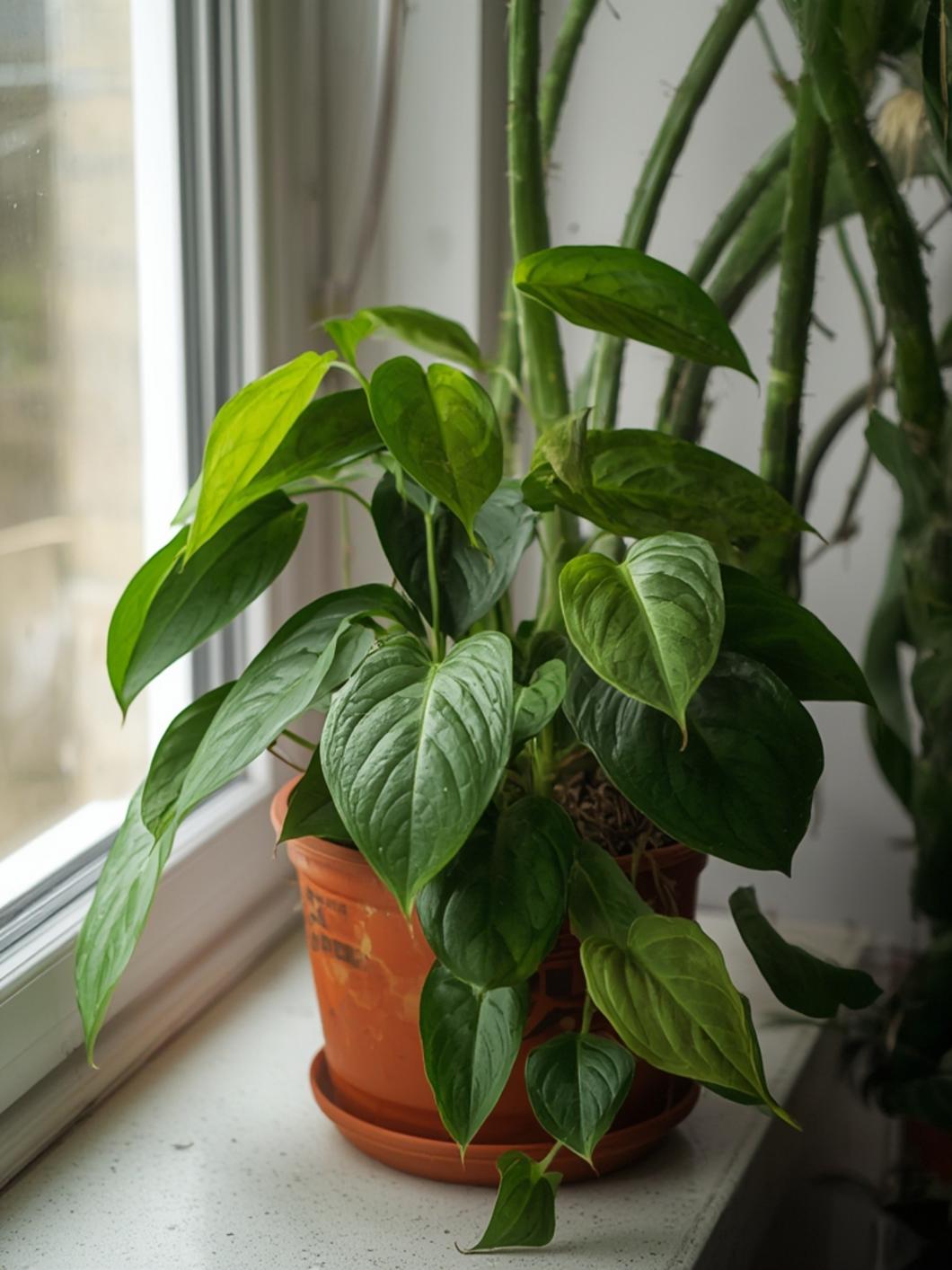
Pothos plants can be started any time of year when grown indoors. If propagating from cuttings, expect roots to develop within 2-3 weeks in water. Once planted in soil, pothos typically establishes itself within a month. Growth rates vary by variety and conditions, but you can expect:
– Initial rooting period: 2-4 weeks
– Establishment period: 1-2 months
– Active growth season: Spring through early fall
– Dormancy period: Late fall through winter (growth slows but doesn’t stop)
A pothos plant can grow 12-18 inches per month during its active season under ideal conditions, significantly faster than many other houseplants.
Step-by-Step Instructions
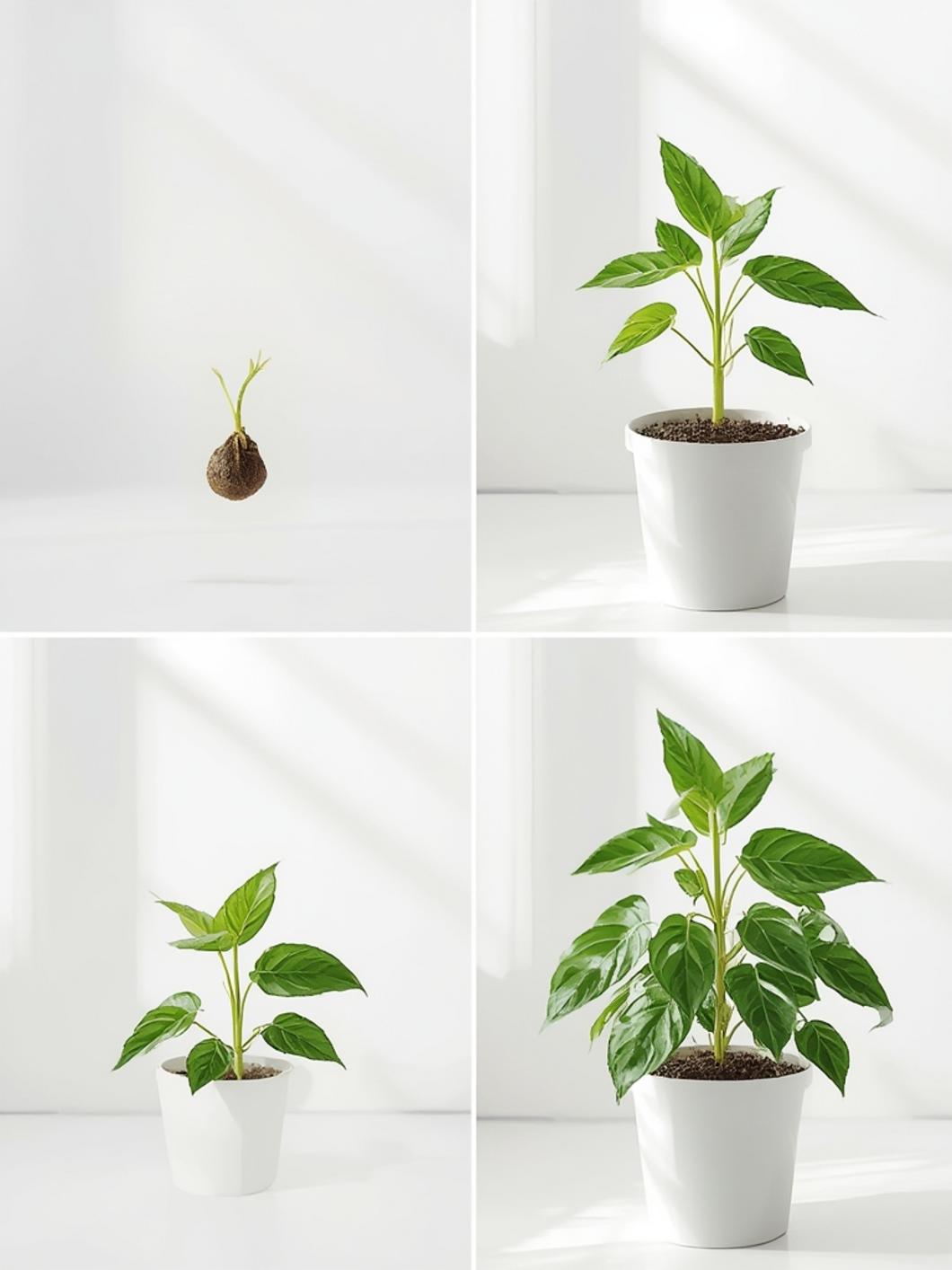
1. Choose your starting method: Purchase an established pothos houseplant or take cuttings from an existing plant. For cuttings, snip 4-6 inch sections just below a leaf node.
2. Propagation (if using cuttings): Place cuttings in water, ensuring at least one node is submerged. Change water weekly and wait for roots to develop (2-3 weeks).
3. Prepare the container: Fill your pot with well-draining potting mix, leaving an inch of space at the top.
4. Planting: Create a hole in the soil and gently place your pothos, whether rooted cutting or established plant. Pack soil gently around the roots.
5. Watering routine: Water thoroughly after planting, then allow the top 1-2 inches of soil to dry out between waterings. Adjust based on your home’s humidity and temperature.
6. Light positioning: Place your pothos where it will receive bright, indirect light. Pothos lighting needs are flexible – they can tolerate lower light but will grow faster and more vibrantly with better illumination.
7. Fertilization: Feed monthly during the growing season (spring through fall) with diluted liquid fertilizer. Reduce to quarterly during winter.
Nutritional Benefits / Advantages
Pothos plants offer significant benefits beyond their decorative appeal:
– Air purification: Removes toxins like formaldehyde and benzene
– Improved humidity: Releases moisture into the air, beneficial for respiratory health
– Stress reduction: Studies show houseplants can lower stress levels and boost mood
– Low maintenance: Perfect for busy lifestyles or those new to plant care
– Adaptability: Thrives in various conditions where other plants might struggle
Tips, Alternative Methods, or Gardening Advice
– Variegated varieties: For plants with white or yellow variegation, provide brighter light to maintain color patterns.
– Training techniques: Guide pothos to climb walls using removable hooks or train them up moss poles for a more vertical display.
– Water propagation display: Keep cuttings in decorative glass containers as a low-maintenance water garden.
– Bathroom placement: Pothos thrives in bathroom humidity, making it perfect for spaces with limited natural light.
– Rejuvenation: If your plant becomes leggy, cut it back aggressively – new growth will emerge fuller and healthier.
Common Mistakes to Avoid
1. Overwatering: More pothos die from excessive moisture than underwatering. Always check soil dryness before watering.
2. Incorrect lighting: While adaptable, extremely low light will result in leggy growth and faded variegation.
3. Neglecting dust: Dust accumulation on leaves blocks light absorption. Wipe leaves monthly with a damp cloth.
4. Insufficient pot drainage: Always use containers with drainage holes to prevent root rot.
5. Temperature extremes: Keep plants away from drafty windows, air conditioning vents, or heating sources.
Storage / Maintenance Tips
– Pruning: Trim leggy vines to encourage bushier growth. Use clean shears and cut just above a leaf node.
– Cleaning: Wipe leaves with a damp cloth monthly to remove dust and prevent pest issues.
– Repotting: Repot every 1-2 years when roots become visible through drainage holes or growth slows.
– Winter care: Reduce watering frequency during winter months when growth naturally slows.
– Pest management: Inspect regularly for common pests like mealybugs or spider mites. Treat promptly with neem oil spray.
Conclusion
The versatile pothos houseplant offers beauty, air purification, and stress reduction benefits with minimal maintenance requirements. Whether you’re a first-time plant parent or an experienced gardener, pothos can bring life to any space with its trailing vines and lush foliage. Remember that proper pothos lighting is key to maintaining vibrant variegation and healthy growth, though these adaptable plants will forgive occasional neglect. Start your pothos journey today, and watch as this remarkable plant transforms your home environment with its air-purifying abilities and eye-catching appeal.
FAQs
How often should I water my pothos plant?
Allow the top 1-2 inches of soil to dry out between waterings. This typically means watering every 7-10 days, but always check soil moisture first rather than following a strict schedule.
Why are my pothos leaves turning yellow?
Yellowing leaves usually indicate overwatering, though it can also result from nutrient deficiencies, light issues, or pest problems. Check the soil moisture first and adjust watering accordingly.
Can pothos plants survive in bathrooms with limited natural light?
Yes, pothos can adapt to lower light conditions found in bathrooms, though growth may be slower. The higher humidity in bathrooms is beneficial for these plants.
Is pothos toxic to pets?
Yes, pothos contains calcium oxalate crystals that are toxic to cats and dogs if ingested, causing irritation to the mouth, lips, tongue, and digestive tract. Keep the plant out of reach of pets.
How can I make my pothos plant fuller instead of leggy?
Prune regularly to encourage branching, ensure adequate light, and consider “notching” (making small cuts above nodes) to stimulate new growth points along the stems.