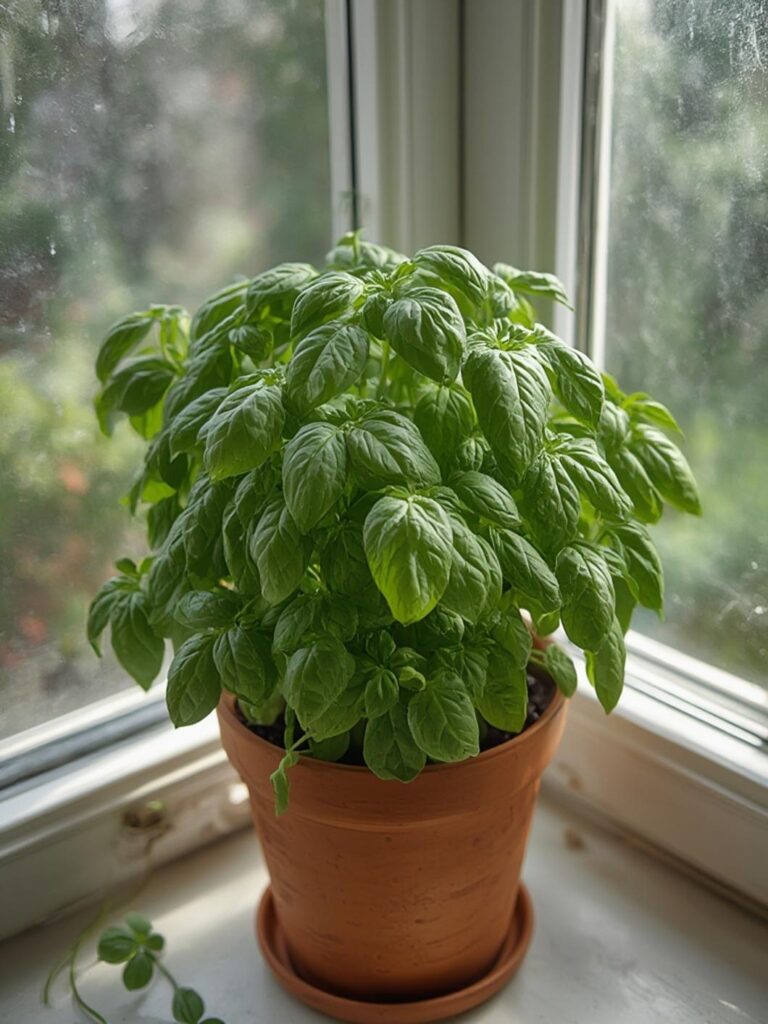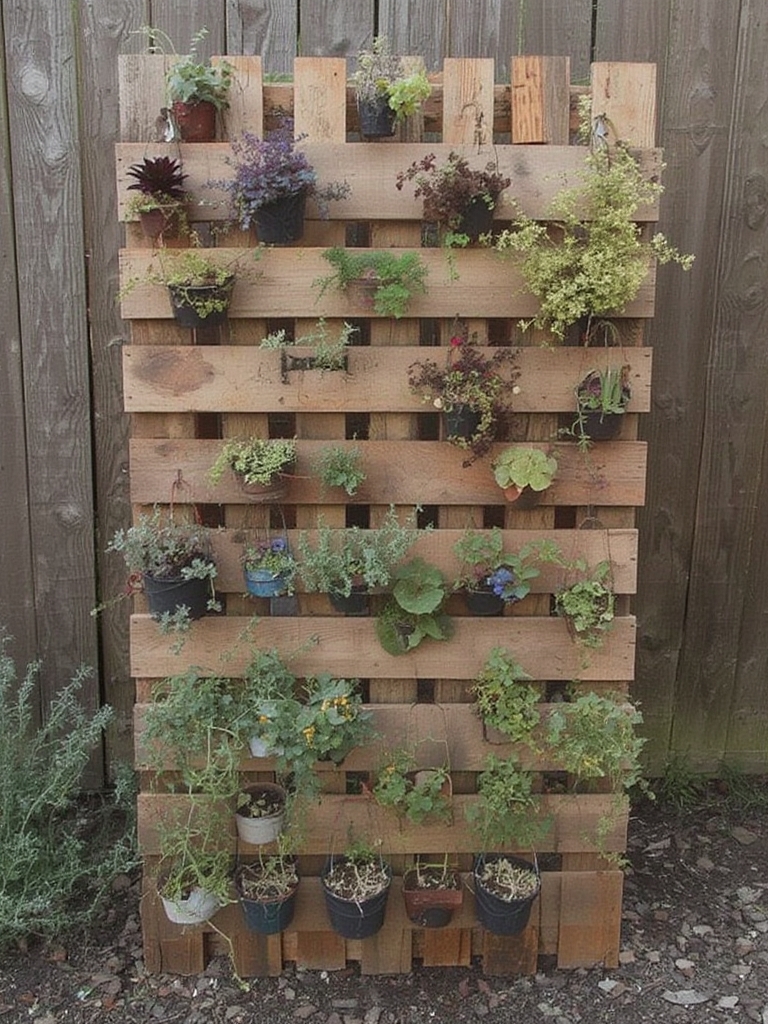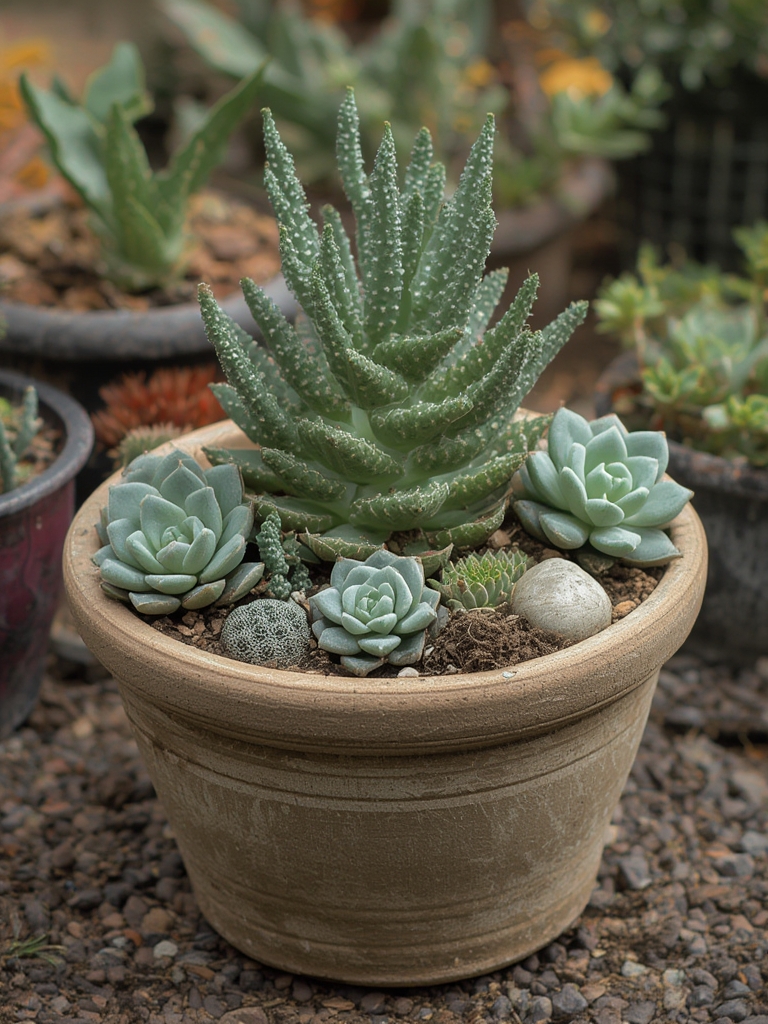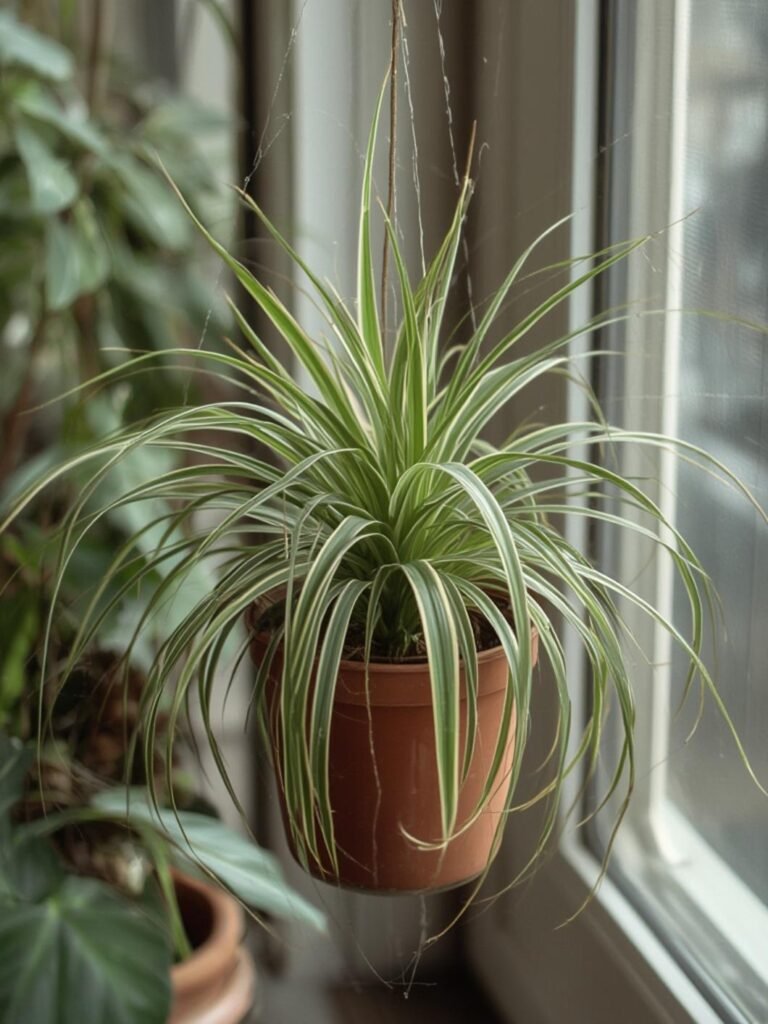
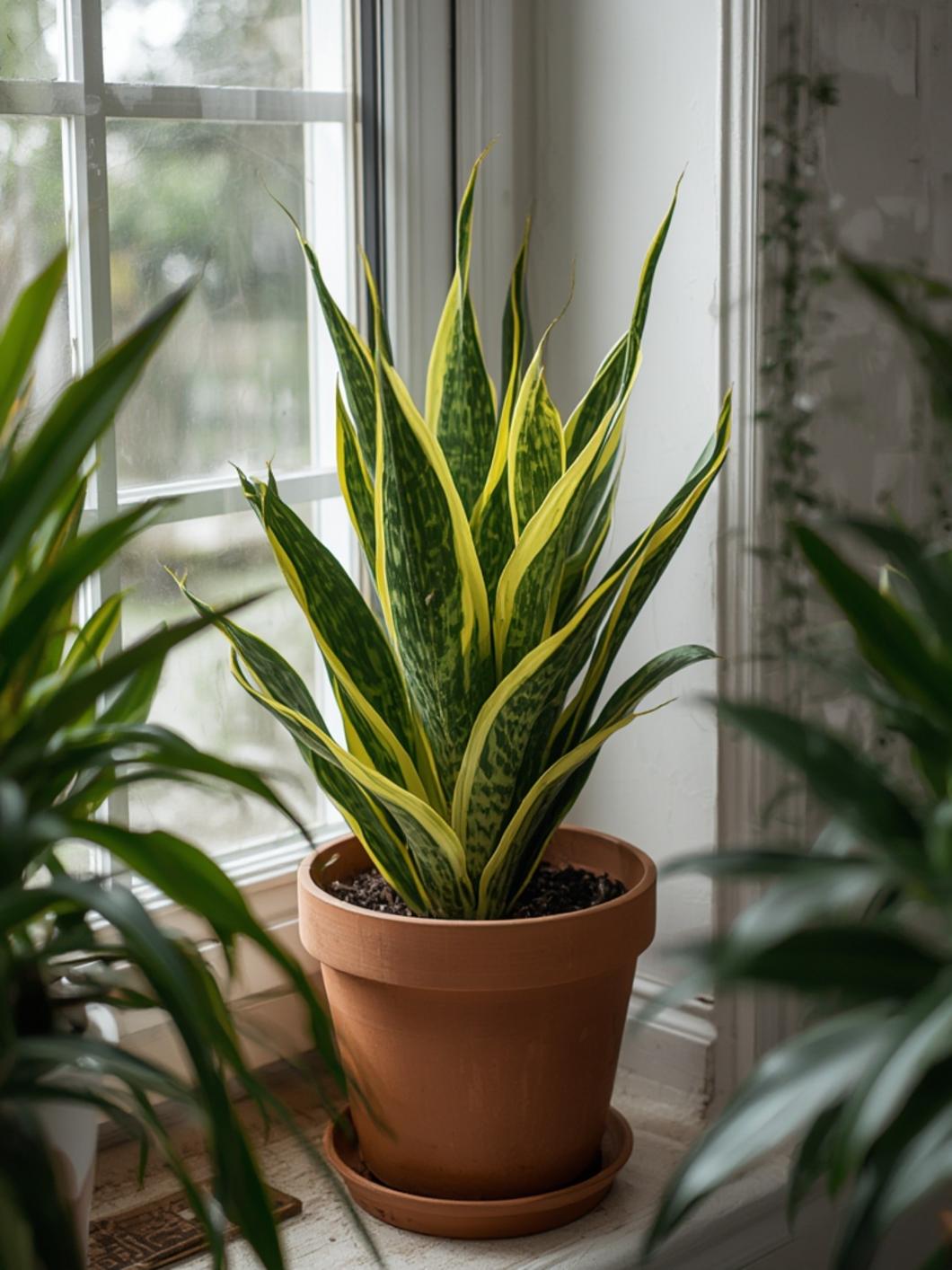
Ever wondered why snake plants seem to thrive in almost any home environment? These resilient houseplants have become increasingly popular due to their striking appearance and forgiving nature. Understanding proper snake plant care can transform a merely surviving plant into a thriving statement piece for your home. One of the most common questions new owners ha
ve involves snake plant watering frequency, which we’ll cover comprehensively in this guide. By mastering these essentials, you’ll enjoy the air-purifying benefits and elegant aesthetics of this remarkable houseplant for years to come.
Table of Contents
Materials & Supplies
To successfully grow and maintain your snake plant, you’ll need:
1. Snake plant specimen – Choose from varieties like Sansevieria trifasciata, Sansevieria cylindrica, or Sansevieria moonshine
2. Well-draining potting mix – Cactus or succulent mix works best
3. Terracotta or ceramic pot – Must have drainage holes
4. Watering can – Preferably with a narrow spout for precision
5. Liquid houseplant fertilizer – Diluted to half-strength
6. Pruning shears – Clean and sharp for leaf trimming
7. Spray bottle – Optional for occasional leaf cleaning
8. Soil moisture meter – Helpful for beginners to prevent overwatering
Timing / Growing Schedule
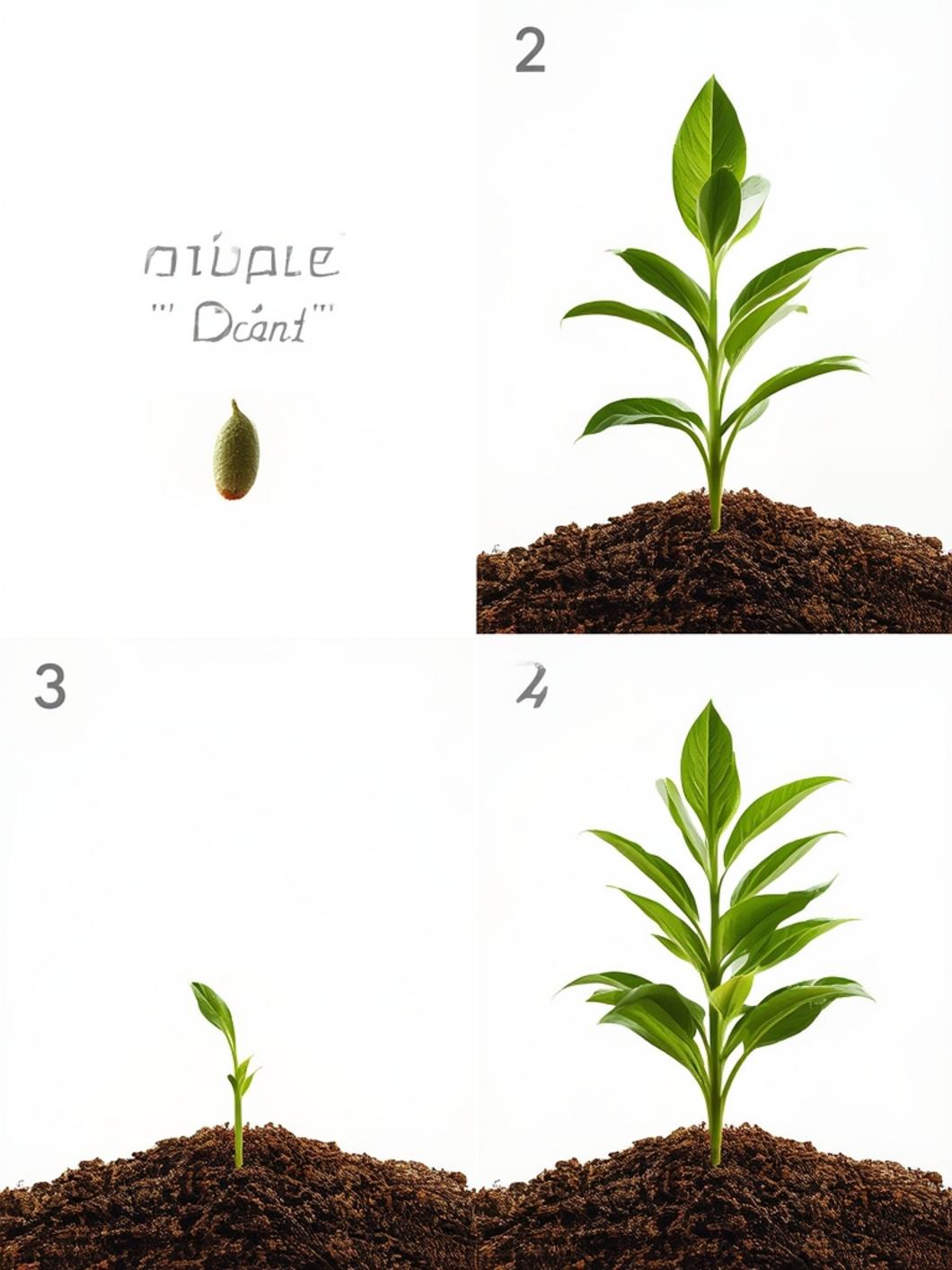
Snake plants grow relatively slowly compared to other houseplants, with noticeable growth primarily occurring during spring and summer months. After planting, expect:
- First 1-2 weeks: Adjustment period (minimal visible change)
- Months 1-3: Root establishment
- Months 3-6: Potential new growth (1-2 leaves)
- Year 1+: Established plant with seasonal growth spurts
Unlike seasonal garden plants, snake plants grow year-round but may enter dormancy during winter months when growth slows significantly. Repotting is typically needed only every 2-3 years.
Step-by-Step Instructions
1. Select the right location: Position your snake plant in indirect light, though they tolerate low light and bright indirect light. Avoid direct sunlight which can scorch leaves.
2. Prepare your pot: Choose a container only slightly larger than the root ball with good drainage holes. Snake plants prefer being slightly root-bound.
3. Plant properly: Fill the pot ⅓ with cactus mix, place the plant, then add soil around the sides, leaving 1 inch at the top. Proper snake plant watering begins with correct planting depth.
4. Establish a watering routine: Allow soil to dry completely between waterings. In spring/summer, this might be every 2-3 weeks; in winter, once monthly may suffice. Water at the soil level, not on leaves.
5. Implement seasonal care: Provide snake plant care appropriate to the season—fertilize lightly during growing season (spring/summer) and withhold fertilizer during dormancy (fall/winter).
Nutritional Benefits / Advantages
Snake plants offer significant benefits beyond aesthetics:
- Air purification: Removes toxins like formaldehyde, benzene, and xylene
- Oxygen production: Converts CO2 to oxygen even at night (unlike most plants)
- Stress reduction: Studies show houseplants improve mood and reduce anxiety
- Humidity regulation: Releases moisture into dry indoor environments
- Low allergen potential: Ideal for allergy sufferers compared to flowering plants
Tips, Alternative Methods, or Gardening Advice
- Propagation options: Divide root clusters during repotting or propagate leaf cuttings in water or soil
- Small space solutions: Use as vertical accent plants in corners or narrow spaces
- Bathroom placement: Thrives in bathroom humidity with even minimal light
- Temperature considerations: Keep above 50°F (10°C) and away from cold drafts
- Natural pest control: Wipe leaves with neem oil solution monthly to prevent pests
Common Mistakes to Avoid

1. Overwatering: The most common killer of snake plants. When in doubt, wait another week before watering.
2. Incorrect potting medium: Using standard potting soil leads to water retention and root rot. Always use well-draining cactus/succulent mix.
3. Frequent repotting: Snake plants prefer being slightly root-bound. Only repot when roots are visibly escaping drainage holes.
4. Inconsistent light: While adaptable, sudden changes from low to bright light can stress the plant. Acclimate gradually to new light conditions.
Storage / Maintenance Tips
- Dust leaves regularly: Wipe with a damp cloth monthly to keep photosynthesis efficient
- Inspect for pests: Check leaf bases and soil surface for mealybugs or spider mites
- Prune damaged leaves: Cut at the base with clean shears; leaves won’t repair themselves
- Rotate periodically: Turn the pot quarterly to promote even growth
- Winter care: Reduce watering by 50% and eliminate fertilizer during dormant months
Conclusion
Mastering snake plant care is remarkably straightforward once you understand their basic needs and natural growth patterns. By focusing on proper snake plant watering and following the guidance in this article, you’ll develop a thriving relationship with one of the most forgiving and beneficial houseplants available. Whether you’re a beginning plant parent or an experienced indoor gardener, the snake plant offers the perfect balance of visual impact and low-maintenance care. Start your snake plant journey today, and don’t forget to share your success stories in the comments below!
FAQs
How often should I water my snake plant?
Water only when the soil is completely dry, typically every 2-3 weeks in summer and once monthly in winter. Always check soil moisture before watering.
Can snake plants survive in bathrooms with no windows?
They can survive for extended periods in low light, but will eventually need some indirect light to thrive. Consider rotating it to a brighter location periodically.
Why are my snake plant leaves falling over?
Flopping leaves usually indicate overwatering, insufficient light, or both. Reduce watering frequency and consider moving to a brighter location.
Is it normal for snake plant leaves to have brown tips?
Brown tips typically indicate either underwatering, low humidity, or fluoride in tap water. Try using distilled water or letting tap water sit out overnight before using.
How do I know when to repot my snake plant?
Repot when roots grow through drainage holes or the plant becomes extremely top-heavy. This typically occurs every 2-3 years.