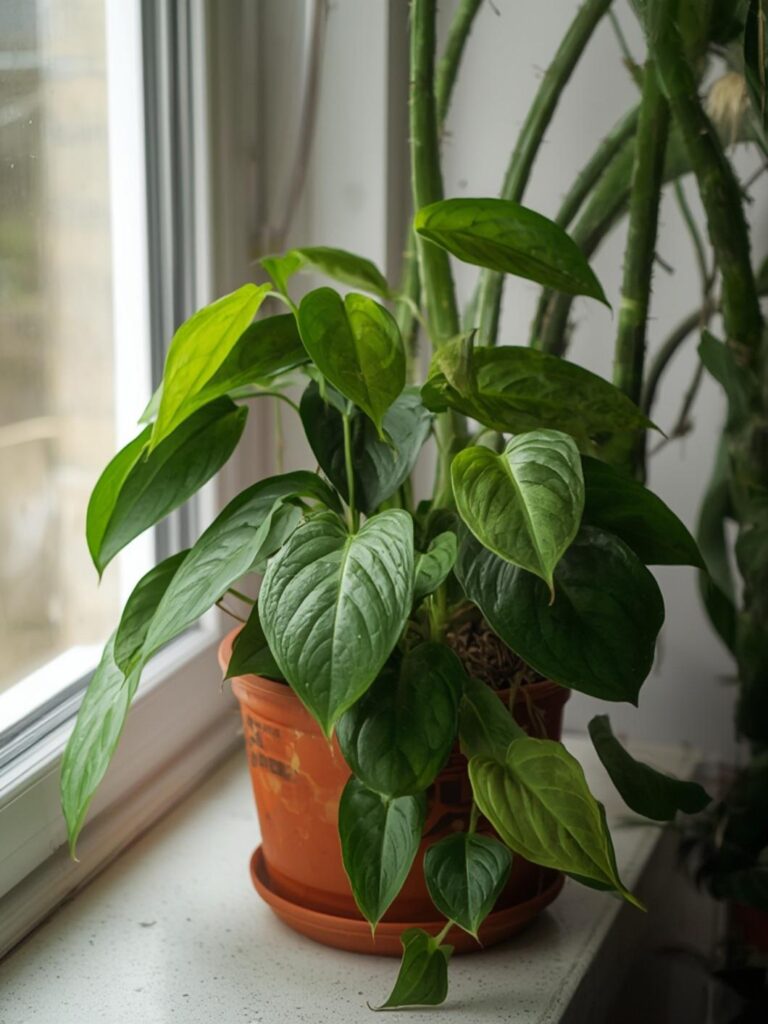
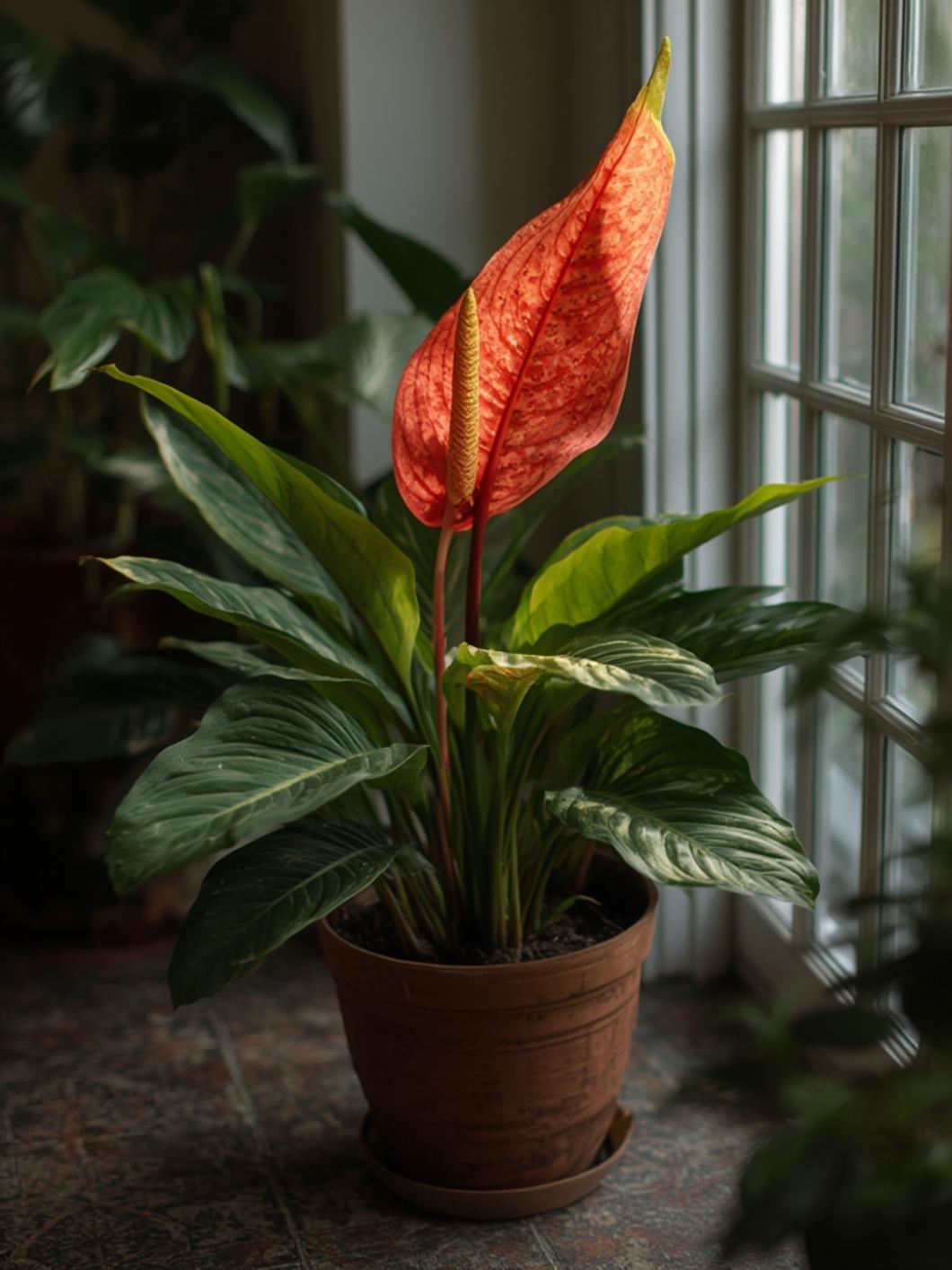
Have you ever wondered how to bring the majestic beauty of a tropical rainforest into your home? The Anthurium Warocqueanum , commonly known as the Queen Anthurium, might be your answer. This stunning plant, with its elongated, velvety dark green leaves featuring prominent silvery veins,
creates an instant focal point in any space. Mastering Anthurium Warocqueanum care can be deeply rewarding, transforming your home into an exotic paradise while improving air quality. Let’s explore how you can successfully cultivate this royal beauty in your own space.
Table of Contents
How to Grow and Care for the Queen Anthurium: A Complete Guide
Materials & Supplies
To successfully grow a Queen Anthurium, you’ll need:
- Aroid potting mix (or create your own with orchid bark, perlite, coco coir, and activated charcoal)
- A well-draining pot with drainage holes (terracotta works well)
- Sphagnum moss or peat moss
- Horticultural charcoal
- Slow-release fertilizer (balanced NPK ratio)
- Pruning shears (sterilized)
- Plant stake or moss pole for support
- Spray bottle for misting
- Humidity tray or humidifier
- Grow lights (optional for low-light environments)
- Transparent plastic bag or humidity dome (for propagation)
Timing / Growing Schedule
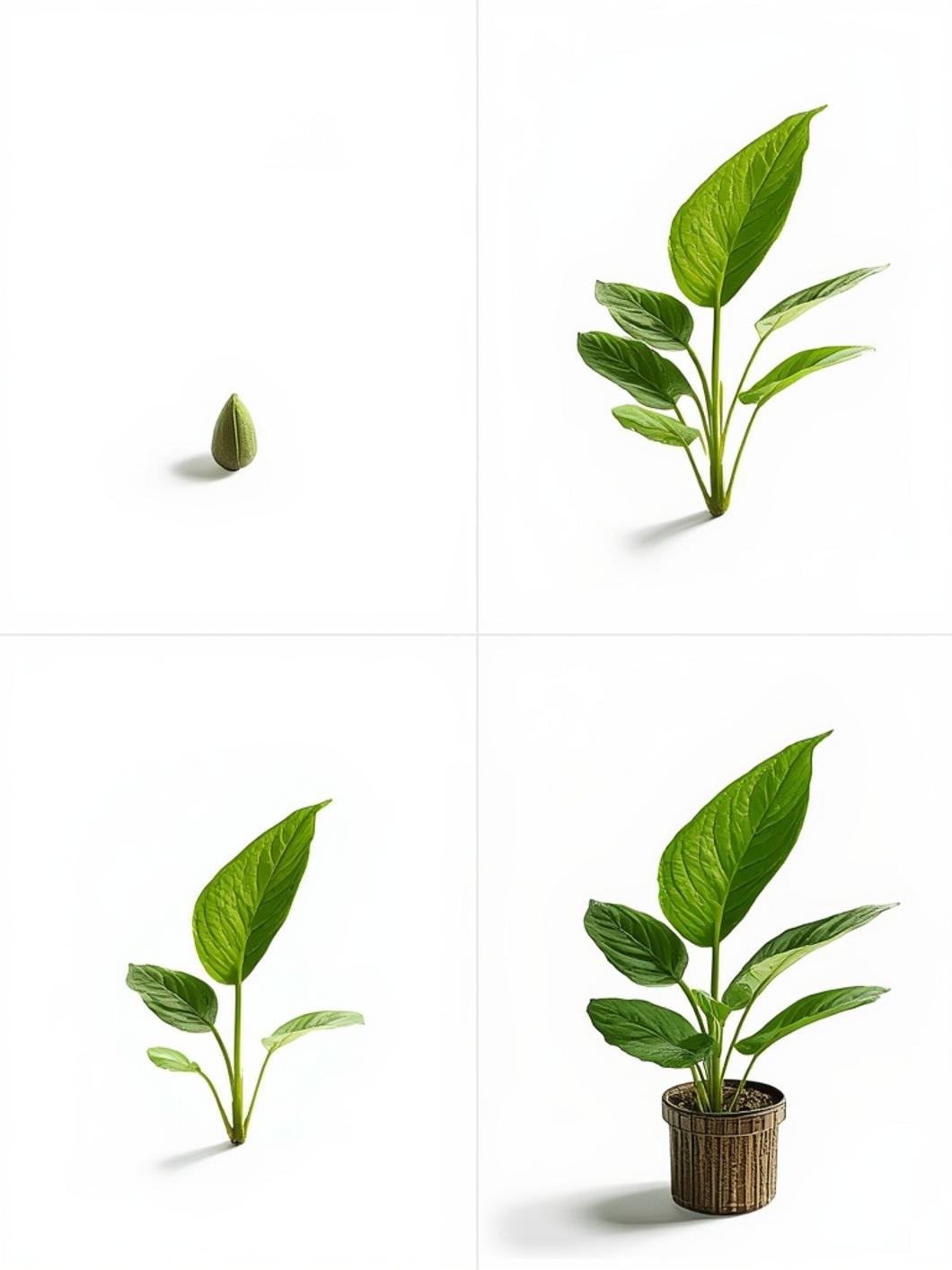
The Queen Anthurium is a slow-growing perennial that requires patience. Here’s what to expect:
- Initial establishment period: 4-8 weeks after planting
- Growth rate: Approximately 1-2 new leaves per season under optimal conditions
- Maturation: 2-3 years to reach full display size
- Repotting schedule: Every 2 years or when rootbound
- Best time to propagate: Spring to early summer when growth is most active
Unlike faster-growing houseplants, the Anthurium Warocqueanum rewards patience with increasingly spectacular foliage as it matures.
Step-by-Step Instructions
1. Prepare your growing medium: Mix 40% orchid bark, 30% perlite, 20% coco coir or peat moss, and 10% charcoal. This airy mix mimics the Anthurium Warocqueanum ‘s natural epiphytic growing conditions.
2. Choose the right location: Select a spot with bright, indirect light. Morning sun is beneficial, but avoid harsh afternoon rays.
3. Potting technique: Use a container with ample drainage holes. Place a layer of larger bark pieces at the bottom, then add your prepared mix. Position the plant so the crown sits just above soil level.
4. Set up proper humidity: Maintain 70-80% humidity using a pebble tray, humidifier, or grouping with other plants. This is crucial for Anthurium Warocqueanum care , as these plants thrive in high humidity.
5. Watering routine: Allow the top 1-2 inches of soil to dry between waterings. Use room temperature, filtered water to avoid mineral buildup.
6. Fertilization schedule: Feed monthly during growing season with a diluted (¼ strength) balanced fertilizer.
7. Training: As the plant grows, gently secure it to a moss pole, allowing aerial roots to attach for better growth and stability.
Nutritional Benefits / Advantages
While not edible, the Queen Anthurium offers significant benefits:
- Excellent air purifier that removes formaldehyde and other toxins
- Natural humidity booster for dry indoor environments
- Scientifically proven to reduce stress and improve mood
- Creates a microclimate that benefits surrounding plants
- Long-lived specimen that increases in value as it matures
Tips, Alternative Methods, or Gardening Advice
- For small spaces: Consider a semi-hydroponic setup using LECA (Lightweight Expanded Clay Aggregate) to maximize growth in limited space.
- In low light conditions: Supplement with grow lights specifically designed for foliage plants.
- For higher humidity: Create a DIY greenhouse effect by placing a clear plastic bag over newly potted plants, removing occasionally to prevent mold.
- Budget option: Join plant swap communities to find divisions from established plants rather than purchasing expensive specimens.
Common Mistakes to Avoid
1. Overwatering: The number one killer of Anthuriums. Ensure excellent drainage and allow the mix to partially dry between waterings.
2. Insufficient humidity: Low humidity causes brown leaf edges and stunted growth. Maintain levels above 65% at minimum.
3. Improper light: Too much direct sun burns leaves; too little light prevents growth. Aim for bright, indirect light.
4. Heavy potting mix: Using regular potting soil leads to root rot. Always use an airy, well-draining aroid mix.
Storage / Maintenance Tips
- Cleaning: Wipe leaves monthly with a damp cloth to remove dust and improve photosynthesis.
- Pruning: Remove yellowed or damaged leaves at the base with sterilized scissors.
- Seasonal care: Reduce watering and stop fertilizing during winter dormancy.
- Pest management: Inspect regularly for spider mites and mealybugs, especially under leaves. Treat immediately with neem oil or insecticidal soap.
- Leaf support: As leaves grow larger, provide gentle support to prevent breakage.
Conclusion
Growing the magnificent Anthurium Warocqueanum at home is a journey that requires attention to detail but offers tremendous rewards. With proper Anthurium Warocqueanum care , your plant will become an increasingly impressive specimen that serves as a living piece of art in your home. Start with these guidelines, adapt to your specific environment, and enjoy the process of nurturing this tropical treasure. Ready to elevate your plant collection? Share your Queen Anthurium journey in the comments below!
FAQs
How often should I water my Queen Anthurium?
Allow the top 1-2 inches of soil to dry out between waterings. This typically means watering once every 7-10 days, but adjust based on your home’s humidity and temperature.
Why are my Anthurium Warocqueanum’s leaves turning brown at the edges?
Brown leaf edges usually indicate low humidity or mineral buildup from tap water. Increase humidity levels and consider using distilled or rainwater.
Can I propagate my Queen Anthurium?
Yes, propagation is possible through stem cuttings with nodes or by division of mature plants. Spring is the ideal time for propagation.
Why is my Queen Anthurium not growing new leaves?
Slow or halted growth is often due to insufficient light, improper temperature range (65-80°F is ideal), or dormancy during winter months. Evaluate your care routine accordingly.
How do I know if my Anthurium Warocqueanum is rootbound?
Signs include roots circling inside the pot or emerging from drainage holes, water running straight through without absorption, and stunted growth. Repot in spring using a container 1-2 inches larger in diameter.