How to Grow and Care for Spider Plant ‘Bonnie’: A Complete Guide
Have you ever wondered how to bring a touch of lush, cascading greenery into your home without committing to high-maintenance plants? The Spider Plant ‘Bonnie’ might be exactly what you’re looking for! This charming cultivar with its curly, ribbon-like foliage offers a distinctive twist on the classic Chlorophytum comosum . Whether you’re a beginning plant parent or an experienced gardener, this adaptable houseplant provides air-purifying benefits while adding visual interest to any space in your home.
Materials & Supplies
To successfully grow and nurture your Spider Plant at home, you’ll need:
1. Spider Plant ‘Bonnie’ starter plant or offshoots – Available at garden centers or from mature plants 2. Well-draining potting mix – A mix designed for houseplants works well 3. Container with drainage holes – 6-8 inch pot for starters, larger as the plant matures 4. Watering can – For controlled watering 5. Spray bottle – For misting (optional but helpful) 6. Balanced, water-soluble fertilizer – Diluted to half strength 7. Pruning shears – For removing browning tips and harvesting pups 8. Hanging basket or elevated shelf – Spider Plants look best when their foliage can cascade down
Timing / Growing Schedule
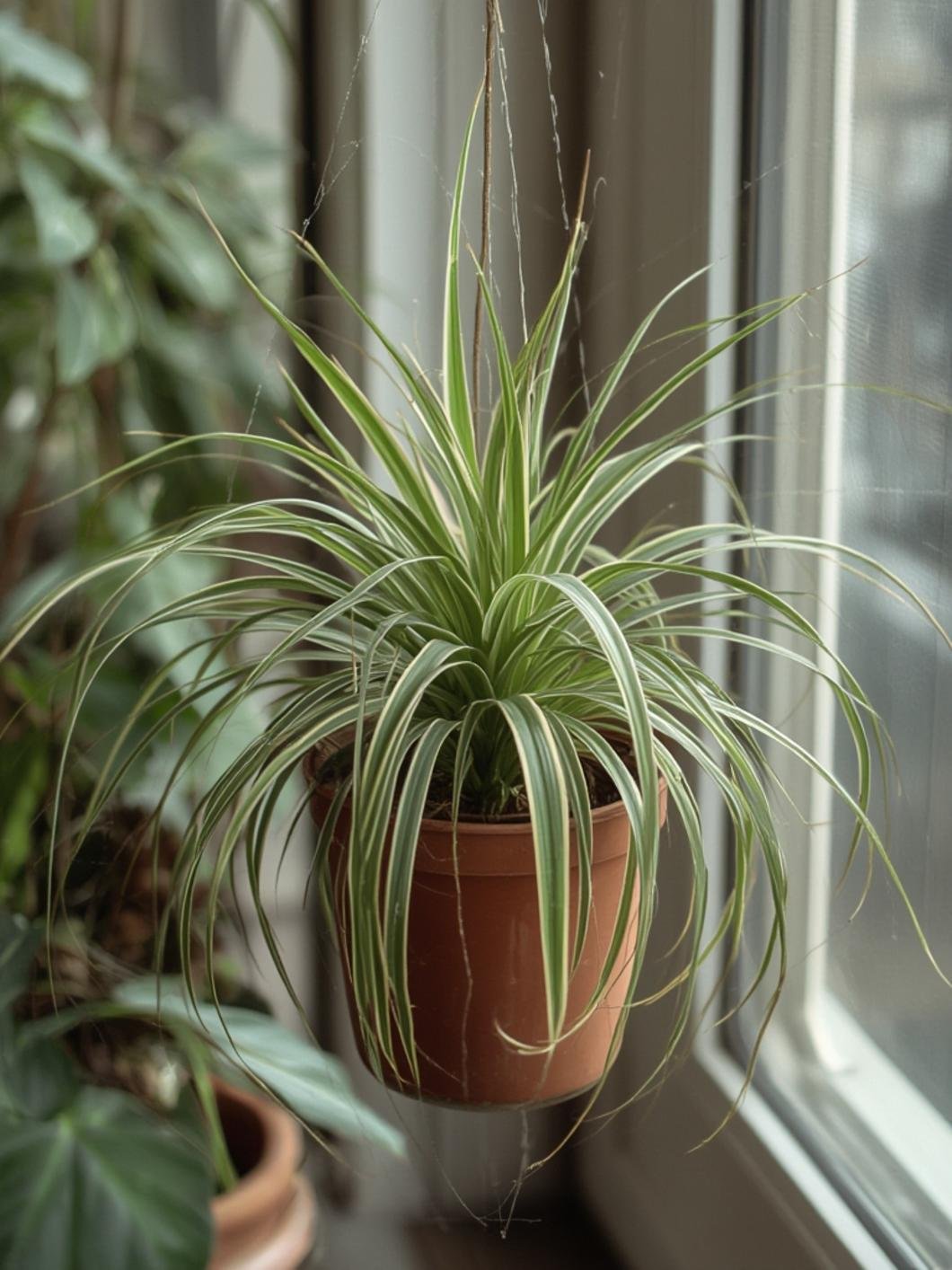
Spider Plants can be started anytime indoors, though they experience most active growth during spring and summer. Here’s what to expect:
- Initial Establishment: 2-4 weeks for new plants to adapt to their environment
- Growth Rate: Moderate to fast during growing season (spring/summer)
- Baby Plant (Pup) Production: Typically begins after 6-12 months when mature
- Repotting Schedule: Every 1-2 years or when roots become visible through drainage holes
- Lifespan: With proper care, Spider Plants can thrive for decades, continuously producing new generations
Unlike seasonal garden plants, the Spider Plant ‘Bonnie’ and other Chlorophytum comosum varieties remain attractive year-round, with only slightly slower growth during winter months.
Step-by-Step Instructions
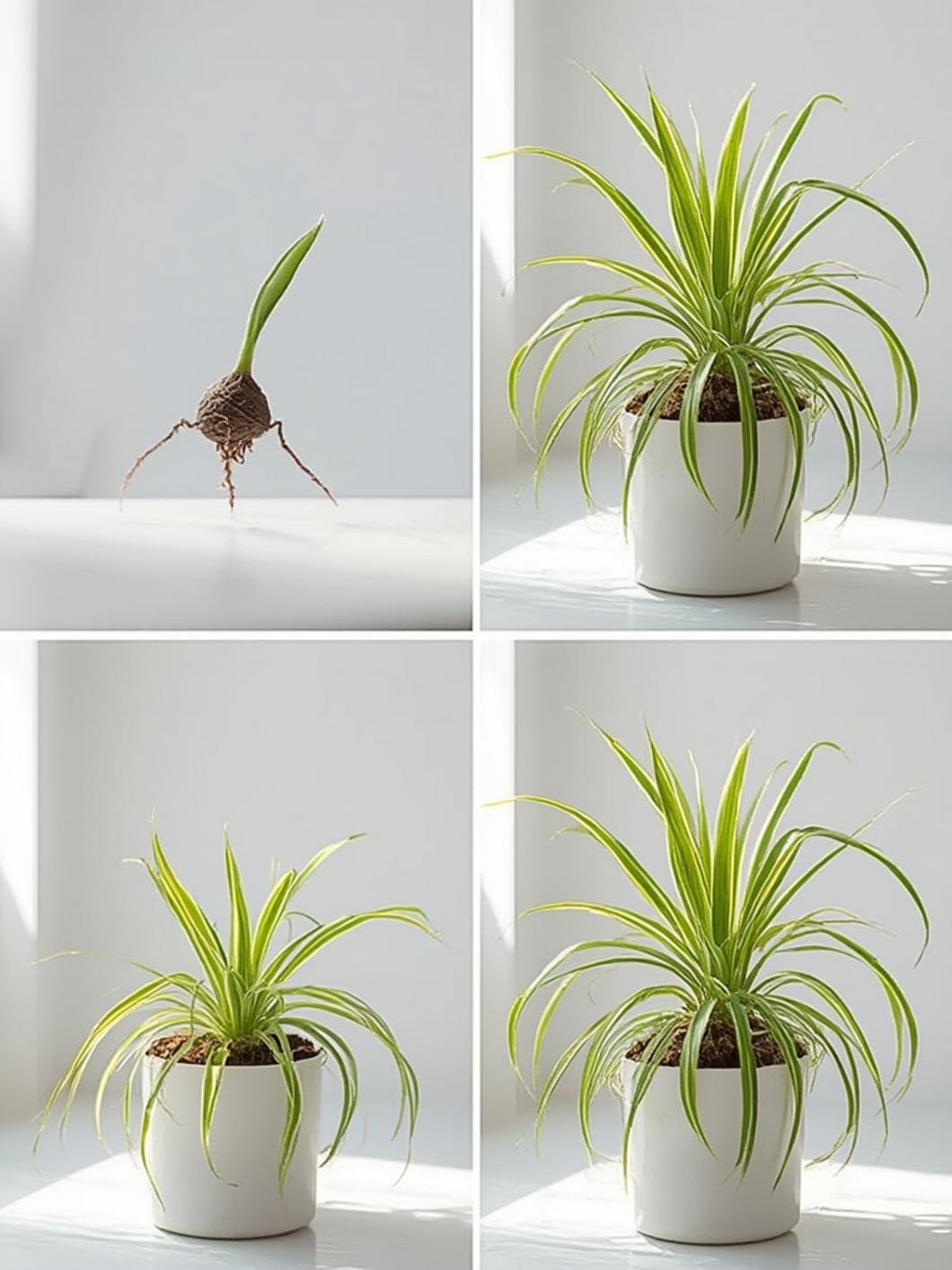
1. Select your container: Choose a pot 1-2 inches larger than the root ball with good drainage holes. Tip: Ceramic or terracotta pots help maintain soil moisture balance better than plastic.
2. Prepare your potting mix: Fill the container with quality houseplant soil, leaving space for the plant. Tip: Add a small handful of perlite to improve drainage.
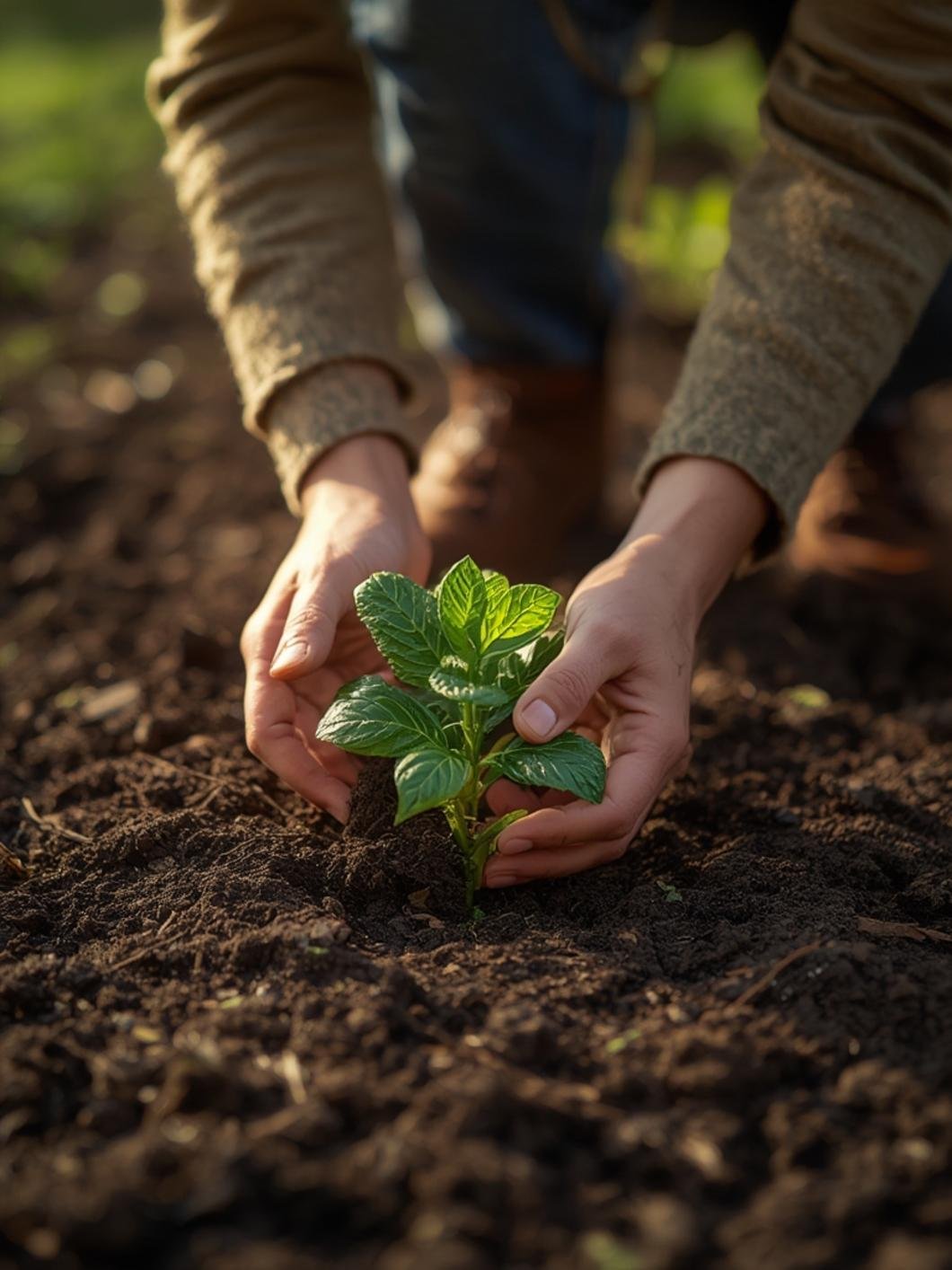
3. Plant your Spider Plant: Place the plant at the same depth it was growing previously, then gently firm soil around the roots. Tip: Water thoroughly after planting to help soil settle.
4. Find the right location: Place in bright, indirect light—never direct sunlight, which can scorch the leaves. Tip: North or east-facing windows are typically ideal.
5. Establish a watering routine: Allow the top inch of soil to dry between waterings. Tip: Spider Plants prefer to dry slightly between waterings rather than stay consistently moist.
6. Propagate new plants: When your Spider Plant ‘Bonnie’ produces babies (pups), place them in water or directly in soil to root. Tip: Leave pups attached to the mother plant until roots begin forming for higher success rates.
Nutritional Benefits / Advantages
While not edible, Spider Plants offer significant benefits:
- Air Purification: Removes toxins including formaldehyde, xylene, and carbon monoxide
- Humidity Regulation: Releases moisture into the air, beneficial in dry environments
- Stress Reduction: Studies show that interacting with houseplants can lower stress levels
- Low Allergen: Non-toxic and safe for homes with pets and children
- Sustainable Decor: Provides living decoration that improves air quality and wellbeing
Tips, Alternative Methods, or Gardening Advice
- Variegated Varieties: For more visual interest, look for ‘Vittatum’ with white stripe down the center of leaves
- Temperature Considerations: Keep between 65-75°F (18-24°C) for optimal growth
- Humidity Boosting: Place on pebble trays with water to increase ambient humidity
- Light Alternatives: Spider Plants tolerate fluorescent lighting, making them excellent office plants
- Outdoor Growing: Can be placed outdoors in partial shade during frost-free months
Common Mistakes to Avoid
1. Overwatering: The most common cause of Spider Plant death—allow soil to dry between waterings. 2. Poor Lighting: Too much direct sun burns leaves; too little causes slow growth and pale foliage. 3. Ignoring Brown Tips: Often caused by fluoride in tap water—use distilled water or let tap water sit overnight. 4. Over-fertilizing: Feed sparingly (monthly during growing season, none in winter) to prevent salt buildup. 5. Overlooking Pot Size: Spider Plants like to be slightly root-bound; don’t rush to repot too frequently.
Storage / Maintenance Tips
- Dusting: Wipe leaves occasionally with a damp cloth to remove dust and keep stomata clear
- Pruning: Remove brown tips or damaged leaves at the base to maintain appearance
- Rotating: Turn your plant regularly to promote even growth
- Winter Care: Reduce watering and eliminate fertilizing during dormant winter months
- Pest Management: Monitor for aphids and spider mites; treat with insecticidal soap if needed
Conclusion
The Spider Plant ‘Bonnie’ stands out as one of the most rewarding houseplants for both beginners and experienced plant enthusiasts. Its distinctive curly foliage adds charm and visual interest that the standard Chlorophytum comosum can’t match. With minimal care requirements and maximum benefits, this air-purifying powerhouse deserves a place in every home. Why not start growing your own Spider Plant family today? We’d love to see your Spider Plant success stories in the comments below!
FAQs
How often should I water my Spider Plant? Allow the top 1-2 inches of soil to dry out between waterings. This typically means watering once a week in summer and less frequently in winter.
Why are my Spider Plant’s leaf tips turning brown? Brown tips are commonly caused by fluoride in tap water, low humidity, or salt buildup from fertilizer. Try using filtered water and maintaining moderate humidity.
When will my Spider Plant produce babies (pups)? Healthy mature plants typically produce pups after reaching about one year of age, especially during spring and summer with adequate light.
Can Spider Plants survive in low light conditions? While they prefer bright indirect light, Spider Plants can tolerate lower light conditions, though growth will be slower and variegation may diminish.
Is the Spider Plant safe for pets? Yes, Spider Plants are non-toxic to cats and dogs, making them a perfect choice for pet owners seeking safe houseplants.