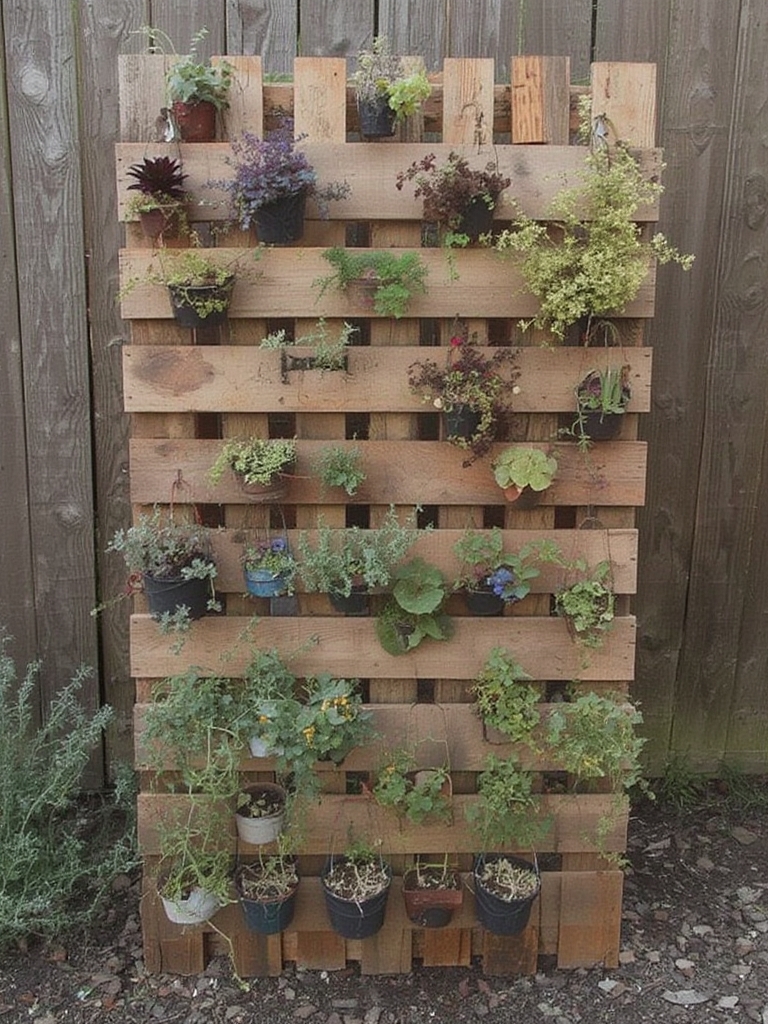
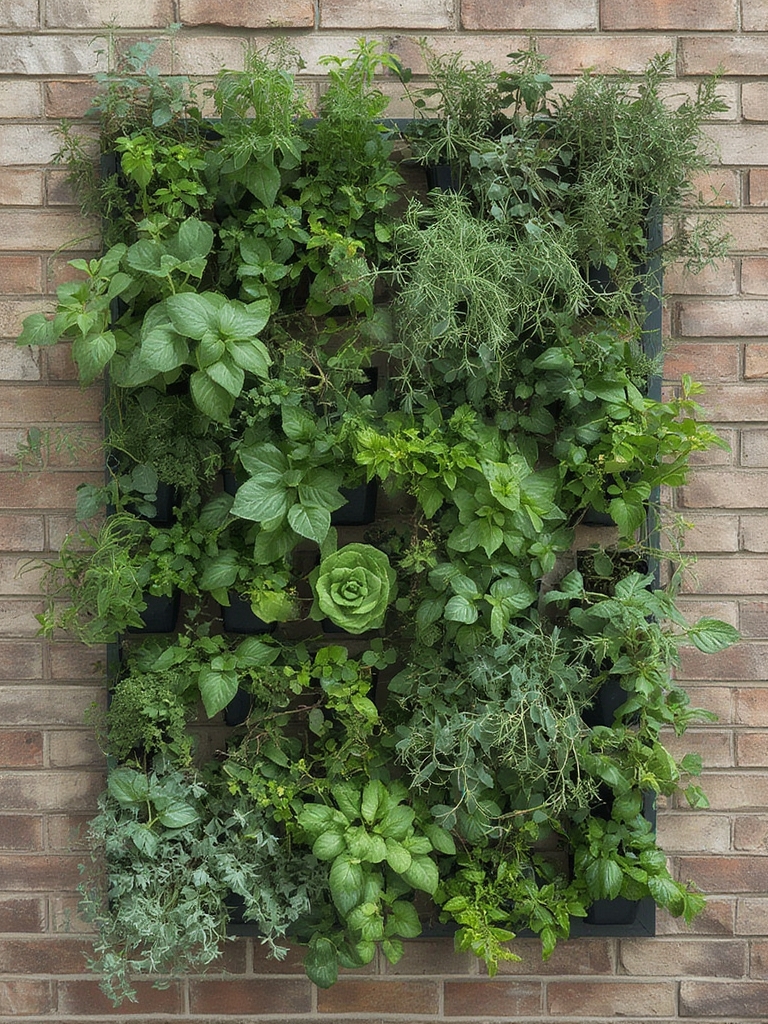
Are you yearning for fresh herbs but struggling with limited space? A vertical wall herb garden might be the perfect solution! Whether you live in an apartment, have a tiny kitchen, or simply want to maximize your gardening area, growing herbs vertically allows you to cultivate a variety of aromatic and flavorful plants without consuming precious floor space.
These space-efficient gardens not only provide fresh ingredients for your cooking but also add a touch of greenery and life to any wall in your home.
Table of Contents
Vertical Wall Herb Garden Ideas: Grow Fresh Herbs in Small Spaces
Materials & Supplies
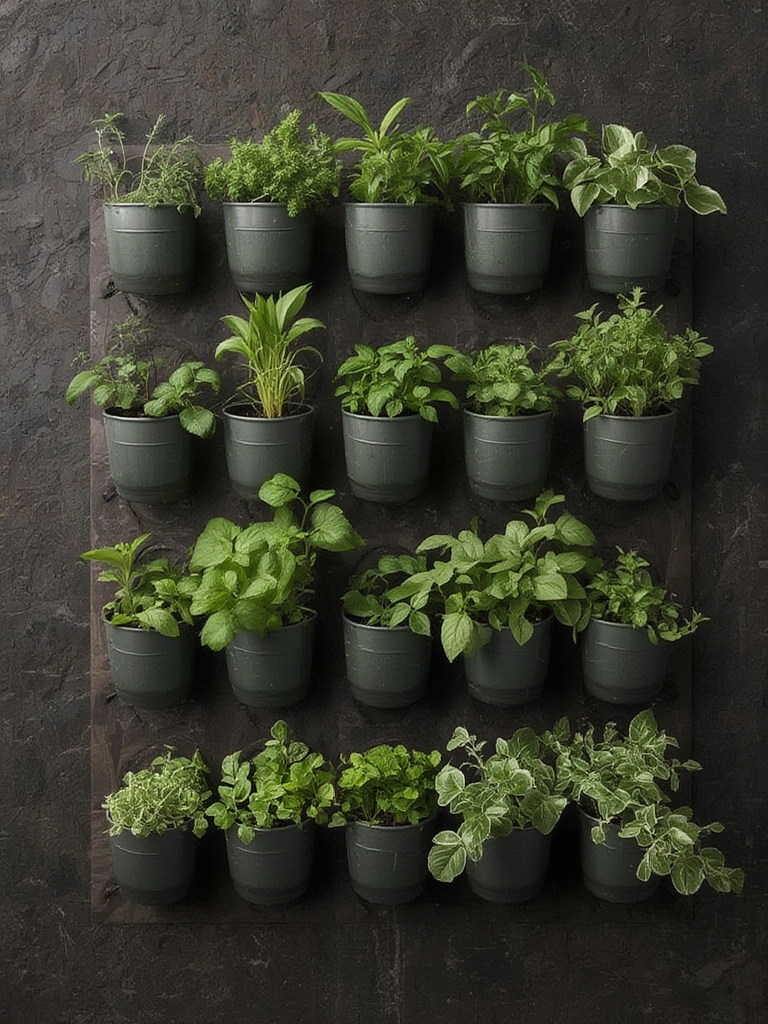
To create your own vertical herb garden, you’ll need:
- vertical herb planter, kitchen herb garden, wall mounted planters, small space gardening, indoor outdoor herbs
- Lightweight potting soil mixed with perlite for drainage
- Herb seedlings or seeds (basil, thyme, mint, rosemary, cilantro, oregano)
- Wall mounting hardware (screws, anchors, brackets)
- Drill and screwdriver
- Watering can with narrow spout
- Liquid organic fertilizer
- Pruning scissors
- Weed cloth (optional for some DIY designs)
- Plastic sheet or drip tray (for indoor installations)
Timing / Growing Schedule
Most herbs can be grown year-round indoors, but for outdoor vertical gardens, spring is ideal for planting. From seedlings, expect usable herbs within 3-4 weeks. Seeds take 6-8 weeks before first harvest. Most culinary herbs will produce for 4-6 months with proper care, though perennial varieties like rosemary and thyme continue for years. Plan for a regular rotation where fast-growing varieties like basil and cilantro are replanted every 2-3 months for continuous supply.
Step-by-Step Instructions
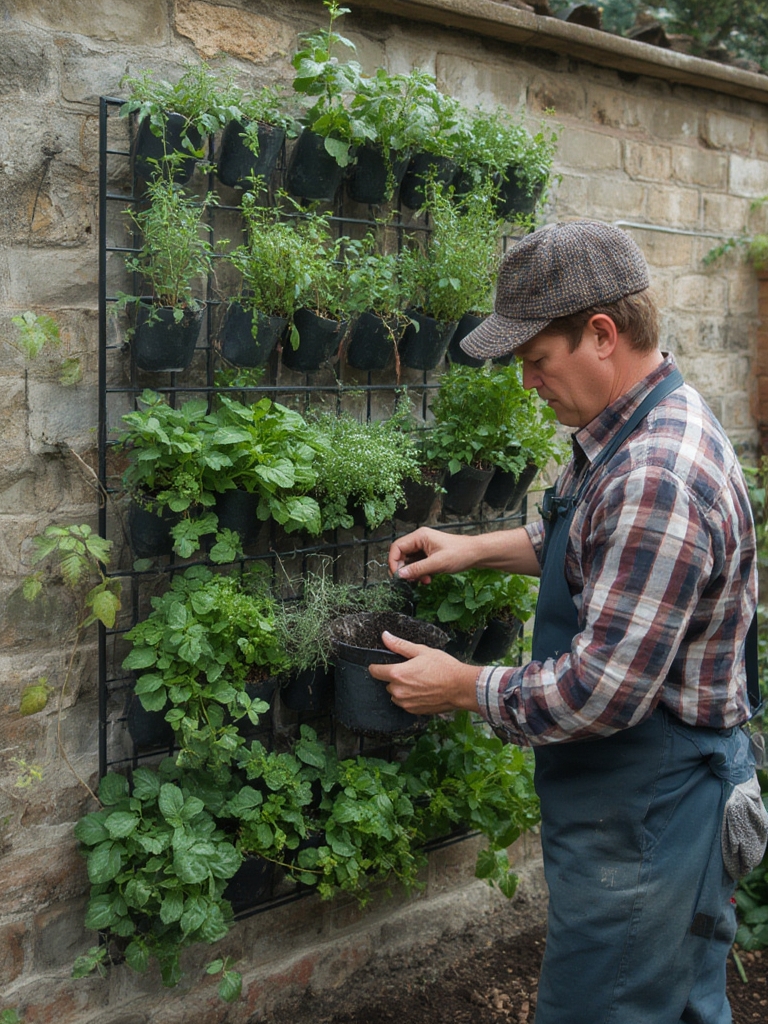
Select your wall location – Choose a spot that receives at least 6 hours of sunlight daily for outdoor gardens or bright indirect light for indoor installations. South-facing walls are typically best.
Prepare your mounting system – Install wall brackets or mounting hardware, ensuring they’re securely anchored into wall studs or using appropriate wall anchors. For indoor gardens, position a drip tray underneath.
Assemble your planter – If using a purchased system, follow manufacturer instructions. For DIY options like repurposed pallets, add weed cloth backing to contain soil.
Fill with soil mixture – Use lightweight potting mix enhanced with perlite for better drainage. Pre-moisten the soil before filling planters to prevent it from washing away.
Plant your herbs – Arrange herbs based on water needs: place moisture-loving herbs like basil and mint at the bottom, drought-tolerant varieties like rosemary and thyme at the top. Leave adequate spacing between plants (usually 4-6 inches).
Water thoroughly – After planting, water until moisture drips from the bottom of each container. For vertical systems, start watering from the top and work your way down.
Establish a care routine – Check moisture levels every 2-3 days, as vertical gardens typically dry out faster than traditional planters.
Nutritional Benefits / Advantages
Growing your own herbs provides immediate access to their nutritional and medicinal properties. Fresh herbs contain significantly higher vitamin and antioxidant levels than store-bought alternatives. Basil offers vitamin K and anti-inflammatory properties, while rosemary contains compounds that improve digestion and memory. Additionally, vertical gardens improve indoor air quality and humidity levels while reducing grocery expenses and food waste.
Tips, Alternative Methods, or Gardening Advice
Consider these creative approaches:
- Repurpose shoe organizers, mason jars, or guttering as budget-friendly vertical planters
- Install a vertical garden on rolling casters to chase sunlight throughout the day
- Use a hydroponic system for cleaner indoor growing with no soil
- Integrate automatic drip irrigation systems for busy gardeners
- Combine decorative and culinary herbs for both beauty and function
- Layer plants with complementary growth habits and similar water requirements
Common Mistakes to Avoid
- Overplanting – Resist cramming too many varieties into limited space; herbs need room to grow and proper airflow.
- Insufficient drainage – Ensure multiple drainage holes and use well-draining soil to prevent root rot.
- Inconsistent watering – Vertical gardens dry unevenly; check moisture at multiple levels.
- Inadequate light – Many failed herb gardens result from insufficient sunlight exposure.
- Incompatible pairings – Avoid mixing herbs with dramatically different water needs in the same section.
Storage / Maintenance Tips
Maintain your garden by:
- Harvesting regularly to encourage bushier growth
- Fertilizing monthly with half-strength organic liquid fertilizer
- Rotating planters occasionally for even growth
- Pruning aggressively to prevent herbs from becoming leggy
- Replacing annual herbs seasonally while trimming perennials
- Storing excess harvested herbs by freezing in olive oil cubes or hanging to dry
Conclusion
A vertical wall herb garden transforms unused vertical space into a productive, beautiful living pantry. Beyond providing fresh flavors for your meals, these gardens offer a sustainable way to reduce grocery costs and connect with the growing process. Start small with a few favorite herbs, then expand as your confidence grows. Your vertical herb garden will soon become both a conversation piece and a practical addition to your home.
FAQs
How often should I water my vertical herb garden?
Check moisture levels every 2-3 days, as vertical gardens dry out faster than horizontal ones. Water when the top inch of soil feels dry.
Can I grow herbs vertically in winter?
Yes, with supplemental grow lights and protection from cold drafts, indoor vertical herb gardens thrive year-round.
How do I prevent pests in my indoor vertical herb garden?
Regularly inspect plants, maintain good air circulation, avoid overwatering, and treat early infestations with insecticidal soap or neem oil.
Which herbs grow best together in vertical gardens?
Group herbs with similar water and light requirements: Mediterranean herbs (rosemary, thyme, oregano) work well together, while moisture-loving herbs (basil, cilantro, parsley) should be grouped separately.
How long will my herbs last in a vertical garden?
Annual herbs typically produce for 4-6 months before needing replacement, while perennial herbs can thrive for years with proper pruning and occasional repotting.