How to Grow and Care for Aloe Vera: A Complete Guide
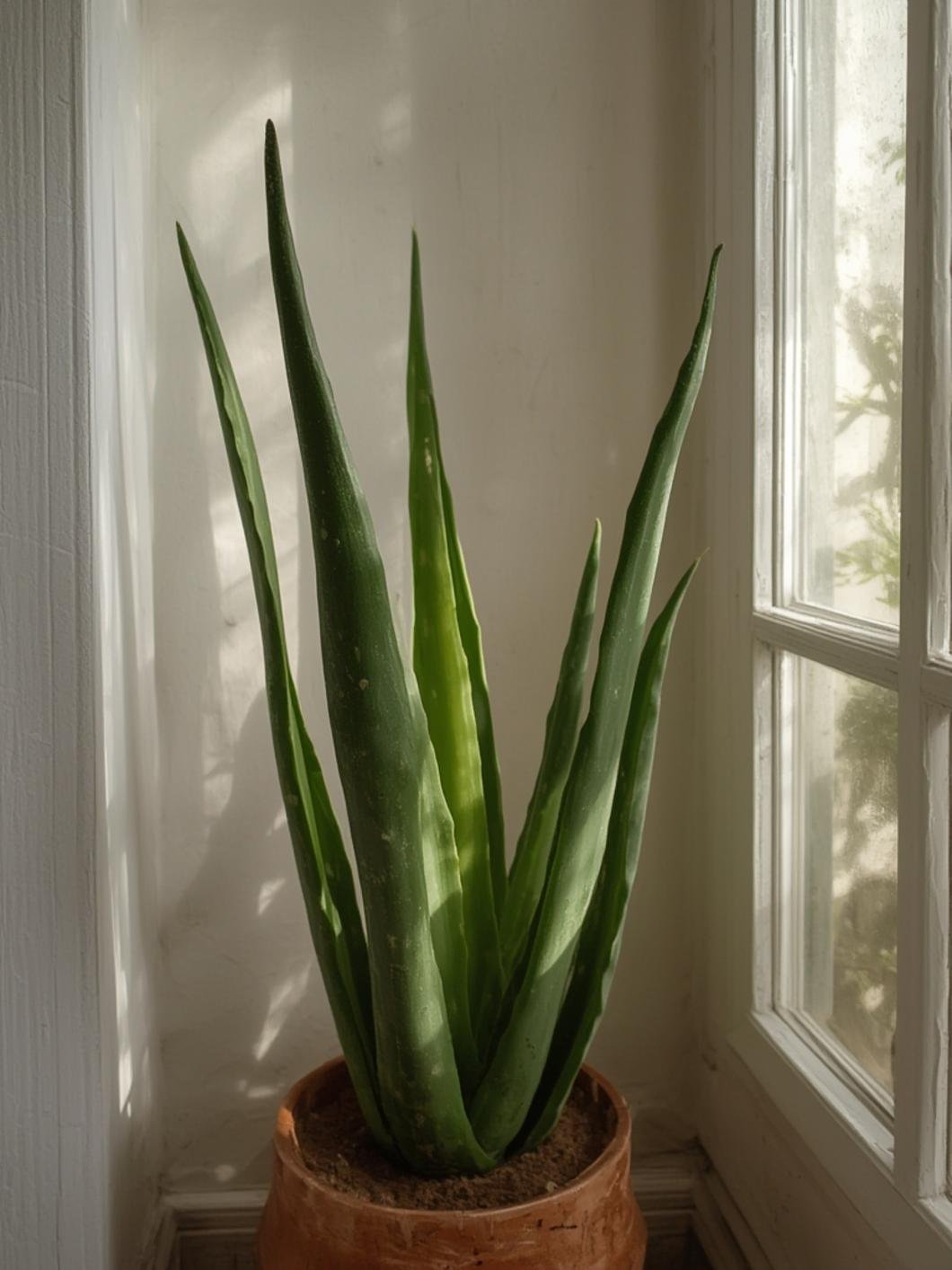
Have you ever wondered how to successfully grow your own medicinal plant that’s both beautiful and practical? Growing Aloe Vera at home is easier than you might think and incredibly rewarding. This succulent powerhouse not only adds a touch of greenery to your space but also provides aloe vera gel that can be used for various skin treatments and health remedies. With minimal care requirements and maximum benefits, aloe vera has become one of the most popular houseplants for both beginner and experienced gardeners alike.
Materials & Supplies
To successfully grow aloe vera at home, you’ll need:
– Aloe vera pup or mature plant – Well-draining potting mix or cactus soil – Terracotta pot with drainage holes (4-6 inches wide for small plants) – Small pebbles or gravel for drainage – Watering can with narrow spout – Liquid succulent fertilizer (optional) – Gardening gloves (for handling mature plants with sharp edges) – Pruning scissors or sharp knife (for harvesting) – Spray bottle (for misting propagated pups) – Rooting hormone (optional, for propagation)
Timing / Growing Schedule

Aloe vera grows year-round as a houseplant but follows seasonal patterns:
– Spring/Summer: Active growth period (March-September) – Fall/Winter: Dormant period, requires less water (October-February) – Propagation: Best done in spring or early summer – Maturity: Takes 3-4 years for a plant to reach full maturity – Harvest: Leaves can be harvested once they’re at least 8 inches long (typically 6-12 months after planting)
Unlike seasonal vegetables, aloe vera is a perennial plant that can live for decades with proper care, making it an excellent long-term investment for your indoor garden.
Step-by-Step Instructions
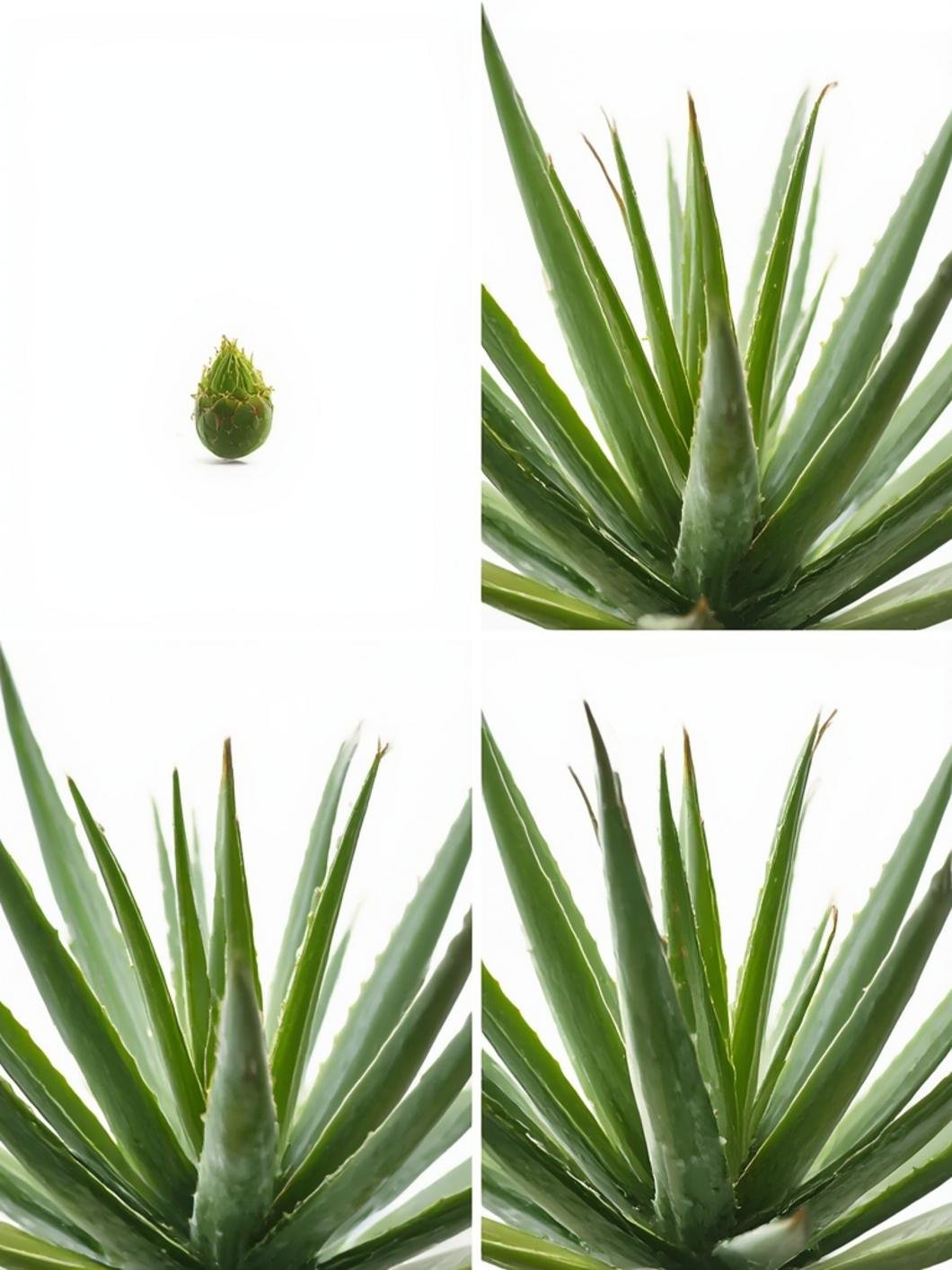
1. Select the right container: Choose a terracotta pot with drainage holes that’s slightly wider than your Aloe Vera plant. Terracotta helps wick away moisture, preventing root rot.
2. Prepare proper drainage: Place a layer of small pebbles or gravel at the bottom of the pot to improve drainage and prevent waterlogging.
3. Use well-draining soil: Mix regular potting soil with sand or perlite in a 2:1 ratio, or use commercial cactus/succulent soil. This ensures that water doesn’t collect around the roots.
4. Plant correctly: Position your aloe with the root ball centered and the base of the leaves sitting just above soil level. Add soil around it and tamp down gently.
5. Watering routine: Allow the soil to dry completely between waterings. During growing season, water deeply once every 2-3 weeks; in winter, reduce to once a month.
6. Lighting requirements: Place in bright, indirect sunlight. South or west-facing windows are ideal. If leaves turn brownish, it’s getting too much sun; if stretching tall, it needs more light.
7. Harvesting aloe vera gel : Cut mature outer leaves at the base using clean scissors. Slice open and scoop out the translucent gel for immediate use or refrigerate.
Nutritional Benefits / Advantages
Aloe vera offers remarkable benefits beyond its ornamental value:
– Rich in vitamins A, C, E, and B12 – Contains minerals including magnesium, zinc, and calcium – Natural anti-inflammatory and antimicrobial properties – Supports skin healing for burns, cuts, and irritations – May help with digestive issues when consumed (properly prepared) – Purifies indoor air by removing formaldehyde and benzene – Requires minimal watering, perfect for water conservation
Tips, Alternative Methods, or Gardening Advice
– Indoor growth: Thrives indoors year-round with proper light conditions – Outdoor options: Can be planted outdoors in USDA zones 9-11 – Container variation: Consider hanging baskets for trailing varieties – Propagation: Easily multiply your plants by separating offshoots (pups) – Companion planting: Pairs well with other succulents or cacti that have similar care needs – Natural pest control: Sprinkle cinnamon on soil to prevent fungus gnats – Watering trick: Use ice cubes for slow water release (2-3 per medium plant)
Common Mistakes to Avoid
1. Overwatering: The most common killer of aloe plants. Wait until soil is completely dry before watering again. 2. Poor drainage: Using pots without holes or heavy soils leads to root rot. Always ensure excellent drainage. 3. Insufficient light: Aloe needs bright light to thrive; without it, plants become weak and leggy. 4. Cold exposure: Temperatures below 50°F (10°C) can damage aloe. Keep away from cold drafts in winter. 5. Fertilizing too much: Aloe prefers poor soil and needs minimal fertilizer—once yearly in spring is sufficient.
Storage / Maintenance Tips
– Repotting: Repot every 2-3 years when plant becomes root-bound or produces many pups – Pruning: Remove dead or damaged leaves by cutting at the base – Cleaning: Wipe leaves with damp cloth occasionally to remove dust – Gel storage: Freshly harvested gel lasts 1-2 weeks refrigerated in airtight container – Seasonal care: Reduce watering in winter when plant is dormant – Support: Stake leaning plants with bamboo sticks and soft plant ties – Pest management: Check regularly for mealybugs and treat with rubbing alcohol on a cotton swab
Conclusion
Growing Aloe Vera at home provides both aesthetic appeal and practical benefits. With minimal effort, you can maintain this resilient plant that rewards you with healing aloe vera gel whenever needed. Whether you’re a novice gardener or experienced plant enthusiast, aloe’s forgiving nature makes it a perfect addition to any indoor garden. Start growing your own medicinal plant today, and enjoy the satisfaction of harvesting your own natural remedy!
FAQs
How often should I water my aloe vera plant? Water only when the soil is completely dry—typically every 2-3 weeks in summer and once a month in winter. Always check soil moisture before watering.
Why are my aloe vera leaves turning brown? Brown leaves usually indicate sunburn, overwatering, or fungal disease. Move to slightly less direct sunlight, ensure proper drainage, and remove affected leaves.
Can I use fresh aloe vera gel directly from the plant? Yes! Cut a mature leaf, slice it open lengthwise, and scoop out the clear gel. Use immediately or refrigerate in an airtight container for up to two weeks.
How do I know when my aloe plant needs repotting? Repot when you see roots growing through drainage holes, the plant becomes top-heavy, or it produces many pups. This typically occurs every 2-3 years.
What’s the difference between aloe vera and other aloe species? Aloe vera (Aloe barbadensis miller) has medicinal properties and clear gel, while other decorative species may have colorful leaves or different growth habits but lack the same therapeutic benefits.