Have you ever wondered how to add a splash of vibrant color to your indoor garden without the high maintenance that many exotic plants require? The Tradescantia Nanouk might be exactly what you’re looking for. This relatively new cultivar has taken the houseplant world by storm with its striking pink, green,
and purple variegated foliage. The beautiful cascading growth pattern makes it perfect for hanging baskets or shelf displays. With proper Tradescantia Nanouk care , this plant will reward you with continuous growth and breathtaking colors year-round.
Table of Contents
How to Grow and Care for the Stunning Tradescantia Nanouk at Home
Materials & Supplies
To successfully grow this eye-catching houseplant, you’ll need:
1. A well-draining pot – 4-6 inch container with drainage holes
2. Well-draining soil mix – A combination of potting soil, perlite, and orchid bark (2:1:1 ratio)
3. Pruning shears – For trimming and propagation
4. Watering can – Preferably with a narrow spout for controlled watering
5. Liquid fertilizer – Balanced houseplant fertilizer (10-10-10)
6. Spray bottle – For misting and increasing humidity (optional)
7. Trellis or plant supports – For guiding trailing growth (optional)
8. Grow light – If you don’t have access to bright indirect light (optional)
Timing / Growing Schedule
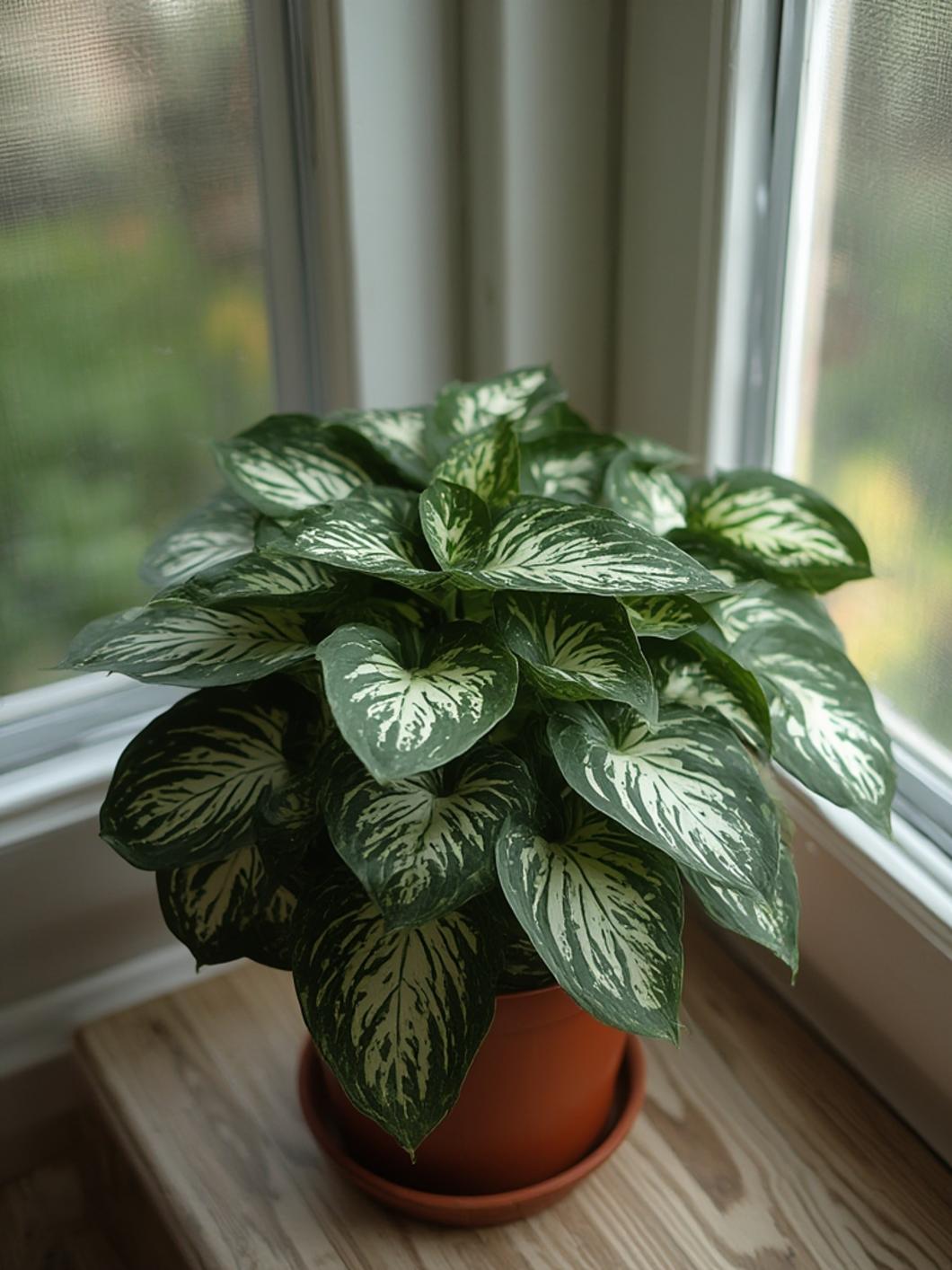
Tradescantia Nanouk is a fast-growing plant with an impressive development timeline:
- Initial growth: Within 2-3 weeks of planting, you’ll notice new leaves forming
- Establishment period: 1-2 months for the plant to fully acclimate to its environment
- Active growth season: Spring through fall, with the most vibrant coloration developing during summer months
- Growth rate: Can grow 6-12 inches per year in ideal conditions
- Maturity: Reaches full display potential within 6-8 months
Unlike slower-growing houseplants that might take years to make an impact, Tradescantia Nanouk delivers stunning results in just one growing season.
Step-by-Step Instructions
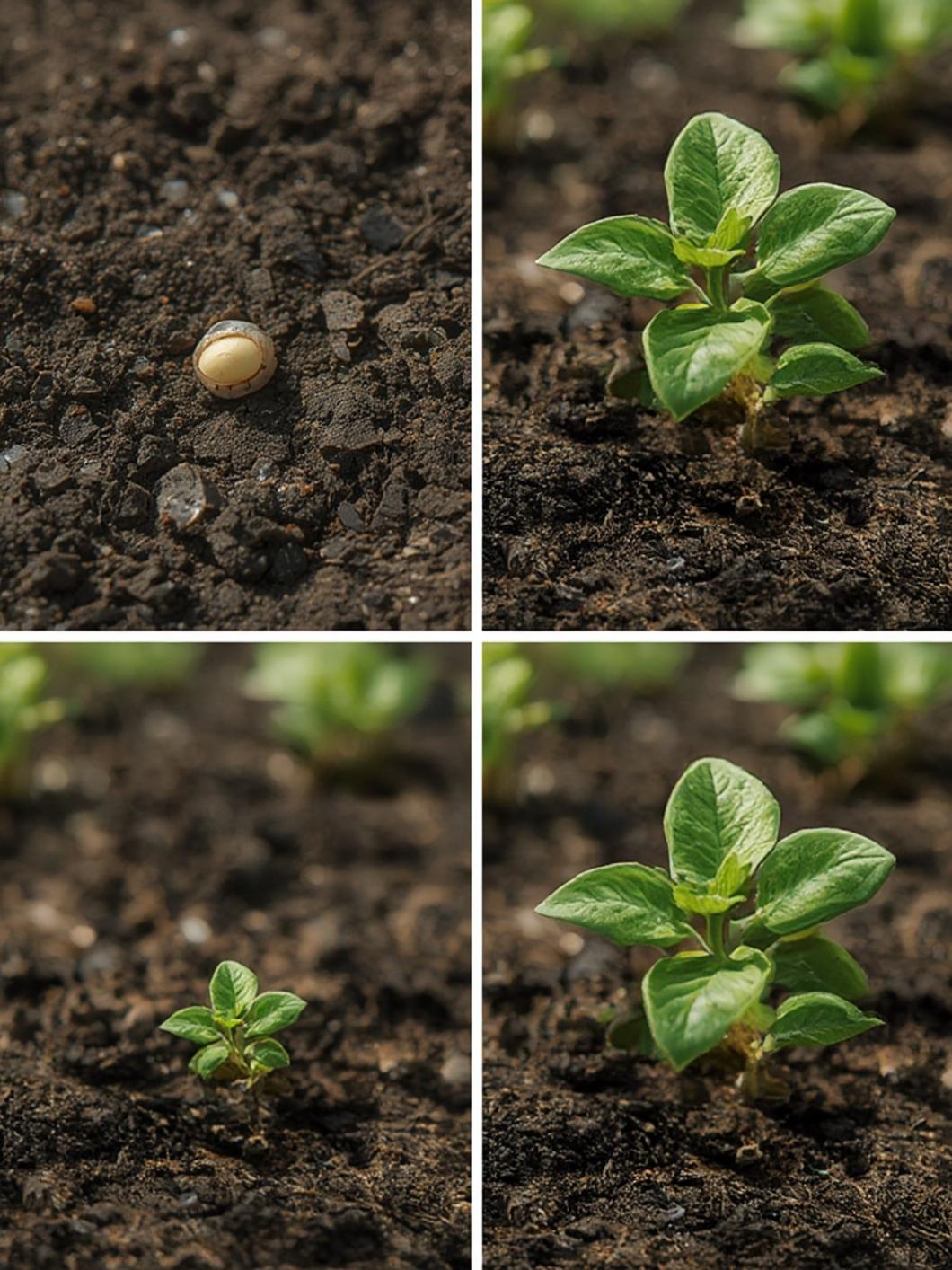
1. Select the right location: Place your Tradescantia Nanouk in bright, indirect light. East or west-facing windows are ideal. The more light it receives (without direct sun), the more vibrant its colors will be.
2. Prepare the potting mix: Combine regular potting soil with perlite and orchid bark for excellent drainage. The airy mix prevents the common problem of root rot.
3. Plant properly: Position the plant at the same depth it was in its nursery container, gently firming the soil around the roots without compacting it too much.
4. Establish a watering routine: Allow the top 1-2 inches of soil to dry out between waterings. Water thoroughly until it drains from the bottom, but never let the plant sit in standing water.
5. Implement proper Tradescantia Nanouk care : Fertilize monthly during the growing season with a diluted balanced fertilizer (half the recommended strength).
6. Prune regularly: Trim leggy growth to encourage bushier growth and prevent the plant from becoming too sparse. Bonus: use cuttings for propagation.
Nutritional Benefits / Advantages
While Tradescantia Nanouk isn’t edible, it offers several benefits:
- Air purification: Helps filter indoor air pollutants
- Humidity enhancement: Releases moisture through transpiration, improving room humidity
- Mental wellbeing: Studies show that colorful houseplants reduce stress and improve mood
- Low allergen potential: Unlike flowering plants, it rarely triggers allergies
- Educational value: Perfect for teaching children about plant care and propagation
Tips, Alternative Methods, or Gardening Advice
- Increase humidity: Group with other plants or use a pebble tray with water for extra humidity
- Rotation technique: Turn your plant quarterly to ensure even growth on all sides
- Terrarium growing: Thrives in enclosed or semi-enclosed glass containers due to humidity
- Propagation method: Simply snip a stem with 2-3 nodes, remove lower leaves, and place in water or directly in soil
- Companion planting: Pairs beautifully with plants that have similar care requirements like pothos or peperomia
Common Mistakes to Avoid
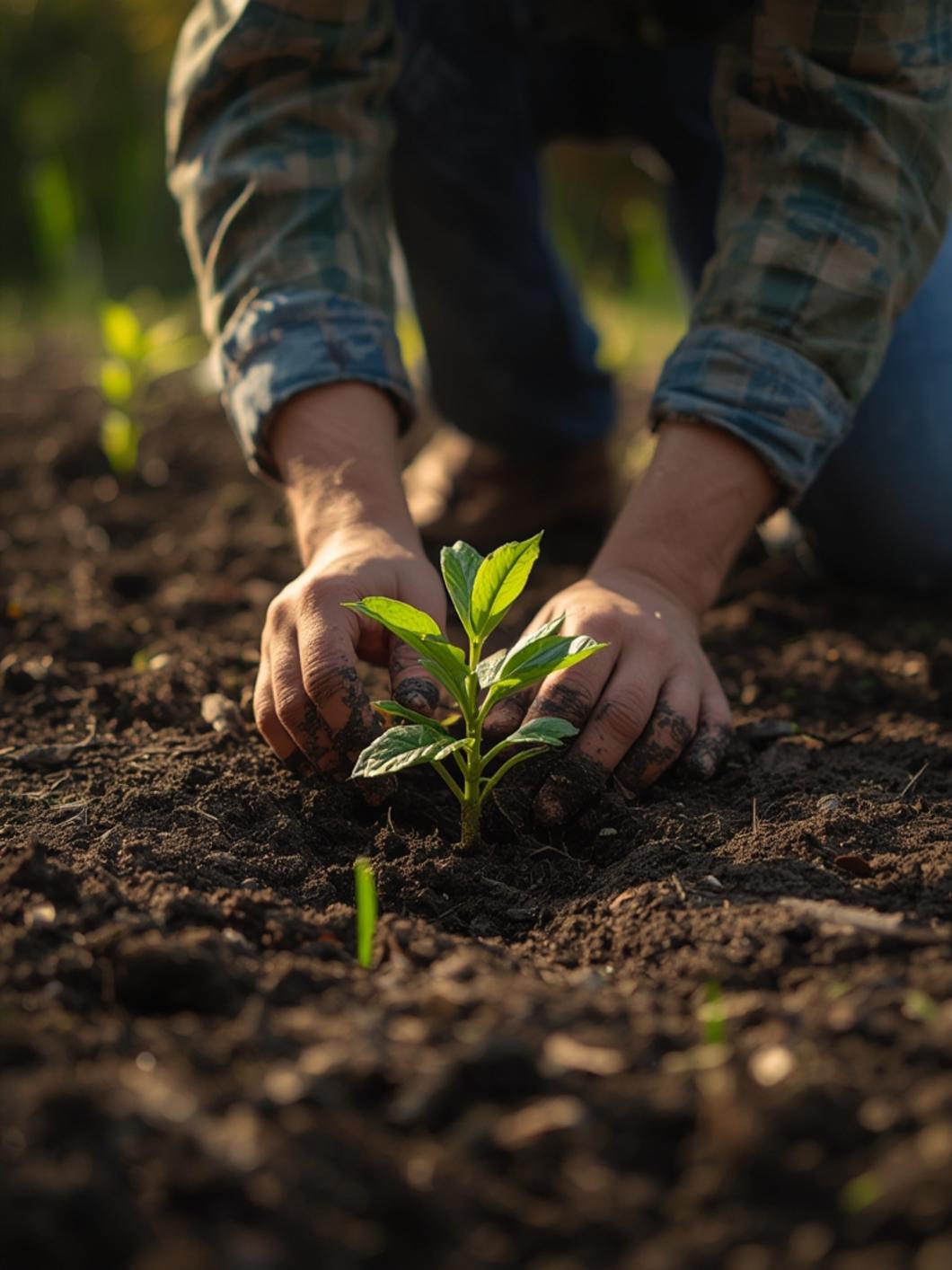
1. Overwatering: The number one killer – wait until the top soil is dry before watering
2. Insufficient light: Causes faded coloration and leggy growth
3. Cold drafts: Temperatures below 55°F can damage the foliage
4. Ignoring pests: Check regularly for spider mites and mealybugs, which are attracted to this plant
5. Skipping pruning: Without occasional trimming, plants become leggy and lose their compact shape
Storage / Maintenance Tips
- Dust leaves: Wipe leaves monthly with a damp cloth to keep them photosynthesizing efficiently
- Refresh soil: Top-dress with fresh potting mix annually to replenish nutrients
- Repotting schedule: Repot every 12-18 months or when roots emerge from drainage holes
- Winter care: Reduce watering frequency and hold off on fertilizing during dormant winter months
- Leaf management: Remove any yellowed or damaged leaves promptly to maintain plant health
Conclusion
With its stunning variegation and relatively easy-going nature, the Tradescantia Nanouk makes an excellent addition to any indoor garden. By following these Tradescantia Nanouk care guidelines, you’ll be rewarded with a lush, colorful plant that brightens any space in your home. Whether you’re a beginner or experienced plant parent, this versatile beauty offers the perfect balance of visual impact and manageable maintenance. Why not start growing one today? Share your Tradescantia journey in the comments below, or explore our other houseplant guides for more inspiration!
FAQs
How often should I water my Tradescantia Nanouk?
Water when the top 1-2 inches of soil feels dry to the touch, typically every 7-10 days depending on your home’s humidity and temperature.
Why is my Tradescantia Nanouk losing its pink coloration?
Insufficient light is the most common cause. Move your plant to a brighter location (but avoid direct sun) to enhance the vibrant pink and purple hues.
Can I grow Tradescantia Nanouk outdoors?
Yes, but only in USDA zones 10-12 or as a seasonal outdoor plant in summer. It thrives in temperatures between 65-85°F and needs protection from direct sun.
Why are my plant’s leaves curling?
Curling leaves usually indicate either underwatering or low humidity. Try increasing watering frequency slightly or misting the plant regularly to increase ambient moisture.
How do I make my Tradescantia Nanouk bushier?
Regular pruning is the key to a fuller plant. Pinch or cut stems just above a leaf node to encourage branching and create a more compact growth habit.