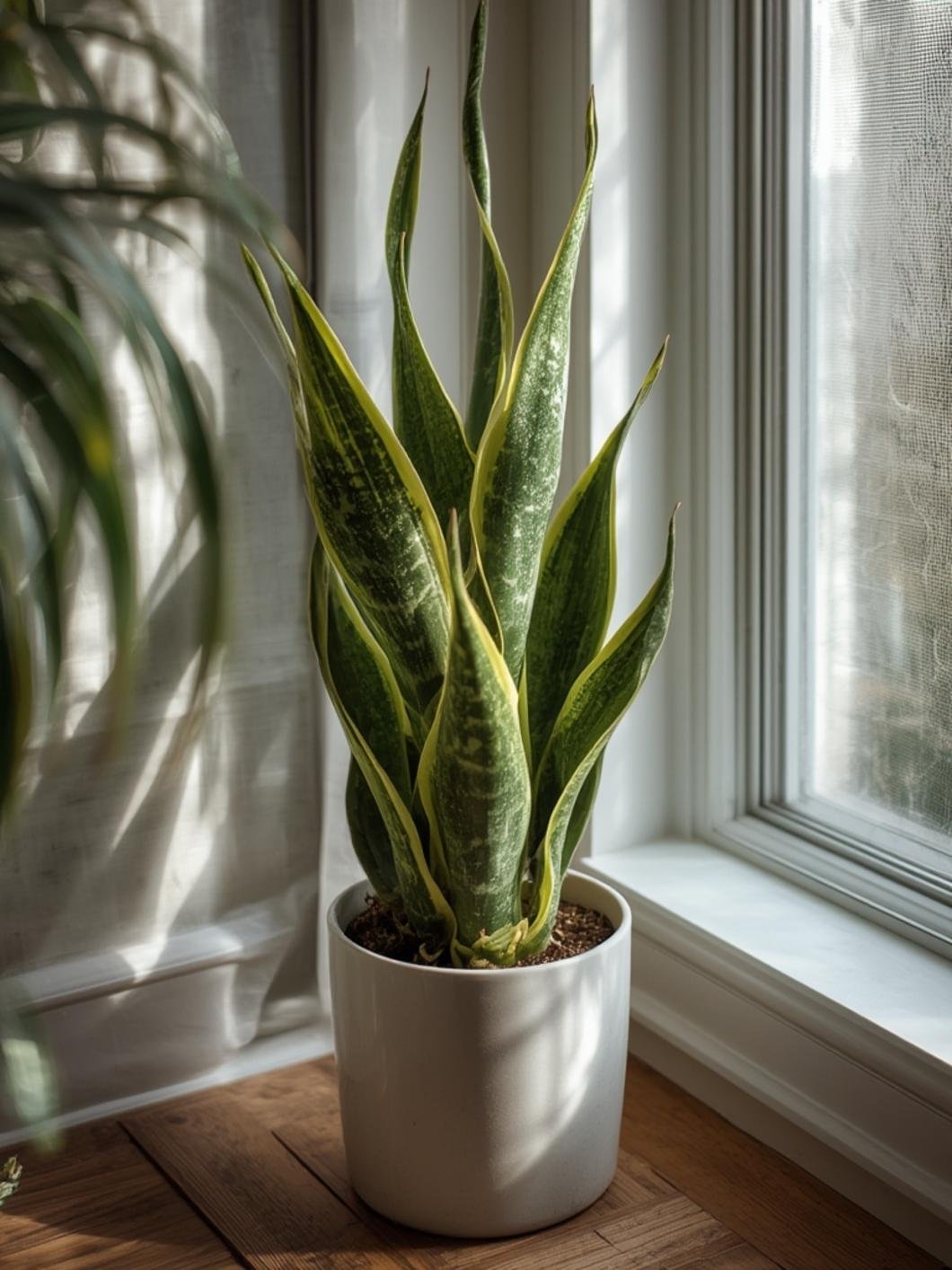
How to Grow and Care for Snake Plant ‘Moonshine’: A Complete Guide
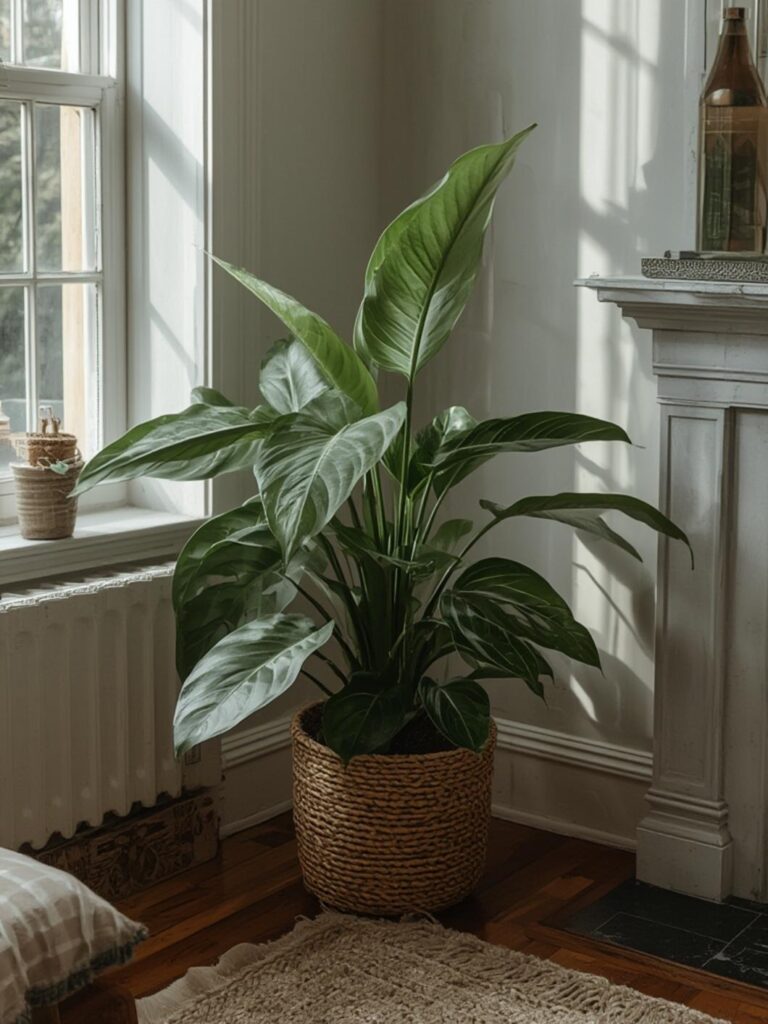
Ever wondered how to add a touch of elegant sophistication to your indoor space with minimal effort? The Snake Plant ‘Moonshine’ might be your perfect answer. With its striking silvery-green leaves and upright growth habit, this stunning variety of Sansevieria has become increasingly popular among plant enthusiasts and interior decorators alike. What makes this plant particularly special is its remarkable resilience and air-purifying qualities, making it an excellent choice for both beginners and experienced plant parents.
Materials & Supplies
To successfully grow and maintain your Snake Plant ‘Moonshine’, you’ll need the following items:
- Well-draining potting mix or cactus soil
- Terracotta or ceramic pot with drainage holes (6-10 inches wide)
- Small pebbles or stones for drainage layer
- Watering can with narrow spout
- Liquid houseplant fertilizer (diluted to half strength)
- Pruning shears or sharp scissors
- Spray bottle for misting (optional)
- Plant support stakes (for taller specimens)
- Neem oil or insecticidal soap (for pest control)
- Garden gloves (optional but recommended)
Timing / Growing Schedule

Snake Plants are evergreen perennials that grow year-round but have different care needs seasonally:
- Spring/Summer: Primary growing season (March to August) – expect 1-3 new leaves every few months
- Fall/Winter: Dormancy period (September to February) – minimal growth, reduced watering
- Propagation Time: Best done in late spring or early summer when actively growing
- Repotting: Every 2-3 years or when rootbound, preferably in spring
- Maturity: Can take 3-5 years to reach full size, growing slower than other Sansevieria varieties
Step-by-Step Instructions
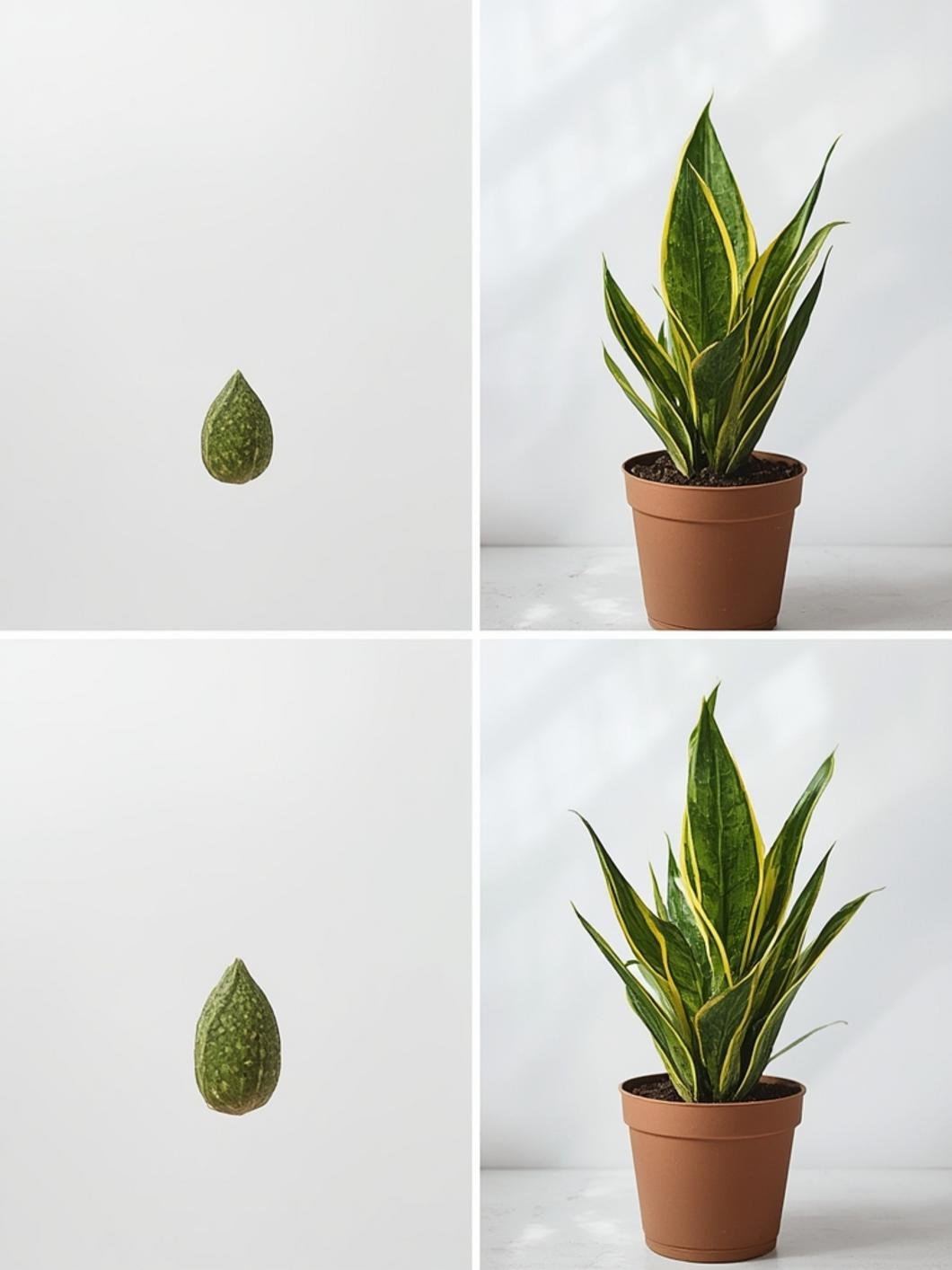
1. Select the right location: Place your Snake Plant ‘Moonshine’ in bright, indirect light, though it can tolerate lower light conditions. Avoid direct sunlight which can scorch the leaves.
2. Prepare your pot: Choose a pot with drainage holes and add a layer of small pebbles at the bottom to improve drainage.
3. Use proper soil: Fill the pot with well-draining cactus or succulent mix. The Sansevieria family despises soggy roots, so soil composition is crucial.
4. Planting technique: Position the plant in the center of the pot, ensuring the crown sits at the same height as in its previous container. Gently pack soil around the roots.
5. Establish a watering routine: Allow the soil to dry completely between waterings. In summer, this might be every 2-3 weeks; in winter, once a month is usually sufficient.
6. Fertilizing schedule: Feed sparingly with diluted houseplant fertilizer once during spring and once in summer. Avoid fertilizing in fall and winter.
7. Cleaning maintenance: Dust leaves occasionally with a damp cloth to keep them looking vibrant and to ensure proper photosynthesis.
Nutritional Benefits / Advantages
Snake Plant ‘Moonshine’ offers several impressive benefits:
- Excellent air purifier, removing toxins like formaldehyde and benzene
- Produces oxygen at night, making it ideal for bedrooms
- Helps regulate indoor humidity levels
- Studies suggest it may reduce stress and improve mental wellbeing
- Low allergenic potential compared to many flowering houseplants
- Proven to filter airborne allergens, improving indoor air quality
Tips, Alternative Methods, or Gardening Advice
- Propagation options: Division of rhizomes or leaf cuttings in water or soil
- Lighting variations: Can thrive under fluorescent office lighting or in bathrooms with minimal natural light
- Container alternatives: Looks striking in hanging planters or as part of modern plant arrangements
- Decorative touches: Add decorative stones or moss on top of the soil for an elevated look
- Small space solution: Perfect for apartments, dorm rooms, or office desks
- Natural air freshener: Place in bathrooms or kitchens to help absorb odors
Common Mistakes to Avoid

1. Overwatering: The number one killer of Snake Plants. Wait until soil is completely dry before watering again. 2. Using regular potting soil: Too water-retentive; always use well-draining cactus or succulent mix. 3. Choosing pots without drainage: Can lead to root rot; always ensure proper drainage. 4. Frequent repotting: Snake Plants prefer being slightly rootbound; only repot every 2-3 years. 5. Placing in direct sunlight: Can scorch the silvery leaves; opt for bright indirect light instead. 6. Over-fertilizing: Leads to salt buildup and can damage roots; less is more with these plants.
Storage / Maintenance Tips
- Cleaning: Wipe leaves with damp cloth monthly to remove dust and pests
- Pruning: Remove damaged leaves at the base using clean, sharp scissors
- Winter care: Reduce watering to once every 4-6 weeks in cooler months
- Temperature requirements: Keep above 50°F (10°C); protect from drafts
- Pest management: Check regularly for mealybugs and spider mites, treating promptly with neem oil
- Leaf support: For taller specimens, provide discreet stakes to prevent toppling
Conclusion
The Snake Plant ‘Moonshine’ is truly the perfect combination of beauty and practicality for indoor gardening. Its striking appearance, air-purifying qualities, and forgiving nature make it an excellent choice for plant enthusiasts of all experience levels. By following these care instructions, you’ll be rewarded with a stunning, low-maintenance addition to your home that can thrive for decades. Why not start your Sansevieria collection today? We’d love to hear about your experiences growing this remarkable plant—share your stories in the comments below!
FAQs
How often should I water my Snake Plant ‘Moonshine’? Allow the soil to dry completely between waterings. This typically means every 2-3 weeks in summer and once a month in winter, but always check the soil moisture first.
Can Snake Plant ‘Moonshine’ survive in low light? Yes, it’s quite adaptable to low light conditions, although growth will be slower. The silvery coloration may also be less pronounced in lower light.
Is Snake Plant ‘Moonshine’ toxic to pets? Unfortunately, yes. All Sansevieria varieties contain saponins that can cause gastrointestinal issues if ingested by cats or dogs, so place them out of reach of curious pets.
Why are my Snake Plant’s leaves getting pale or yellowing? Yellowing leaves typically indicate overwatering. Reduce watering frequency and ensure your pot has proper drainage. If only lower leaves yellow naturally, this is normal aging.
How do I propagate my Snake Plant ‘Moonshine’? The easiest method is division during repotting. Alternatively, cut healthy leaves into 3-4 inch sections and plant them cut-side down in well-draining soil. Be patient, as this variety propagates more slowly than other Sansevierias.